


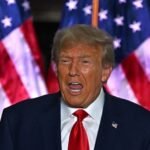

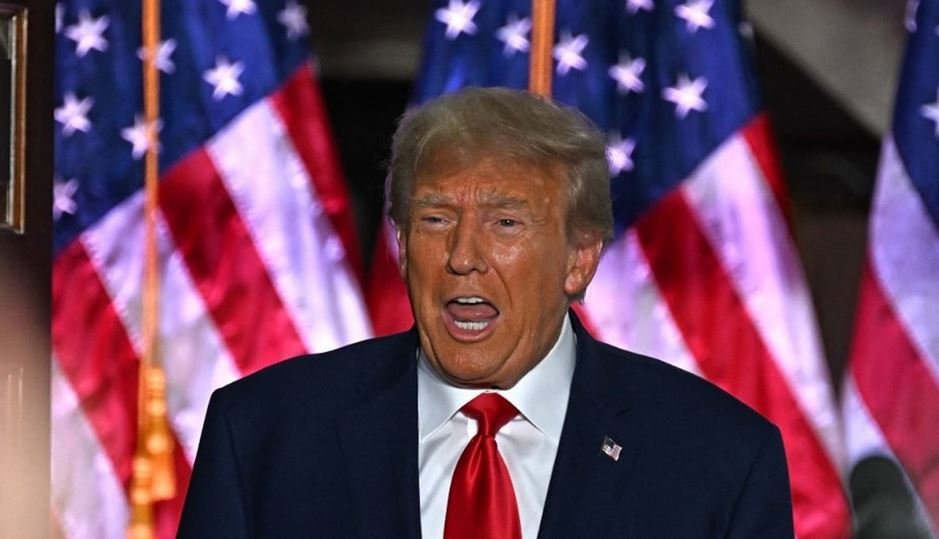
US President Donald Trump has doubled down on his administration’s hardline stance against Iran, declaring that Washington will not lift its naval blockade in the Strait of Hormuz despite mounting global concern and renewed diplomatic pressure.
In a series of remarks following stalled negotiations, Trump claimed that Iran is “choking like a stuffed pig” under the economic strain of the blockade—language that underscores the increasingly combative tone of the ongoing crisis.
Blockade to Continue Despite Talks
The United States has made it clear that the blockade will remain in place until Iran agrees to a new deal addressing its nuclear programme. Trump rejected a proposal from Tehran that suggested reopening the Strait of Hormuz as a first step toward broader negotiations.
Officials say the blockade is aimed at crippling Iran’s oil exports, a key source of revenue for the country. Trump has argued that the measure is even more effective than direct military strikes in forcing Tehran to negotiate.
The standoff comes after talks—reportedly held in Pakistan—failed to produce a breakthrough, deepening a conflict that has already lasted over two months.
Shipping Disruptions and Global Impact
The crisis has severely disrupted maritime traffic through the Strait of Hormuz, one of the world’s most critical oil chokepoints. Recent data shows that ship movements have dropped dramatically—from over 100 vessels daily before the conflict to just a handful.
Energy markets have reacted sharply. Oil prices have surged amid fears of prolonged supply disruptions, with analysts warning of continued volatility if the deadlock persists.
Iran Warns of “Unprecedented Action”
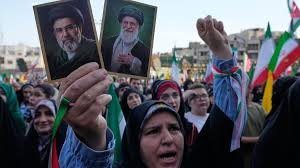
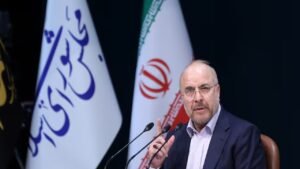
Iran has responded strongly to Washington’s stance, warning that continued pressure could trigger “unprecedented action.”
Tehran has also floated the idea of imposing tolls on ships passing through the strait, a move that could further escalate tensions and invite additional sanctions from the US.
Background to the Crisis
The current confrontation traces back to the escalation of hostilities earlier in 2026, when US-led strikes targeted Iranian military and nuclear infrastructure. Iran retaliated by restricting access to the Strait of Hormuz, prompting Washington to impose a naval blockade on vessels linked to Iranian ports.
Since then, both sides have engaged in a mix of military posturing and intermittent diplomacy, but with little sign of a lasting resolution.
Uncertain Road Ahead
Despite the tough rhetoric, Trump has indicated that communication channels with Iran remain open. However, his insistence on maintaining maximum pressure suggests that a compromise may still be distant.
With global energy markets on edge and regional tensions rising, the situation in the Strait of Hormuz remains one of the most volatile geopolitical flashpoints in the world today.