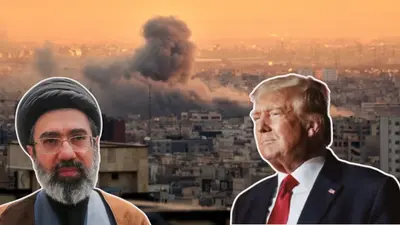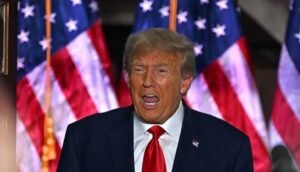





U.S. President Donald Trump has reportedly instructed his top aides to prepare for a prolonged blockade of Iran, signaling a major escalation in Washington’s pressure campaign against Tehran amid an already fragile geopolitical situation.
According to a report citing senior U.S. officials, the proposed move is aimed at tightening restrictions on Iran’s maritime trade, particularly targeting its crucial oil exports. By limiting shipping access to and from Iranian ports, the administration hopes to further strain the country’s economy and push it toward concessions on its nuclear program.
A Strategy of Pressure Without Full-Scale War
The blockade appears to be part of a broader strategy by the Trump administration to maintain pressure on Iran without immediately resorting to direct military conflict. Officials familiar with the plan say the goal is to weaken Tehran’s financial resources while keeping diplomatic options open—though talks between the two sides remain stalled.
Recent developments suggest that Washington is attempting to strike a balance: avoiding a return to large-scale military action while also rejecting proposals from Iran that it considers insufficient.
The approach reflects a continuation of the administration’s “maximum pressure” doctrine, combining economic sanctions, naval restrictions, and diplomatic isolation.
Impact on Global Energy Markets
The possibility of an extended blockade is already sending ripples through global markets. Oil prices have surged in recent days, driven by fears that disruptions in the Persian Gulf could tighten supply.
The Strait of Hormuz—one of the world’s most critical energy chokepoints—has been at the center of tensions. Roughly 20% of global oil flows through the narrow waterway, making any disruption there a major concern for energy-importing nations.
Analysts warn that a prolonged blockade could lead to sustained volatility in oil prices, adding pressure on global economies already dealing with inflation and supply chain challenges.
Rising Tensions Despite Ceasefire
The move comes even as a fragile ceasefire between the U.S. and Iran remains in place. While active hostilities have paused, both sides continue to engage in strategic maneuvers, including naval deployments and economic restrictions.
Iran has reportedly pushed for easing sanctions and reopening key shipping routes, but Washington has so far rejected those proposals, insisting on stricter conditions—particularly regarding Iran’s nuclear activities.
At the same time, experts note that the ongoing standoff resembles a “cold war” scenario, with both sides avoiding direct confrontation while applying sustained pressure through economic and military means.
Questions Over Effectiveness
Despite the tough stance, there are growing questions about how effective the blockade strategy will be. Reports suggest that Iran has managed to bypass some restrictions through alternative routes and covert shipments, continuing to generate revenue from oil exports.
Critics argue that while the blockade is inflicting economic pain, it has yet to produce a clear diplomatic breakthrough. Some analysts believe Tehran may be more resilient than anticipated, capable of enduring prolonged pressure without yielding to U.S. demands.
What Comes Next
With negotiations at a standstill and tensions simmering, the decision to prepare for an extended blockade signals that the U.S. is bracing for a long-term standoff.
For now, the world watches closely as the situation unfolds—aware that any escalation in the Gulf could have far-reaching consequences, not just for the region but for global energy security and economic stability