



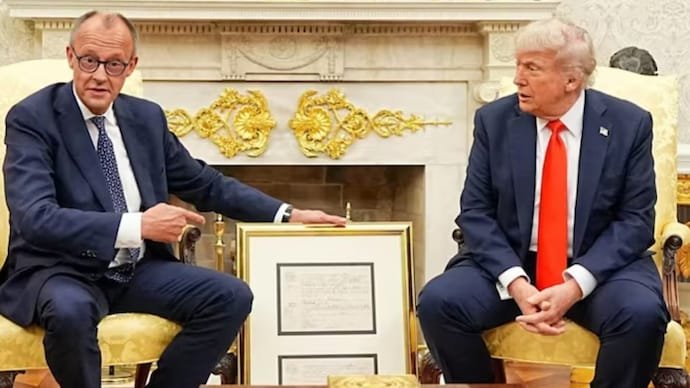
A sharp public exchange between U.S. President Donald Trump and German Chancellor Friedrich Merz has exposed growing tensions among Western allies over how to handle the escalating Iran conflict and the broader question of nuclear risk.
The dispute began after Merz openly criticized Washington’s strategy, saying Iran’s leadership appeared to be outmaneuvering the United States diplomatically. He described the situation as one in which the U.S. was being “humiliated,” pointing to stalled negotiations and a lack of clear progress in resolving the crisis.
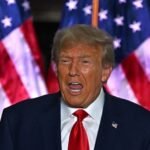
Trump responded forcefully on social media, accusing the German leader of misunderstanding the threat posed by Tehran. In a strongly worded post, he claimed Merz “thinks it’s OK for Iran to have a nuclear weapon” and added that the chancellor “doesn’t know what he’s talking about.”
The U.S. president warned that a nuclear-armed Iran would endanger global security, saying it could leave “the whole world… hostage.” His remarks framed the issue as a stark security challenge, reinforcing his administration’s hardline stance against Tehran’s nuclear ambitions.
However, Trump’s claim about Merz’s position appears to misrepresent the German government’s stance. German officials have consistently maintained that Iran must not be allowed to acquire nuclear weapons, even while criticizing aspects of U.S. strategy in the region.
The verbal clash highlights a widening divide between Washington and key European allies. While both sides broadly agree that Iran should not obtain nuclear weapons, they differ sharply on tactics. Germany has expressed concern over the effectiveness of U.S. pressure and the lack of a clear diplomatic exit strategy, while the Trump administration has doubled down on economic and military pressure.
The disagreement comes at a time of heightened instability in the Middle East. Negotiations between the U.S. and Iran have stalled, with both sides at odds over sequencing—Washington insisting on addressing nuclear issues first, while Tehran has pushed for sanctions relief and reopening key trade routes before further talks.
Analysts say the public nature of the dispute is significant, as it underscores growing friction within the Western alliance at a critical moment. The Iran conflict has already strained global energy markets and raised fears of broader regional escalation, making unity among allies more important than ever.
For now, the exchange between Trump and Merz appears unlikely to de-escalate tensions. Instead, it reflects deeper disagreements about how best to confront Iran—differences that could shape the next phase of the crisis and the future of transatlantic relations