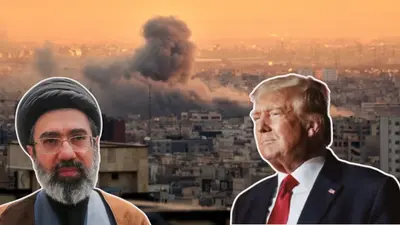





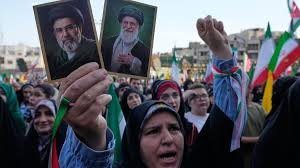

Pakistan is grappling with a sharp economic setback as the ongoing conflict between the United States and Iran sends shockwaves through global energy markets, dramatically increasing the country’s import costs.
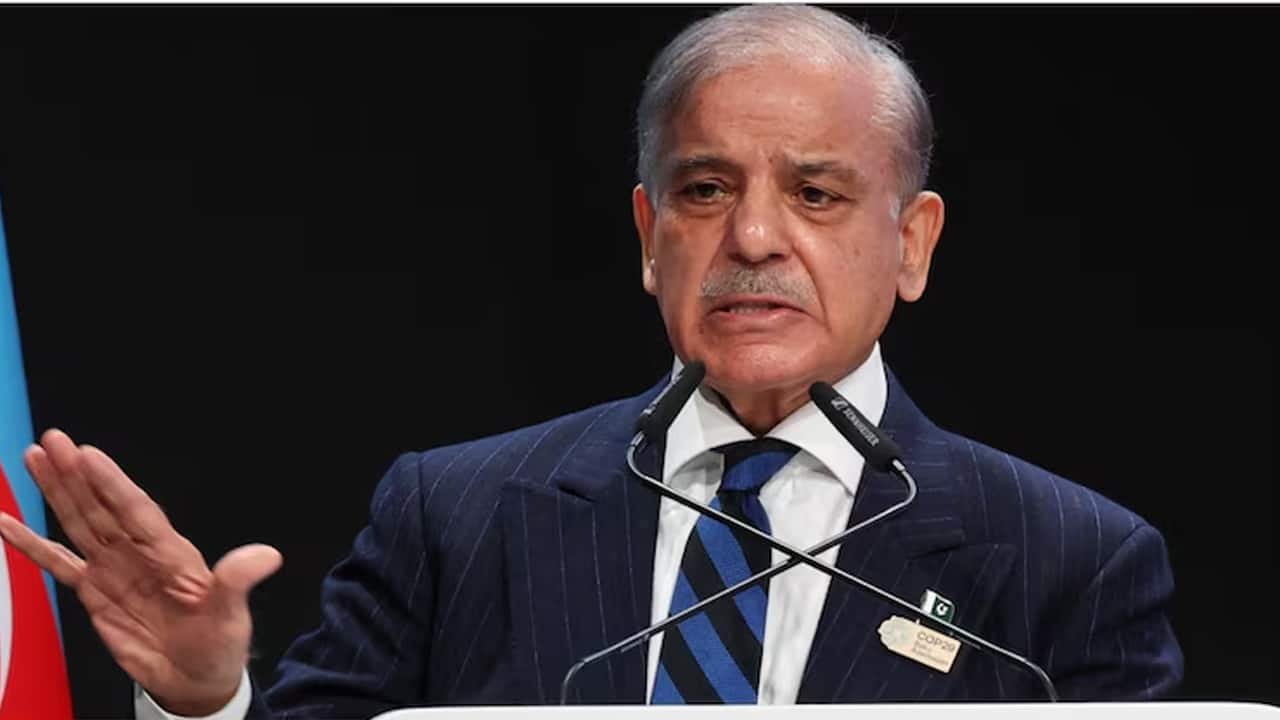
Prime Minister Shehbaz Sharif has revealed that Pakistan’s oil import bill has surged to nearly $800 million per week, a steep rise from about $300 million before the conflict began. The spike, he said, is placing immense pressure on the country’s fragile economic recovery.
Addressing a federal cabinet meeting, Sharif warned that the war has effectively reversed much of the economic progress Pakistan had achieved over the past two years. “The situation has dealt a serious blow to our growth trajectory,” he noted, highlighting the broader ripple effects of rising global fuel prices.
Energy Crisis Deepens
The surge in Pakistan’s import bill is closely tied to disruptions in global oil supply chains. The conflict in the Middle East has led to volatility in crude prices, compounded by shipping disruptions in key routes such as the Strait of Hormuz — a critical artery for global energy trade.
Pakistan, which relies heavily on imported fuel to meet its energy needs, has been particularly vulnerable. With oil prices climbing, the government now faces tough choices, including adjusting domestic fuel prices and managing dwindling foreign exchange reserves.
Officials have also observed a decline in petroleum consumption in recent weeks, suggesting that higher prices and conservation measures are beginning to impact demand.
Government Response and Concerns
Sharif said a dedicated task force is monitoring the situation on a daily basis, as authorities attempt to cushion the economic impact. He stressed that collective national efforts would be required to navigate the crisis.
Despite the mounting financial strain, Pakistan has continued to position itself as a diplomatic player in the region. The prime minister reiterated Islamabad’s commitment to helping de-escalate tensions between Washington and Tehran and promote stability in West Asia.
Broader Regional Impact
The economic fallout reflects a wider trend, as the US–Iran conflict continues to disrupt global markets and raise concerns about long-term energy security. Analysts warn that countries like Pakistan — already dealing with inflation and external debt — are especially exposed to such external shocks.
For now, Islamabad faces a delicate balancing act: stabilizing its economy at home while advocating for peace abroad. As the conflict shows little sign of easing, the pressure on Pakistan’s finances — and its policymakers — is likely to intensify in the coming weeks.