

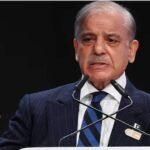

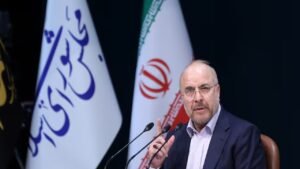
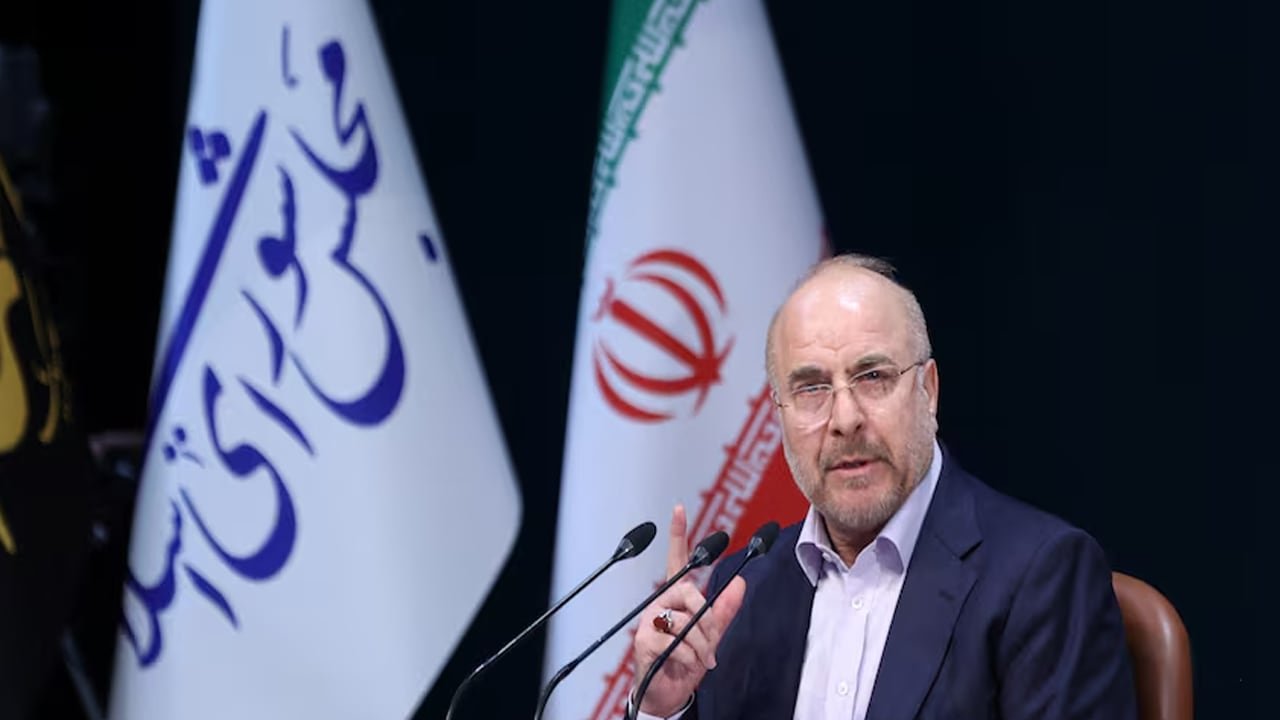
Iran’s Parliament Speaker Mohammad Bagher Ghalibaf has openly mocked the United States’ naval blockade on Iranian oil exports, dismissing Washington’s warnings of imminent damage to the country’s energy infrastructure and accusing U.S. policymakers of fueling global price instability.
In a pointed message posted on social media, Ghalibaf ridiculed earlier claims—linked to U.S. officials and analysts—that Iran’s oil facilities could suffer catastrophic failures due to pressure from halted exports. “No oil well has exploded,” he said, underscoring that the blockade has not produced the immediate physical consequences predicted by Washington.
The remarks come amid escalating tensions in the Persian Gulf, where the U.S. has imposed a sweeping naval blockade targeting ships entering and leaving Iranian ports. The move, launched earlier this month following failed diplomatic efforts, is aimed at cutting off Tehran’s oil revenues and forcing concessions on its nuclear programme.
Defiance amid economic pressure
While acknowledging the economic strain caused by restricted exports, Ghalibaf framed the blockade as a strategic miscalculation by Washington. He argued that rather than crippling Iran alone, the policy is contributing to surging global oil prices—already hovering around $120 per barrel—with the potential to climb even higher.
Iranian officials have increasingly warned that continued pressure could push crude prices toward $140 per barrel, blaming what they describe as flawed U.S. economic strategy.
Energy markets have already reacted sharply. Recent reports indicate that crude prices have jumped significantly amid fears of prolonged disruption to supplies from the region, which accounts for a major share of global oil trade.
A high-stakes standoff
The blockade, enforced by U.S. naval forces across key shipping routes, effectively traps Iranian oil within the country. Analysts say this leaves Tehran with difficult choices: either cut production—risking long-term damage to oil fields—or continue pumping and face storage constraints.
Despite these pressures, Iranian leaders have adopted a defiant tone. Ghalibaf’s remarks reflect a broader narrative from Tehran that the country can withstand economic coercion and that Washington’s strategy may ultimately backfire.
The standoff also carries significant geopolitical risks. The Strait of Hormuz, a vital artery for global energy shipments, remains at the center of the confrontation, with both sides warning of further escalation if tensions continue.
Global implications
With oil prices already rising and diplomatic talks stalled, the situation is increasingly seen as a test of endurance between the two nations. While the U.S. insists the blockade will remain in place until Iran agrees to new terms on its nuclear programme, Tehran appears determined to resist, both economically and politically.
For now, Ghalibaf’s message signals that Iran is not ready to concede—and is instead using the moment to challenge the credibility and effectiveness of U.S. pressure on the world stage.