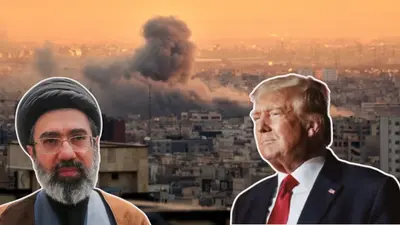






In a strong and controversial statement, US Secretary of War Pete Hegseth has declared that Iran “begged” for a ceasefire, framing the recent pause in hostilities as a decisive American victory after weeks of intense fighting.
The remarks came following a temporary ceasefire agreement between the United States and Iran, bringing a halt—at least for now—to a conflict that has gripped the Middle East and raised fears of a wider regional war.
A War Framed as a “Decisive Victory”
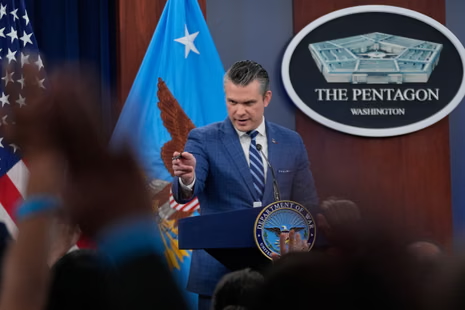
Speaking at a Pentagon briefing, Hegseth described the US-led military campaign, known as “Operation Epic Fury,” as a major success. According to him, the operation significantly weakened Iran’s military capabilities, leaving its forces “combat-ineffective” and unable to sustain prolonged resistance.
He claimed that the scale of destruction forced Iran to seek a pause in fighting. “Iran begged for this ceasefire,” Hegseth said, portraying the development as a turning point that demonstrated US military dominance.
US officials reported that key Iranian military assets—including air defenses, naval systems, and weapons production facilities—were heavily damaged during the campaign.
Ceasefire After Weeks of Escalation
The ceasefire follows more than a month of escalating conflict between the two nations. The fighting reportedly involved widespread airstrikes, missile exchanges, and attacks on strategic infrastructure across the region.
The agreement, described as a temporary pause lasting around two weeks, is intended to create space for diplomatic negotiations. It was reportedly facilitated through last-minute international mediation, with talks expected to focus on critical issues such as Iran’s nuclear program and regional security concerns.
Despite the pause, tensions remain high. US military leaders have emphasized that forces are prepared to resume combat operations if negotiations fail.
Contrasting Narratives
While Washington has portrayed the ceasefire as a clear victory, Iran has pushed back strongly against that narrative. Iranian officials have claimed that they achieved their own strategic objectives and have framed the outcome as a success for Tehran.
This divergence highlights the fragile nature of the agreement. Even as both sides step back from immediate confrontation, disagreements over key issues—such as uranium enrichment and regional influence—remain unresolved.
A Fragile Pause, Not a Final Peace
Senior US military officials have cautioned against viewing the ceasefire as the end of the conflict. General Dan Caine, Chairman of the Joint Chiefs of Staff, described the truce as a “pause” rather than a permanent resolution, warning that risks of renewed fighting remain.
The war has already taken a heavy toll, with thousands of casualties reported across the region and significant damage to infrastructure.
For now, the ceasefire offers a brief window for diplomacy—but whether it leads to lasting peace or simply delays another round of conflict remains uncertain.