





US Clarifies Iran Ceasefire Terms, Says Lebanon Was Never Included
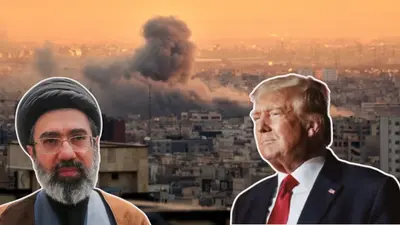
Tensions in the Middle East remain high after the United States clarified that its recent ceasefire agreement with Iran does not extend to Lebanon—contrary to what Tehran appears to have believed.
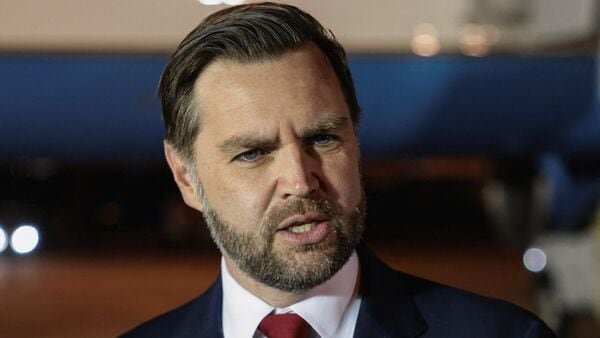
Speaking during a visit to Budapest, US Vice President JD Vance said Iran had “misunderstood” the scope of the deal, describing the confusion as a “legitimate misunderstanding” rather than a deliberate misrepresentation.
A Miscommunication with Serious Consequences
The ceasefire, announced earlier this week, was intended to pause hostilities between the United States, its allies, and Iran. However, according to Vance, it was never meant to apply to ongoing conflict zones involving Iran-backed groups—particularly in Lebanon.
“Iran seems to have interpreted the agreement differently,” Vance indicated, stressing that Washington had made no commitments regarding Lebanon.
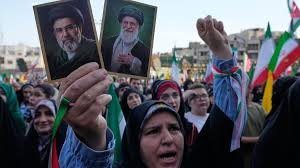
The misunderstanding has quickly turned into a diplomatic flashpoint. Iranian officials, along with some mediators, had suggested the ceasefire covered all fronts, including Lebanon. But US and Israeli leaders have consistently rejected that interpretation.
Fighting Continues in Lebanon
While the ceasefire has reduced direct confrontation between the US and Iran, violence in Lebanon has not subsided. Israeli forces have continued targeting positions linked to Hezbollah, the Iran-backed militant group operating in the region.
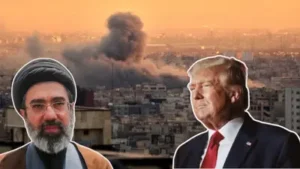
Recent airstrikes have caused heavy casualties and widespread destruction, underlining how limited the ceasefire’s reach actually is.
Israel has maintained that its operations in Lebanon are separate from the US-Iran agreement. Officials argue that the campaign against Hezbollah is a necessary security measure and not bound by the ceasefire terms.
Fragile Peace, Uncertain Future
Despite the confusion, US officials insist the ceasefire itself is still holding—for now. However, Vance warned that the situation remains “fragile,” with the risk of escalation still very real.
The disagreement over Lebanon’s status has added strain to already delicate negotiations, with fresh talks expected to take place in the coming days. Analysts say that unless both sides align on the terms, the ceasefire could quickly unravel.
Meanwhile, regional leaders and international observers are calling for a broader agreement that includes Lebanon, arguing that a partial ceasefire may not be enough to bring lasting stability.
A Region on Edge
The latest developments highlight how even small gaps in diplomatic understanding can have major consequences in conflict zones. As military actions continue in Lebanon and negotiations move forward, the situation remains volatile.
For now, the ceasefire offers only limited relief—leaving one of the region’s most active battlegrounds outside its scope.