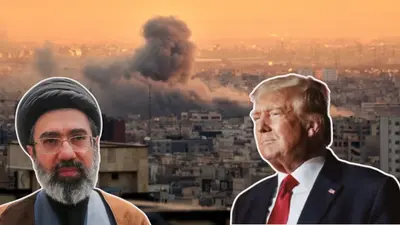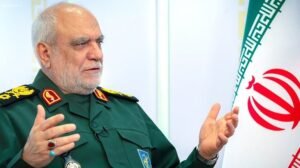






In a significant diplomatic development, Iran has confirmed that negotiations with the United States will take place in Islamabad on April 10, as both sides move to finalise key details aimed at easing tensions after weeks of conflict.
The announcement comes amid a fragile ceasefire that has temporarily halted hostilities in a war that has shaken the Middle East and disrupted global energy supplies.
A Step Toward De-escalation
Iran signalled a willingness to reduce tensions by offering conditional access to the strategically vital Strait of Hormuz — one of the world’s most important oil transit routes. Tehran stated it would halt its military operations if attacks against it also cease.
The proposed arrangement includes allowing safe passage through the strait for a limited two-week period, a move seen as a confidence-building measure ahead of the talks.
This development aligns with a broader ceasefire agreement reached earlier this week, marking the first meaningful pause in a conflict that has lasted over a month and caused widespread instability.
Islamabad Emerges as Diplomatic Hub
Pakistan has positioned itself at the centre of mediation efforts, hosting the upcoming talks and facilitating communication between Tehran and Washington. The negotiations are expected to focus on finalising a framework for peace, including issues such as sanctions relief, regional security, and military de-escalation.
The initiative is part of a broader proposal — often referred to as the “Islamabad Accord” — which outlines a phased ceasefire followed by structured negotiations to end the conflict.
Pakistani leadership has played a key role in persuading both sides to step back from escalation, helping secure the current two-week ceasefire window to enable dialogue.
Key Issues on the Table
Iran’s proposal reportedly includes a 10-point plan addressing several contentious issues, including:
- Reopening and control of the Strait of Hormuz
- Lifting of US-imposed sanctions
- Withdrawal of US forces from regional bases
- Broader security guarantees in the region
While the United States has not publicly endorsed all aspects of the plan, the upcoming talks are expected to address these demands in detail.
Fragile Peace Amid Ongoing Risks
Despite the diplomatic momentum, the situation remains volatile. Missile alerts and regional tensions continue to underscore the fragility of the ceasefire.
Recent developments, including strikes in the wider region and political pressure on both sides, could still derail negotiations if not carefully managed.
However, the planned meeting in Islamabad represents a rare opportunity for direct engagement between the two adversaries, raising cautious optimism for a longer-term resolution.
Looking Ahead
As delegations prepare to meet in Pakistan, the stakes remain high. Success in Islamabad could pave the way for a comprehensive peace agreement, while failure risks plunging the region back into intensified conflict.
For now, the world watches closely as diplomacy takes centre stage in one of the most consequential geopolitical crises of the year.