






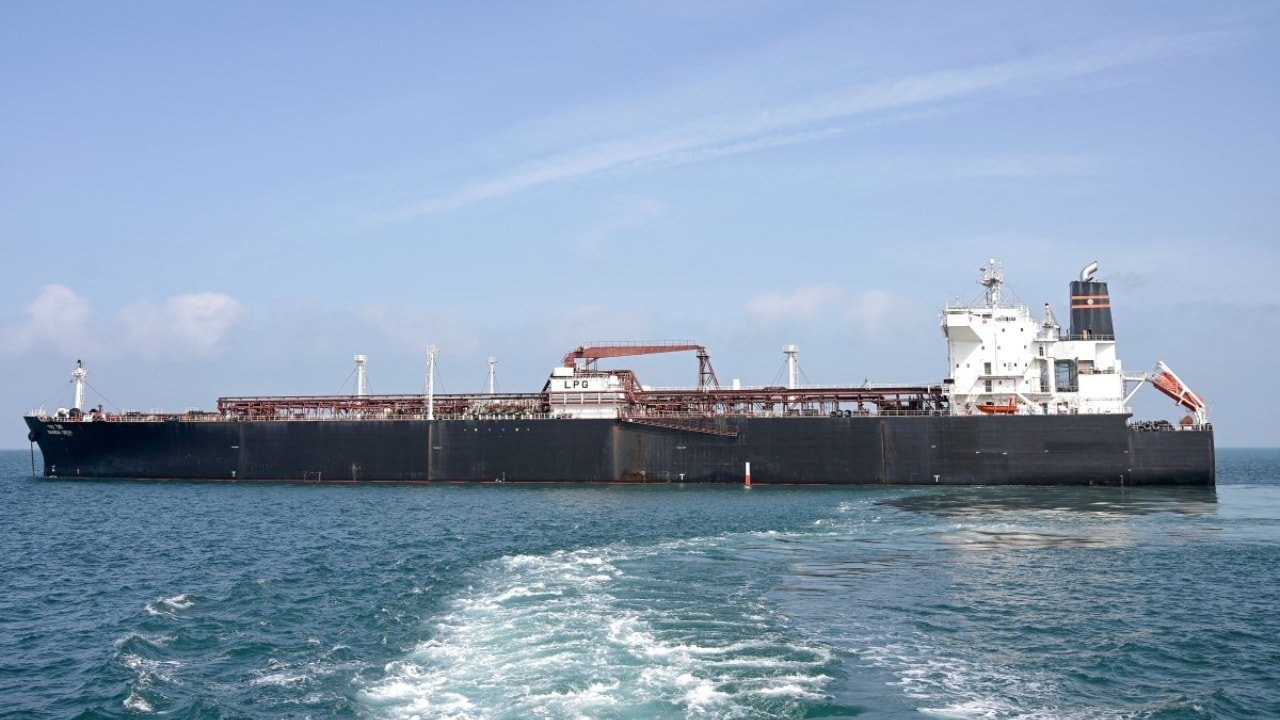
Shipping activity through the strategically vital Strait of Hormuz is showing early signs of recovery, with vessel traffic climbing to its highest level in weeks. The uptick comes as several countries—including India—negotiate arrangements with Iran to allow safe passage for ships stranded amid ongoing regional tensions.
According to recent shipping data, at least 21 vessels successfully transited the narrow waterway over the weekend, marking the busiest two-day period since early March. While still far below normal levels, the increase offers a glimpse of cautious movement in a corridor that has been largely disrupted by conflict.
A Slow Return After Weeks of Disruption
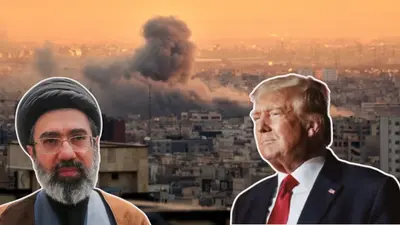
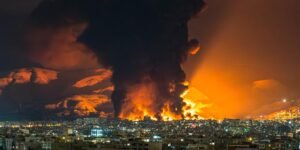
The Strait of Hormuz, a narrow maritime passage connecting the Persian Gulf to global markets, is one of the world’s most critical energy chokepoints, handling a significant share of global oil and gas shipments. However, traffic through the route collapsed following escalating tensions in late February, when military strikes triggered a broader regional conflict.
In the weeks that followed, ship movements dropped dramatically, with only a handful of vessels managing to pass through under tight restrictions. Many ships remained stranded, while others avoided the route altogether due to safety concerns and rising insurance costs.
Now, the situation appears to be shifting—albeit slowly.
Diplomacy Drives Limited Access
The recent increase in traffic is largely being attributed to behind-the-scenes negotiations between governments and Tehran. Countries dependent on Gulf energy supplies have been working to secure exemptions or agreements that allow their vessels to pass.
India, for instance, has successfully negotiated the passage of several liquefied petroleum gas (LPG) tankers. In fact, eight Indian LPG vessels have already crossed the strait, with one recently docking in Gujarat after receiving clearance.
Other nations, including China and Japan, have also managed to get some ships through, often after multiple attempts or diplomatic engagement. These developments highlight how access to the waterway is increasingly being determined on a case-by-case basis.
Iran Tightens Its Grip
Despite the slight increase in traffic, Iran continues to exert strong control over the strait. Iranian-linked vessels still dominate the limited movement, and Tehran has reportedly introduced strict conditions for transit, including routing requirements and financial charges.
Analysts say these measures have effectively turned the strait into a controlled passage, where entry depends on political alignment and negotiation rather than open maritime access.
“Iran’s strategy is not just about restriction—it’s about leverage,” noted one shipping expert. By allowing selective movement, Tehran maintains pressure while avoiding a complete shutdown that could escalate tensions further.
Still a Fraction of Normal Activity
Even with the recent rise, current traffic levels remain a fraction of pre-conflict norms. Before the crisis, around 130–135 ships would pass through the strait daily. Today’s figures—though improving—are still far below that benchmark.
The modest recovery reflects both ongoing security risks and the complexity of negotiating safe passage. Many shipping companies remain cautious, weighing the potential rewards against the risks of operating in a volatile conflict zone.
Global Impact Remains Significant
The disruption in Hormuz has had far-reaching consequences for global energy markets. Reduced shipments have contributed to rising oil prices, supply uncertainties, and increased transportation costs worldwide.
Countries heavily reliant on imported energy—particularly in Asia—have felt the pressure most acutely. Governments have been forced to explore alternative supply routes, tap into reserves, or negotiate directly with regional powers to secure shipments.
Uncertain Road Ahead
While the recent increase in vessel traffic offers a glimmer of hope, the situation remains fragile. The broader geopolitical conflict shows no clear signs of resolution, and access to the strait continues to depend heavily on diplomatic developments.
For now, the gradual return of ships suggests that limited cooperation is possible—even in a tense environment. But until a more stable arrangement is reached, the Strait of Hormuz will likely remain a bottleneck for global trade and a focal point of geopolitical tension.