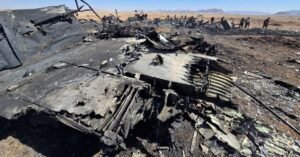










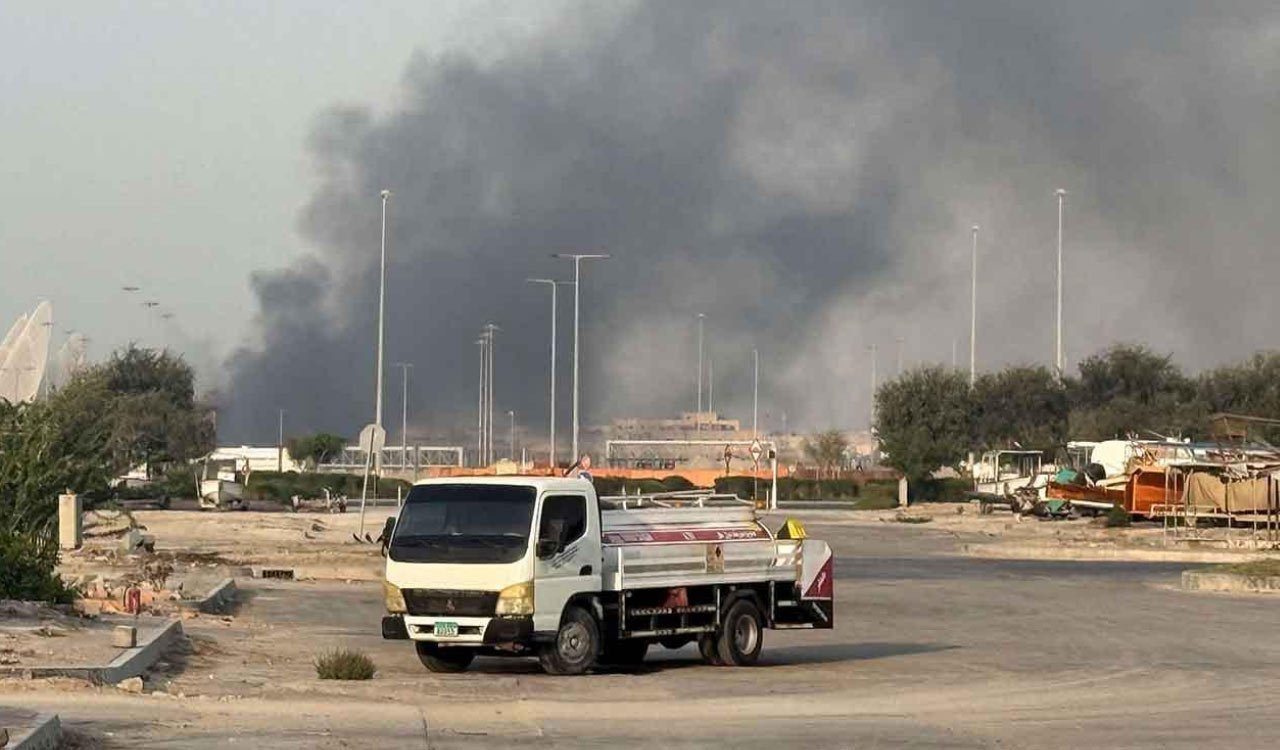
Abu Dhabi, April 3, 2026: At least 12 people, including five Indian nationals, were injured in Abu Dhabi after debris from intercepted Iranian missiles fell in a populated area, underscoring the growing risks to civilians amid escalating tensions in the Middle East.
According to officials from the Abu Dhabi Media Office, the incident occurred after the United Arab Emirates’ air defence systems successfully intercepted incoming missiles and drones launched from Iran. While the interceptions prevented direct strikes, fragments of the destroyed projectiles rained down on the ground, causing injuries and damage.
Injuries and casualties
Authorities confirmed that the 12 injured individuals included five Indian nationals and several foreign workers, primarily from Nepal. Most of the victims sustained minor to moderate injuries, though at least one person was reported to be seriously hurt.
The debris reportedly fell in the Ajban area of Abu Dhabi, a region that includes residential and industrial zones. Emergency services responded quickly, providing medical aid and transporting the injured to nearby hospitals.
How the incident unfolded
The injuries were not caused by a direct missile strike but by falling debris following a “successful interception” by UAE defence systems. Officials said the country’s air defences engaged multiple aerial threats, including ballistic missiles, cruise missiles, and drones, as part of ongoing hostilities in the region.
Such incidents highlight a growing concern: even when missile attacks are intercepted, the resulting debris can still pose significant danger to civilians on the ground.
Part of a wider regional conflict
The latest incident comes amid a broader conflict involving Iran and its regional adversaries. Since late February 2026, Iran has launched repeated missile and drone attacks targeting strategic locations in the Gulf, including the UAE.
Although many of these attacks have been intercepted, falling debris has frequently caused casualties, fires, and property damage in urban areas such as Abu Dhabi and Dubai.
Concerns for Indian nationals
The presence of five injured Indian citizens has raised concerns in India, given the large expatriate population in the Gulf region. Millions of Indians live and work across West Asia, making them vulnerable to the spillover effects of regional conflicts.
While there has been no immediate official statement from Indian authorities on this specific incident, previous developments have prompted India to closely monitor the safety of its citizens in the region.
A recurring danger
This is not the first time falling debris from intercepted missiles has caused harm in the UAE. Similar incidents in recent weeks have led to injuries, fires, and even fatalities, illustrating the unpredictable risks of modern aerial warfare—even when defence systems function as intended.
Conclusion
Friday’s incident serves as a stark reminder that in conflict zones, danger does not end with interception. As tensions continue to rise across the Middle East, the safety of civilians—including foreign workers—remains a growing concern, with even defensive actions carrying unintended consequences.