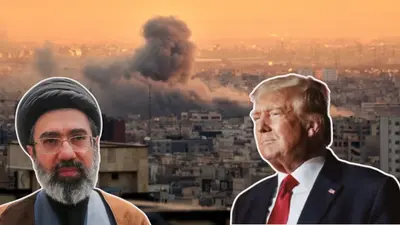



Pakistan has sharply increased petrol and diesel prices in response to the ongoing US-Iran war, a move that underscores the far-reaching economic impact of the conflict on energy-dependent nations.
According to government announcements, petrol prices have risen by around 42–43%, while diesel prices have surged by nearly 55%. The revised rates place petrol at approximately PKR 458 per litre and diesel at over PKR 520 per litre—among the steepest increases in the country’s history.
Global Conflict Drives Local Crisis
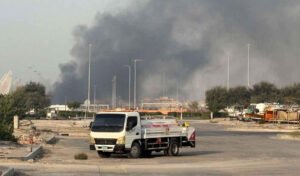
The dramatic price hike is directly linked to disruptions in global oil supply caused by escalating tensions in the Middle East. The conflict has significantly affected shipping routes, particularly the Strait of Hormuz—a critical corridor through which a large share of the world’s oil passes. As supply tightens, international crude oil prices have surged, forcing import-dependent countries like Pakistan to pass on the increased costs to consumers.
Pakistan relies heavily on imported oil—nearly 90% of its supply comes from the Gulf region—making it especially vulnerable to such geopolitical shocks.
Government Defends Decision
Pakistani officials have described the price hike as unavoidable, citing the sharp rise in global oil prices and limited fiscal space. Authorities indicated that continuing fuel subsidies at previous levels was no longer sustainable given the economic strain.
This marks the second major increase in fuel prices within a month, reflecting how rapidly the global energy situation has deteriorated.
Public Impact and Inflation Fears
The surge in fuel prices is expected to have a cascading effect across the economy. Higher transportation costs are likely to push up the prices of essential goods, including food and daily necessities, worsening inflation in a country already facing economic challenges.
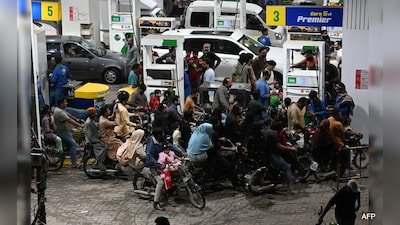
Reports indicate growing public concern, with long queues at fuel stations and reduced travel as citizens attempt to cope with rising costs. Economists warn that low- and middle-income households will bear the brunt of the crisis.
Relief Measures and Policy Response
In response to public backlash, the government has announced targeted relief efforts, including subsidies for certain transport sectors and vulnerable groups. In some regions, temporary measures such as free public transport have also been introduced to ease the burden on citizens.
Additionally, authorities have hinted at possible adjustments to fuel pricing in the future, depending on global market trends and diplomatic developments in the region.
A Broader Energy Crisis
Pakistan’s situation reflects a wider global trend, as the US-Iran conflict continues to disrupt energy markets worldwide. Analysts warn that prolonged instability could lead to sustained high oil prices, increased inflation, and economic slowdowns across many countries.
For Pakistan, the immediate challenge remains balancing economic stability with public relief, as the ripple effects of a distant war continue to hit close to home.