

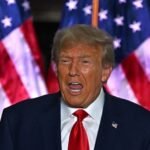


U.S. President Donald Trump has signaled that the ongoing conflict with Iran may soon come to an end, using a high-profile address to Gulf investors to shift focus from war to economic opportunity.
Speaking at a major investment gathering in the Gulf region, Trump struck an optimistic tone, declaring that the war “could be ending soon” while simultaneously pitching the United States as a prime destination for global capital. His message was clear: after weeks of escalating tensions and economic uncertainty, Washington is ready to move from conflict to commerce.
From War Rhetoric to Economic Pitch
Trump told investors that the United States is now “open for business,” emphasizing what he described as massive upcoming economic opportunities. He promised what he called the “biggest deals ever,” encouraging Gulf nations and sovereign wealth funds to increase investments in American infrastructure, energy, and technology sectors.
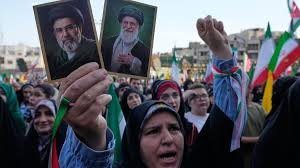
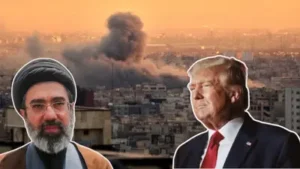
The remarks mark a notable shift in tone. Over the past month, the U.S. has been deeply involved in a military confrontation with Iran, including airstrikes targeting key infrastructure and military capabilities.
Now, Trump appears eager to pivot toward rebuilding investor confidence and stabilizing markets shaken by the conflict.
War Nearing a Turning Point—But Questions Remain
While Trump expressed confidence that the war is approaching its conclusion, the situation on the ground remains uncertain. Diplomatic negotiations are ongoing, and no formal ceasefire has been confirmed.
Recent reports indicate that the conflict has disrupted global oil flows and rattled financial markets, particularly due to tensions around the strategic Strait of Hormuz.
At the same time, Gulf nations—many of whom were represented at the investor event—have urged Washington to ensure that any resolution goes beyond a temporary ceasefire and addresses Iran’s long-term military capabilities.
This highlights a gap between Trump’s optimistic messaging and the cautious stance of regional allies.
Markets React to Mixed Signals
The war has had a visible economic impact. Oil prices have surged at times, and global markets have experienced volatility as investors react to shifting signals from Washington.
Trump’s recent claims of progress in negotiations have occasionally boosted market sentiment, but uncertainty persists. Analysts warn that without a clear and lasting agreement, economic instability could continue.
A Strategic Audience: Gulf Investors
Trump’s choice of audience was deliberate. Gulf countries, including Saudi Arabia and the United Arab Emirates, control some of the world’s largest sovereign wealth funds and play a crucial role in global energy markets.
By addressing these investors directly, Trump is not only seeking capital but also reinforcing strategic ties with key regional partners. His message blends geopolitics with economics—suggesting that stability in the Middle East could unlock significant investment flows into the U.S.
Balancing Confidence and Reality
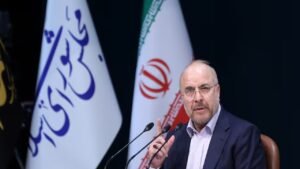
Despite Trump’s confident tone, challenges remain. Iran has pushed back against U.S. claims of progress, and negotiations have yet to yield a concrete agreement.
Experts caution that ending the war will require more than optimistic statements. Key issues—including Iran’s military capabilities, regional influence, and control over critical shipping routes—are still unresolved.
Looking Ahead
For now, Trump is betting that a combination of military pressure and economic diplomacy will bring the conflict to a close. His message to Gulf investors reflects that strategy: the war may be winding down, and a new phase of economic engagement could be beginning.
Whether that transition materializes—or proves premature—will depend on the outcome of fragile negotiations still unfolding behind the scenes.