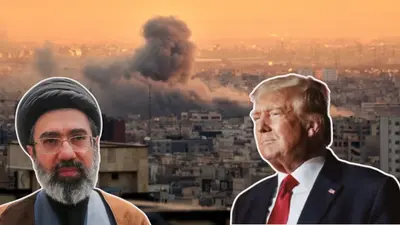






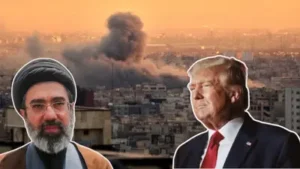
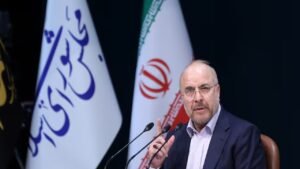
The ongoing Gulf conflict could draw to a close sooner than expected, with the United States signaling that its military objectives may be achieved within weeks—without the need for a ground invasion.
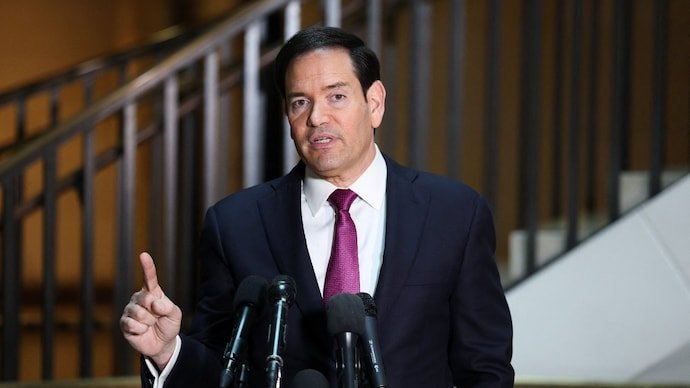
US Secretary of State Marco Rubio said the campaign against Iran is progressing faster than anticipated and is likely to conclude “in weeks, not months,” offering a cautiously optimistic outlook on a war that has raised global tensions and disrupted key energy routes.
Speaking after high-level discussions with G7 foreign ministers in France, Rubio emphasized that Washington does not plan to send ground troops into Iran. Instead, the US strategy continues to rely on airstrikes, naval power, and coordinated operations with allies to weaken Iran’s military capabilities.
No Ground War, Despite Troop Build-Up
Even as thousands of additional American troops are being deployed across the Middle East, US officials insist that these moves are precautionary rather than preparatory for a full-scale invasion.
Rubio clarified that the deployments are meant to give President Donald Trump “maximum flexibility” in case the situation escalates unexpectedly. The presence of Marines and airborne units in the region has sparked speculation about a possible ground offensive, but officials have firmly denied such plans.
Military analysts note that the current troop levels fall far short of what would be required for a conventional invasion, reinforcing the administration’s claim that this will remain a limited conflict focused on strategic targets rather than territorial control.
Conflict Nearing a Turning Point
The war, which began in late February with joint US-Israeli strikes on Iranian military and nuclear infrastructure, has seen intense exchanges of missile and drone attacks across the region. Despite ongoing retaliation from Iran and its allies, US officials say key objectives—such as degrading Iran’s missile systems and military production capabilities—are already being met.
Rubio indicated that operations are “on or ahead of schedule,” suggesting that the campaign has significantly weakened Iran’s offensive capacity.
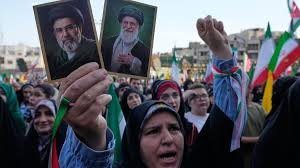
However, fighting continues across multiple fronts. Recent reports indicate missile strikes targeting US bases and allied territories, along with rising civilian casualties in parts of the Middle East.
Global Concerns Remain
While Washington projects confidence, the broader international community remains cautious. The conflict has already disrupted shipping through the Strait of Hormuz—a critical global oil route—raising fears of prolonged economic fallout.
Some European allies have expressed concern about the war’s escalation and have called for renewed diplomatic efforts. At the same time, backchannel negotiations are reportedly ongoing, though no breakthrough has yet been announced.
A Limited War, For Now
The Biden administration’s (Trump-era leadership in this scenario per reports) approach appears aimed at achieving military goals quickly while avoiding the risks of a prolonged ground war—something that could dramatically escalate the conflict and increase casualties.
For now, officials maintain that the end may be in sight. But with tensions still high and multiple actors involved, the situation remains volatile.
Whether the war truly concludes within weeks—as predicted—will depend not only on battlefield developments but also on the fragile prospects for diplomacy in a deeply unstable region.