
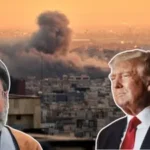


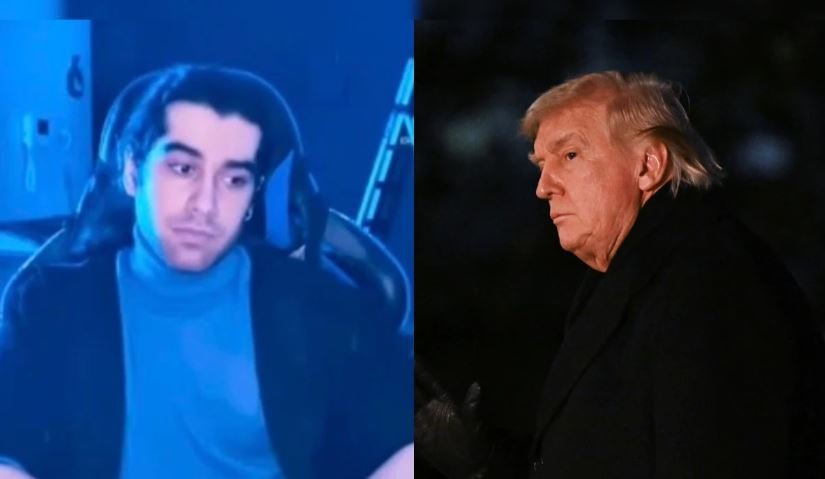
In a deeply unsettling episode that has captured global attention, an Iranian man identified as Pouria Hamidi reportedly died by suicide after releasing a video message urging former U.S. President Donald Trump and Western leaders not to pursue diplomatic negotiations with Iran’s ruling regime — and instead to consider military intervention to end what he described as brutal repression at home.
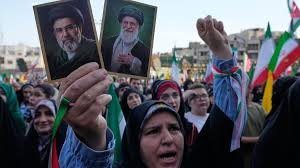
Hamidi, a resident of Bushehr, a port city in southern Iran, recorded a roughly 10-minute video in English that was shared widely on social media platforms earlier this week. In the recording, he expressed profound despair at the state of his country and the plight of ordinary Iranians, describing widespread violence and loss of life during recent protests against the Islamic Republic’s leadership.
“If you’re watching this, then I’m not around anymore,” Hamidi said at the start of the video, signaling his intention to end his life shortly after posting the message. He went on to urge the United States and other Western nations to abandon diplomatic engagement with Tehran, warning that any future deal would be a betrayal of those who have suffered.
Hamidi claimed in the video that tens of thousands of people had been killed in the government’s crackdown on protest movements and criticised diplomacy as having failed to deliver freedom or justice for the Iranian people. Without providing independent verification, he said negotiations would simply legitimise the current regime’s authority and undermine the sacrifices of those who have taken to the streets.
He also voiced support for figures in the Iranian opposition, including exiled leaders, and called for unity among those seeking change. In the final moments of his appeal, switching to his native Persian, Hamidi addressed his countrymen directly, urging them to support one another.
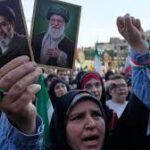
The video and reports of his suicide have sparked widespread debate online. Some international commentators see Hamidi’s act as a tragic symbol of frustration and hopelessness amid ongoing tensions between Iran and the West. Others have raised questions about the broader context in which the message was made, noting that information about the numbers of casualties and the circumstances surrounding his death remains difficult to independently confirm.
Observers underscore that Iran has been grappling with significant unrest, with government forces responding forcefully to protests that began in the past year and continued into 2026. At the same time, there are ongoing discussions internationally about diplomatic avenues to address long-standing disputes with Tehran over its nuclear program and human rights record.
As reactions to Hamidi’s final message continue to spread, the incident highlights the deep divisions and emotional strains within Iranian society — and the profound human cost of geopolitical conflict.