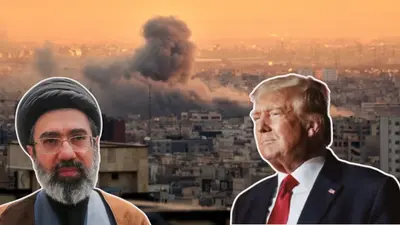




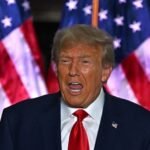
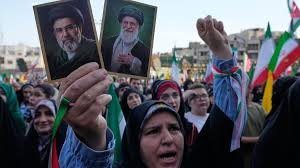


A fragile mix of diplomacy and confrontation is unfolding in the Middle East, as former U.S. President Donald Trump signalled a possible breakthrough in talks with Iran even while tensions escalated sharply at sea.
According to multiple reports, Trump has hinted that fresh negotiations between Washington and Tehran could begin within the next 36 to 72 hours, raising cautious hopes of de-escalation after weeks of conflict.
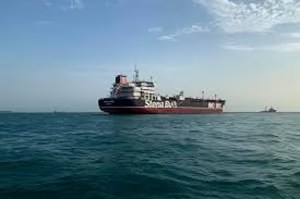
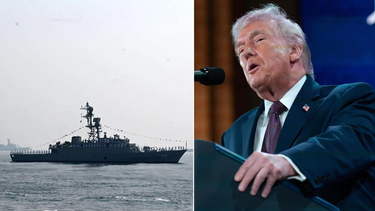
However, that optimism has been overshadowed by a dramatic escalation in the strategically vital Strait of Hormuz, where Iranian forces seized two commercial vessels and reportedly fired on others.
Maritime flashpoint intensifies
Iran’s Islamic Revolutionary Guard Corps (IRGC) said the ships were detained for alleged violations, including operating without proper authorization and interfering with navigation systems.
The incident comes amid an ongoing standoff over control of the narrow waterway, through which a significant portion of the world’s oil supply passes. The seizures have heightened fears of further disruption to global energy markets and shipping routes.
The confrontation at sea is part of a broader tit-for-tat escalation. Just days earlier, U.S. forces intercepted an Iranian-linked vessel as part of a naval blockade imposed by Washington earlier this month.
Ceasefire holds—but barely
Despite the rising tensions, Trump has extended an existing ceasefire with Iran, suggesting a shift toward diplomacy after initially taking a more aggressive stance.
Still, the situation remains volatile. Iran has accused the U.S. of violating the ceasefire through continued naval restrictions, while Washington insists the blockade is necessary to pressure Tehran into negotiations.
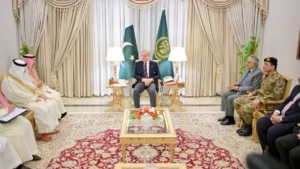
Diplomatic efforts, reportedly being mediated by Pakistan, are ongoing but fragile. Tehran has so far resisted returning to talks, demanding an end to the U.S. blockade before negotiations resume.
Global impact grows
The standoff is already sending shockwaves through global markets. With parts of the Strait of Hormuz effectively disrupted, oil shipments have slowed, shipping costs have surged, and hundreds of vessels remain stranded in the region.
Energy analysts warn that prolonged instability could trigger a wider economic impact, particularly for oil-dependent economies in Asia and Europe.
A narrow window for diplomacy
Trump’s suggestion of imminent talks offers a potential off-ramp from the crisis, but the timing—coming alongside fresh maritime confrontations—underscores the deep mistrust between the two sides.
Whether the next 72 hours bring meaningful dialogue or further escalation may determine the trajectory of one of the most dangerous geopolitical flashpoints of 2026.