





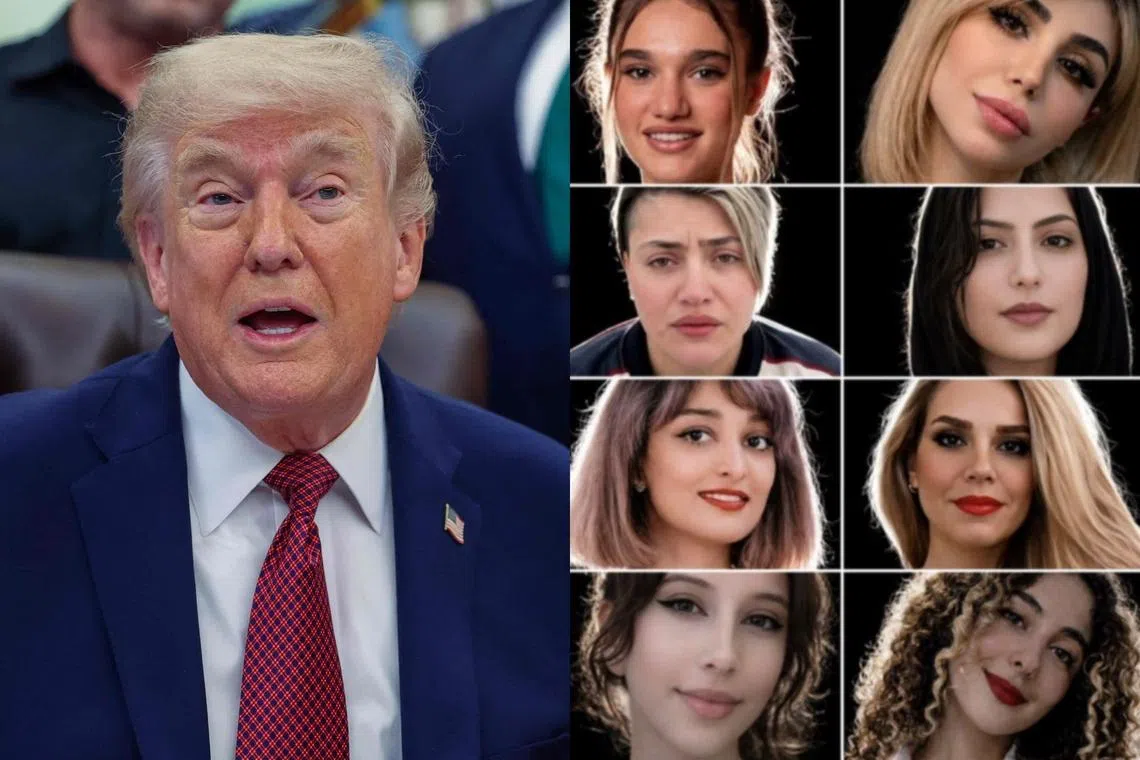
Fresh tensions have emerged between the United States and Iran after U.S. President Donald Trump claimed that Tehran had agreed to halt the execution of eight women protesters, a statement Iranian authorities have strongly denied.
In a social media post on Wednesday, Trump described the development as “very good news,” asserting that Iran had responded positively to his request and would spare the women’s lives. He added that four of the detainees would be released immediately, while the remaining four would receive short prison sentences instead.
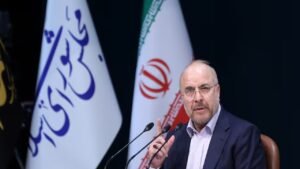
However, officials in Tehran quickly pushed back, rejecting Trump’s account in its entirety. Iran’s judiciary said there had been no plans to execute the women and accused the U.S. president of spreading misinformation.
The dispute highlights the deep mistrust between the two countries, even as fragile diplomatic efforts continue following weeks of heightened conflict. Trump’s statement came just a day after he announced a unilateral extension of a ceasefire between the U.S. and Iran, part of ongoing attempts to de-escalate tensions.
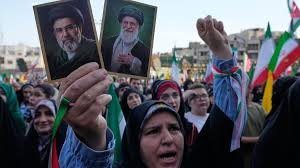
The eight women at the center of the controversy were reportedly detained during recent anti-government protests in Iran. While Iranian authorities insist none were facing execution, some human rights groups have suggested that at least one of the women had been sentenced to death and others could face severe penalties.
Adding further complexity, reports from advocacy organizations indicate that some of the women may already have been released on bail, while others remain in custody with unclear legal status.
Trump had earlier urged Iran to release the detainees as a goodwill gesture that could help restart stalled negotiations, framing the issue as a potential opening for broader diplomatic progress.
The conflicting narratives underscore the challenges facing any potential rapprochement. While Washington portrays the situation as a humanitarian success tied to diplomatic pressure, Tehran has dismissed it as fabrication, reinforcing long-standing accusations of political messaging and misinformation between the two sides.
As negotiations remain uncertain and both governments continue to trade claims and counterclaims, the fate of the women — and the credibility of the competing accounts — remains a focal point in the evolving U.S.–Iran standoff.