





Iran has firmly ruled out reopening the strategically vital Strait of Hormuz, saying it is “impossible” to do so while a U.S. naval blockade remains in place, escalating tensions in an already volatile Middle East conflict.
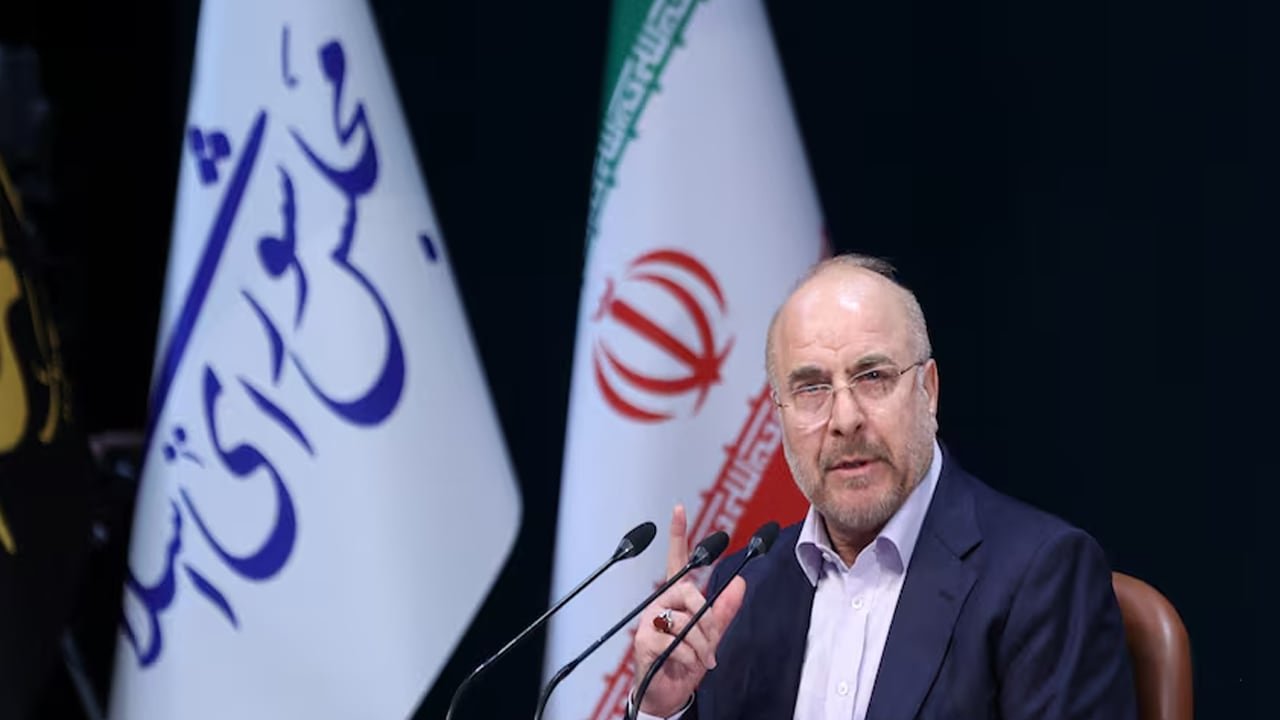
In remarks reported by multiple outlets, Iranian Parliament Speaker Mohammad Bagher Ghalibaf accused the United States of violating a fragile ceasefire by maintaining its maritime blockade. He argued that any meaningful truce must include the lifting of such restrictions, warning that reopening the key shipping route “only makes sense” if the ceasefire is fully respected.
The Strait of Hormuz—through which roughly a fifth of the world’s oil supply passes—has become a flashpoint in the ongoing standoff between Tehran and Washington. Iran’s latest stance signals that global energy markets may continue to face disruption, as the waterway remains effectively closed or severely restricted.
Ceasefire Under Strain
Iranian officials say the U.S. blockade of its ports and shipping routes undermines any diplomatic progress. President Masoud Pezeshkian echoed this position, calling the blockade a major obstacle to “genuine negotiations” and accusing Washington of failing to honor its commitments.
Ghalibaf went further, describing the blockade as a form of “hostage-taking” of the global economy and insisting that Iran will not allow normal maritime traffic while its own trade remains restricted.
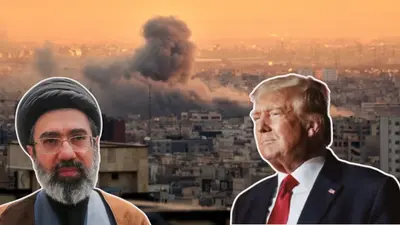
Despite a temporary ceasefire extension announced by U.S. President Donald Trump, both sides appear far from agreement. Iran has made it clear that any reopening of the strait is conditional on the removal of economic and military pressure.
Rising Tensions in the Gulf
The situation on the ground remains tense. Reports indicate that Iranian forces have seized vessels and tightened control over shipping lanes, while the U.S. continues to maintain a strong naval presence in the region.
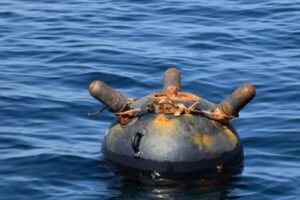
Adding to concerns, the Pentagon has warned that clearing the strait of mines—believed to have been deployed during the conflict—could take months, suggesting that disruptions may persist even if a political agreement is reached.
Thousands of sailors and hundreds of ships are reportedly stranded due to the closure, highlighting the scale of the crisis and its impact on global trade.
Global Economic Impact
The ongoing standoff has already sent shockwaves through international markets. The Strait of Hormuz is a critical artery for oil and gas exports, particularly for Asian economies heavily dependent on Gulf energy supplies.
Analysts warn that prolonged disruption could push energy prices higher and increase the risk of a broader economic slowdown. The crisis has already been described as one of the most significant threats to global energy stability in recent years.
Uncertain Path Forward
While there are indications that diplomatic efforts—reportedly involving intermediaries such as Pakistan—are ongoing, both Washington and Tehran remain entrenched in their positions.
Iran insists that dialogue is possible but only if pressure tactics are abandoned. The United States, meanwhile, appears unwilling to lift the blockade without broader concessions.
With neither side backing down, the future of the Strait of Hormuz—and the stability of global energy markets—remains uncertain.