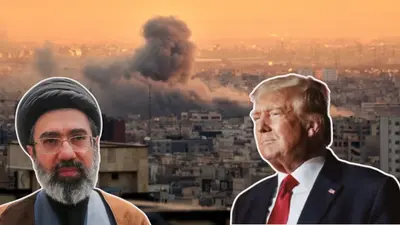






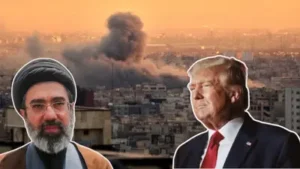
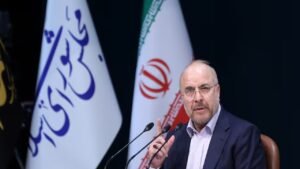
Islamabad, April 13, 2026 — Hopes for easing tensions in the Middle East suffered a major setback after high-level talks between the United States and Iran ended without agreement, prompting a swift and controversial response from Washington.
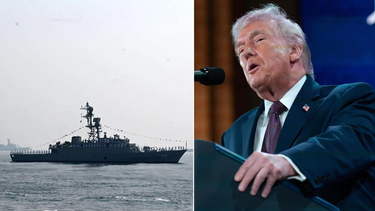
U.S. President Donald Trump announced that American naval forces would begin a blockade targeting Iranian maritime traffic, marking a significant escalation in an already volatile regional conflict. The move follows more than 20 hours of negotiations in Pakistan’s capital that failed to resolve deep disagreements between the two sides.
Talks Collapse Over Nuclear Dispute
The negotiations — among the most direct between the U.S. and Iran in decades — broke down primarily over Iran’s nuclear program. U.S. officials demanded that Tehran halt uranium enrichment, dismantle key nuclear facilities, and allow international oversight.
Iran, however, rejected these terms, viewing them as excessive and a violation of its sovereignty. The failure to bridge these differences left a fragile two-week ceasefire hanging in the balance, with its expiration looming later this month.
Blockade Targets Iranian Ports
Shortly after the talks ended, the U.S. military confirmed plans to enforce a naval blockade beginning Monday. The operation will focus on ships entering or leaving Iranian ports, though vessels traveling between non-Iranian destinations will still be allowed to pass through the Strait of Hormuz — one of the world’s most critical oil routes.
While the measure stops short of a full shutdown of the strait, it is expected to disrupt trade and further strain global energy markets.
Risk of Wider Conflict Grows
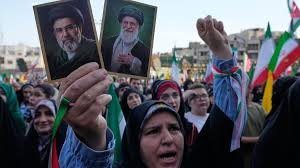
The announcement has intensified fears of a broader regional conflict. Iran has warned that any interference with its control over the strategic waterway could provoke a strong response.
At the same time, tensions remain high beyond Iran’s borders. Ongoing clashes involving Israel and Iranian-backed groups in Lebanon continue to add pressure to an already unstable situation, with casualties mounting across the region.
Global Impact and Diplomatic Uncertainty
The Strait of Hormuz handles a significant portion of the world’s oil supply, meaning any disruption could have immediate economic consequences worldwide. Following the U.S. announcement, oil prices showed signs of volatility, reflecting market concerns about supply interruptions.
International leaders and mediators, including officials from Pakistan and European nations, have urged both sides to return to negotiations and preserve the ceasefire. However, with positions still far apart, the path forward remains uncertain.
A Critical Moment
The collapse of talks underscores the deep mistrust between Washington and Tehran, rooted in decades of political and military tensions. As both sides stand firm on key demands, the risk of further escalation now looms large.
With the ceasefire deadline approaching and military activity increasing, the coming days may prove in determining whether diplomacy can be revived — or whether the region moves closer to a wider conflict.