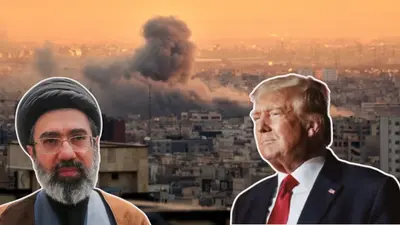





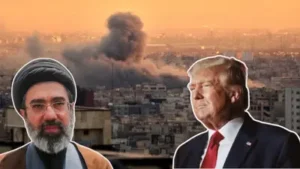
Tensions between the United States and Iran have sharply escalated after high-stakes diplomatic talks in Islamabad collapsed without an agreement, prompting strong remarks from U.S. President Donald Trump and a dramatic military response in the Persian Gulf.
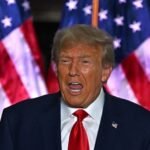
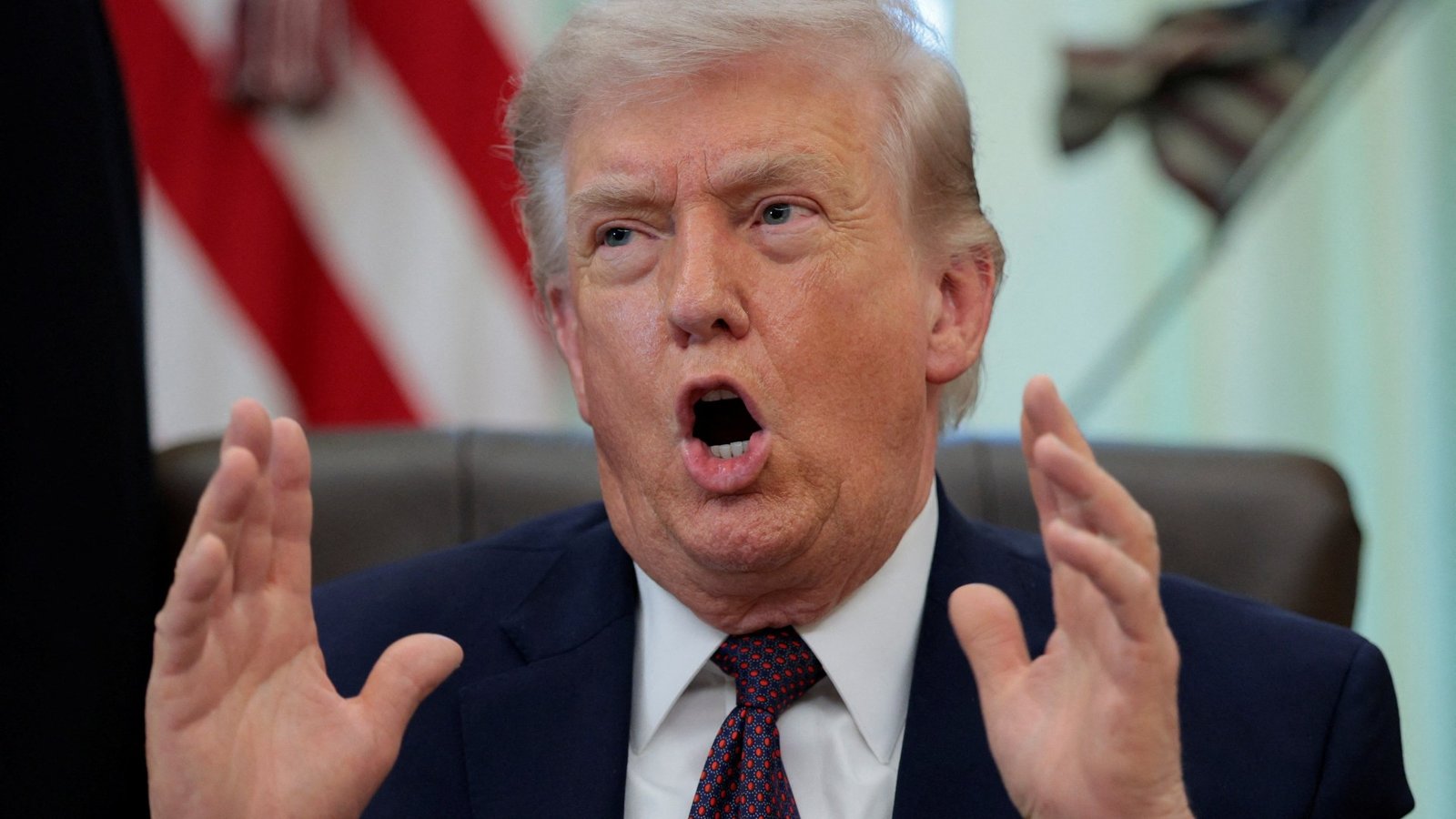
Speaking to reporters after the marathon negotiations, Trump described Iran as being “in bad shape” and “desperate,” signaling a hardened stance from Washington following more than 21 hours of discussions that failed to bridge key differences—particularly over Iran’s nuclear program.
Talks Collapse After Marathon Negotiations
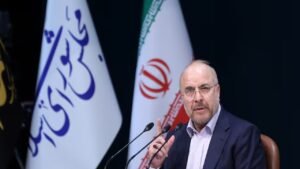
The Islamabad talks were seen as a critical opportunity to de-escalate weeks of conflict in the region. However, both sides walked away without a breakthrough. U.S. officials indicated that Iran refused to accept conditions aimed at halting its nuclear ambitions, while Tehran accused Washington of taking an uncompromising position.
Despite some progress during the discussions, the failure to secure a deal has deepened uncertainty around the fragile ceasefire that had temporarily paused hostilities in the region.
Trump Announces Blockade of Iranian Ports
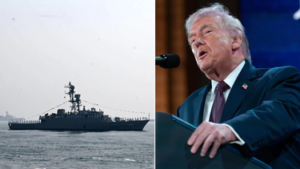
In response, the United States has moved swiftly to increase pressure on Tehran. Trump confirmed that the U.S. military would begin enforcing a naval blockade targeting all maritime traffic entering and exiting Iranian ports via the strategically vital Strait of Hormuz.
“Iran will not be able to sell oil,” Trump said, adding that the country would also be prevented from acquiring nuclear weapons.
The Strait of Hormuz, through which a significant portion of the world’s oil supply passes, has become the focal point of the crisis. While the blockade is aimed specifically at Iranian-linked shipping, vessels not connected to Iran are expected to continue transiting the waterway.
Risk of Wider Conflict Grows
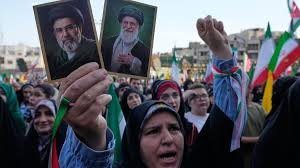
The move has heightened fears of a broader military confrontation. Iranian officials have warned that any attempt to enforce restrictions near the strait could be viewed as an act of war.
The situation is particularly volatile given the strategic importance of the region. Roughly one-fifth of global oil shipments pass through the Strait of Hormuz, and disruptions have already begun affecting energy markets worldwide.
Analysts warn that the collapse of talks and the introduction of a blockade could trigger further escalation, potentially drawing in other regional and global powers.
Global Economic Concerns
Markets have reacted nervously to the developments, with experts predicting rising oil prices and increased economic uncertainty. Some analysts have described the situation as one of the most significant supply shocks in modern history, with ripple effects expected across global trade and energy sectors.
What Lies Ahead
While Trump has suggested he is open to future negotiations, his remarks also indicated a willingness to continue the standoff if Iran does not change its position. Meanwhile, diplomatic efforts led by international mediators, including Pakistan, may attempt to revive talks in the coming days.
For now, the breakdown of the Islamabad negotiations marks a critical turning point—shifting the crisis from fragile diplomacy back toward confrontation, with the Strait of Hormuz once again at the center of global attention.