





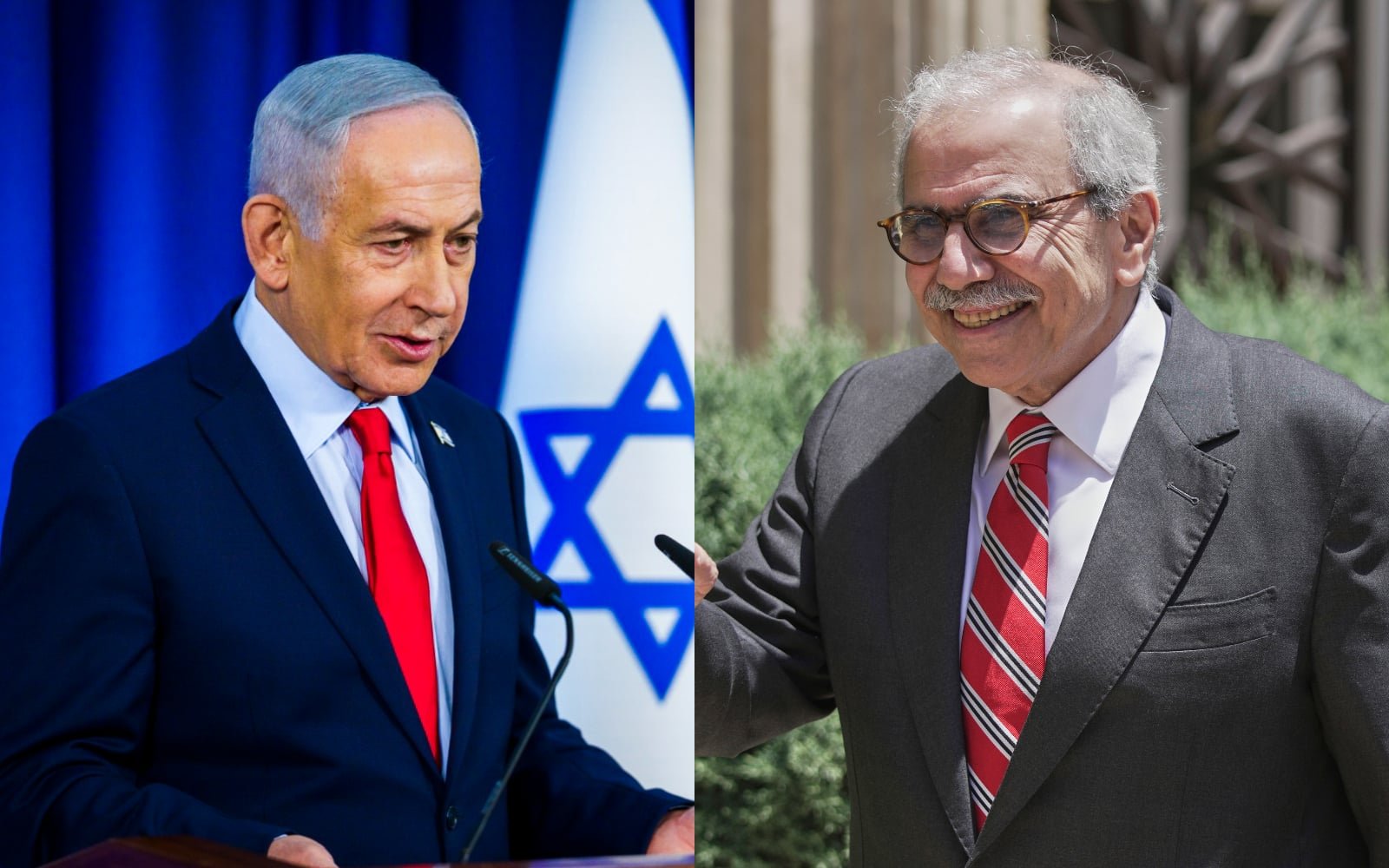
Tensions in the Middle East may be edging toward a diplomatic turning point, as Benjamin Netanyahu has indicated that Israel is open to holding direct talks with Lebanon—a move that could mark a significant shift after decades of hostility.
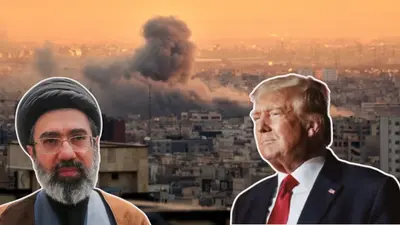
The announcement comes in the shadow of intense violence. Earlier this week, Israeli airstrikes across Lebanon reportedly killed more than 300 people, according to local health authorities. The scale of the attacks has drawn international concern and heightened fears of a broader regional escalation.
Despite the ongoing conflict, Netanyahu suggested that Israel is willing to explore direct engagement with the Lebanese government. If such talks materialise, they would represent a rare moment of direct communication between the two countries, which have not held formal face-to-face negotiations in decades.
A Conflict Still Unfolding
The situation between Israel and Lebanon has been deteriorating rapidly, with near-daily exchanges of fire across the border. Much of the violence has been linked to clashes with Hezbollah, the Iran-backed militant group based in southern Lebanon, which Israel considers a major security threat.
The recent Israeli strikes appear to be among the deadliest in the current phase of fighting, underscoring how quickly the situation has intensified. Entire neighbourhoods have been affected, and civilian casualties continue to rise, adding urgency to calls for de-escalation.
Diplomacy Amid Destruction
Netanyahu’s remarks suggest that even amid military operations, there may be space for diplomacy. Analysts say that direct talks—if they happen—could focus on reducing cross-border attacks, establishing buffer zones, or negotiating longer-term security arrangements.
However, significant challenges remain. Lebanon’s political landscape is deeply complex, and Hezbollah’s influence complicates any attempt at state-level negotiations. It is also unclear whether both sides are equally willing or able to commit to sustained dialogue.
International Pressure Mounts
The prospect of talks comes as global powers increase pressure on both sides to avoid a wider war. The conflict risks spilling over into a broader regional confrontation, especially given ongoing tensions involving Iran and other actors in the Middle East.
Diplomatic efforts by international mediators may play a crucial role in bringing both parties to the table. For now, though, the situation remains volatile, with fighting continuing even as the idea of negotiations is floated.
A Fragile Opening
While Netanyahu’s statement has raised cautious optimism, observers warn that any progress will likely be slow and uncertain. Decades of mistrust, ongoing violence, and competing political interests mean that even initiating talks would be a significant challenge.
Still, in a region where conflict often dominates headlines, even the possibility of dialogue offers a glimmer of hope—however fragile it may be.