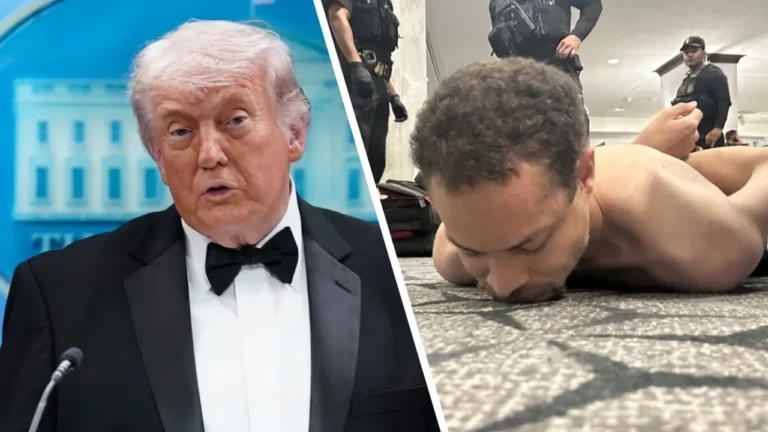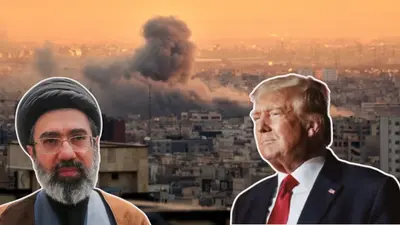






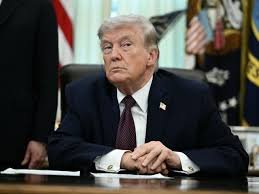
Tensions within the NATO alliance have intensified after Secretary General Mark Rutte revealed that Donald Trump was “clearly disappointed” by the reluctance of European allies to support the United States during its recent conflict with Iran.
The remarks came after a closed-door meeting between the two leaders in Washington, held against the backdrop of a fragile ceasefire between the US and Iran. While the meeting was described as frank and constructive, it underscored growing divisions within the alliance over military involvement and shared responsibilities.
Frustration Over Limited Military Support
According to Rutte, Trump had expected stronger backing from NATO members during the conflict. However, several key European nations declined to participate directly in military operations, instead offering limited logistical or indirect support.
This lack of involvement appears to have deeply frustrated the US president, who has repeatedly criticized NATO allies for not stepping up during the crisis.
Some countries, including Spain and France, reportedly restricted US military access or refused to contribute forces, further widening the transatlantic divide. Trump has previously gone as far as calling NATO a “paper tiger” and questioning the alliance’s relevance in modern conflicts.
Ceasefire Offers Temporary Relief
The tensions come at a delicate moment, as Washington and Tehran attempt to uphold a two-week ceasefire agreement aimed at preventing further escalation. The deal includes reopening the strategically vital Strait of Hormuz and initiating diplomatic talks to end the conflict.
Despite the ceasefire, the situation remains volatile. Missile alerts and regional instability continue to raise concerns that the truce could collapse at any time.
European leaders, including UK Prime Minister Keir Starmer, have focused on supporting diplomatic efforts rather than military engagement, highlighting a clear difference in approach compared to Washington.
NATO Unity Under Strain
Rutte acknowledged that while some NATO members fell short of US expectations, many countries did provide support in ways they had committed to, such as logistics and coordination. Still, he admitted that the situation had exposed weaknesses within the alliance.
The disagreement has reignited long-standing debates over burden-sharing within NATO and the extent to which member states should align with US military actions.
Trump has even hinted at the possibility of reducing US commitments to NATO or reconsidering its role in the alliance altogether—though legal barriers now make a full withdrawal more difficult.
A Defining Moment for the Alliance
The Iran conflict is increasingly seen as a defining test for NATO’s unity and future direction. While the alliance has historically relied on strong US leadership, the current rift suggests a shift in how European nations view their strategic independence.
For Rutte, the challenge lies in balancing transatlantic relations while maintaining cohesion among member states with differing priorities.
As ceasefire talks continue and geopolitical tensions persist, NATO faces a critical question: can it remain united in the face of diverging political and military strategies?