


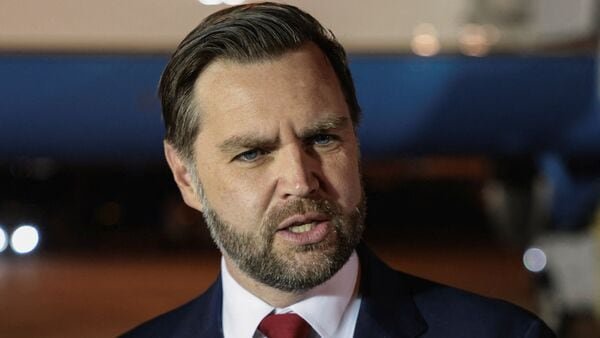
In a significant diplomatic move aimed at easing rising tensions in the Middle East, the United States has announced that Vice President J.D. Vance will lead a high-level delegation for peace talks with Iran in Pakistan. The development comes at a critical moment, as both nations attempt to stabilize a fragile ceasefire following weeks of escalating conflict.
According to the White House, the talks are expected to take place over the weekend in Islamabad, with senior officials from both sides participating. The negotiations are part of a broader effort by the US administration under President Donald Trump to de-escalate hostilities and move toward a more permanent ceasefire agreement.
A Fragile Ceasefire
The upcoming talks follow a recently agreed two-week ceasefire between the United States and Iran—an arrangement widely described as delicate and uncertain. While the ceasefire has temporarily reduced tensions, underlying disagreements remain unresolved, particularly over issues such as nuclear policy, regional security, and the Strait of Hormuz.
Vice President Vance himself has acknowledged the uncertainty surrounding the situation, reportedly calling the truce “fragile” amid ongoing military activity in the region.
Despite the pause in direct conflict, incidents involving missile and drone strikes in parts of the Gulf have raised concerns about whether all factions involved are fully committed to the agreement.
Pakistan’s Crucial Role
Pakistan has emerged as a key mediator in the crisis, playing a central role in bringing both sides to the negotiating table. Officials in Islamabad have been actively engaging with leaders in Washington, Tehran, and other regional capitals to prevent a wider conflict.
Recent reports suggest that Pakistan’s intervention came at a decisive moment, as negotiations were close to collapsing due to renewed hostilities and disagreements over terms. Through sustained diplomatic efforts, the country helped secure the temporary ceasefire and facilitated the upcoming talks.
High Stakes for All Sides
The talks in Pakistan are expected to address several contentious issues, including Iran’s nuclear ambitions, the reopening of key maritime routes like the Strait of Hormuz, and broader regional security concerns.
The US delegation, led by Vance, is also expected to include prominent figures such as special envoy Steve Witkoff and senior adviser Jared Kushner, underscoring the importance Washington places on the negotiations.
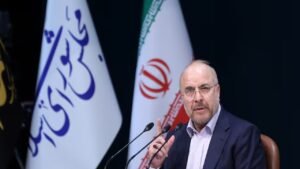
On the Iranian side, senior political and diplomatic leaders are anticipated to attend, signaling Tehran’s willingness to engage—at least for now—in direct dialogue.
A Critical Diplomatic Test
For Vice President Vance, the mission represents one of the most significant diplomatic challenges of his tenure. Analysts note that the outcome of these talks could determine whether the current ceasefire evolves into a lasting peace—or collapses, potentially reigniting a broader regional conflict.
The stakes are particularly high given the strategic importance of the Gulf region, where disruptions to shipping routes and energy supplies could have global economic consequences.
What Comes Next
While the planned talks offer a glimmer of hope, uncertainty continues to loom over the process. Deep mistrust between Washington and Tehran, combined with ongoing regional tensions, means that any agreement will be difficult to secure.
Still, with Pakistan acting as a mediator and both sides showing tentative willingness to negotiate, the Islamabad talks could mark a turning point—either toward stability or renewed confrontation.
For now, the world watches closely as diplomacy takes center stage in one of the most volatile geopolitical crises of the year.