



In a significant development amid escalating tensions in the Middle East, Israeli Prime Minister Benjamin Netanyahu has expressed support for the United States’ decision to implement a temporary ceasefire with Iran, while making it clear that the truce does not extend to ongoing hostilities in Lebanon.
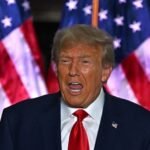
According to official statements, Israel has backed the two-week pause in military action announced by U.S. President Donald Trump, viewing it as an opportunity to curb Iran’s nuclear and missile ambitions and reduce regional instability.
However, Netanyahu emphasized a crucial limitation: the ceasefire applies only to the conflict involving Iran and does not cover Israel’s military operations against Hezbollah in Lebanon.
Ceasefire Aimed at De-escalation
The temporary truce comes after days of heightened tensions and the threat of major U.S. strikes on Iranian infrastructure. Under the agreement, Iran is expected to reopen key shipping routes, including the Strait of Hormuz, and halt attacks on U.S. and allied targets.
Diplomatic efforts—reportedly mediated by Pakistan—have paved the way for upcoming negotiations between Washington and Tehran, with talks expected to take place in Islamabad.
Global markets reacted positively to the announcement, with oil prices falling amid hopes of stability in one of the world’s most critical energy corridors.
Dispute Over Lebanon’s Inclusion
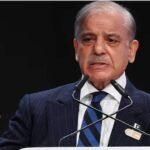
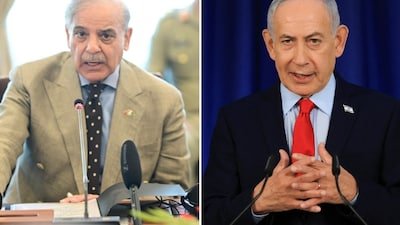
Despite the broader agreement, confusion emerged after Pakistan’s Prime Minister Shehbaz Sharif suggested the ceasefire would apply “everywhere,” including Lebanon. Israel quickly rejected that interpretation.
Netanyahu’s office clarified that military operations against Hezbollah—a Tehran-backed group based in Lebanon—would continue regardless of the U.S.-Iran truce.
This stance reflects Israel’s ongoing security concerns, as Hezbollah has launched attacks on Israeli territory in recent weeks, further widening the conflict beyond Iran.
Fragile Peace, Ongoing Risks
While the ceasefire has been welcomed internationally as a step toward de-escalation, analysts warn it remains fragile. The agreement is temporary, and both sides continue to maintain military readiness.
Moreover, the exclusion of Lebanon from the deal underscores the complexity of the conflict, with multiple fronts and actors involved. Continued fighting between Israel and Hezbollah risks undermining broader peace efforts in the region.