




Tehran, April 7, 2026 — With tensions between the United States and Iran reaching a critical point, Iranian authorities have urged citizens to gather around key power plants across the country in a symbolic show of unity, just hours before a looming U.S. deadline that could trigger large-scale military action.
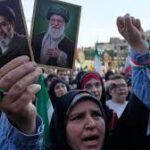
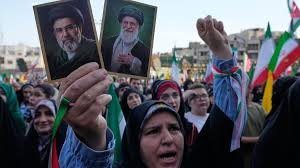
According to official announcements, people—particularly young citizens—have been asked to form human chains around major energy facilities at 2 PM on Tuesday. The move is being framed as a peaceful act of resistance and solidarity, aimed at protecting vital infrastructure amid fears of imminent airstrikes.
A Nation Bracing for Impact
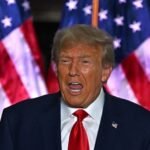
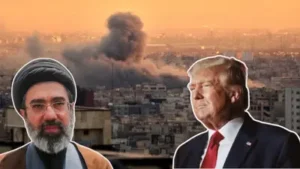
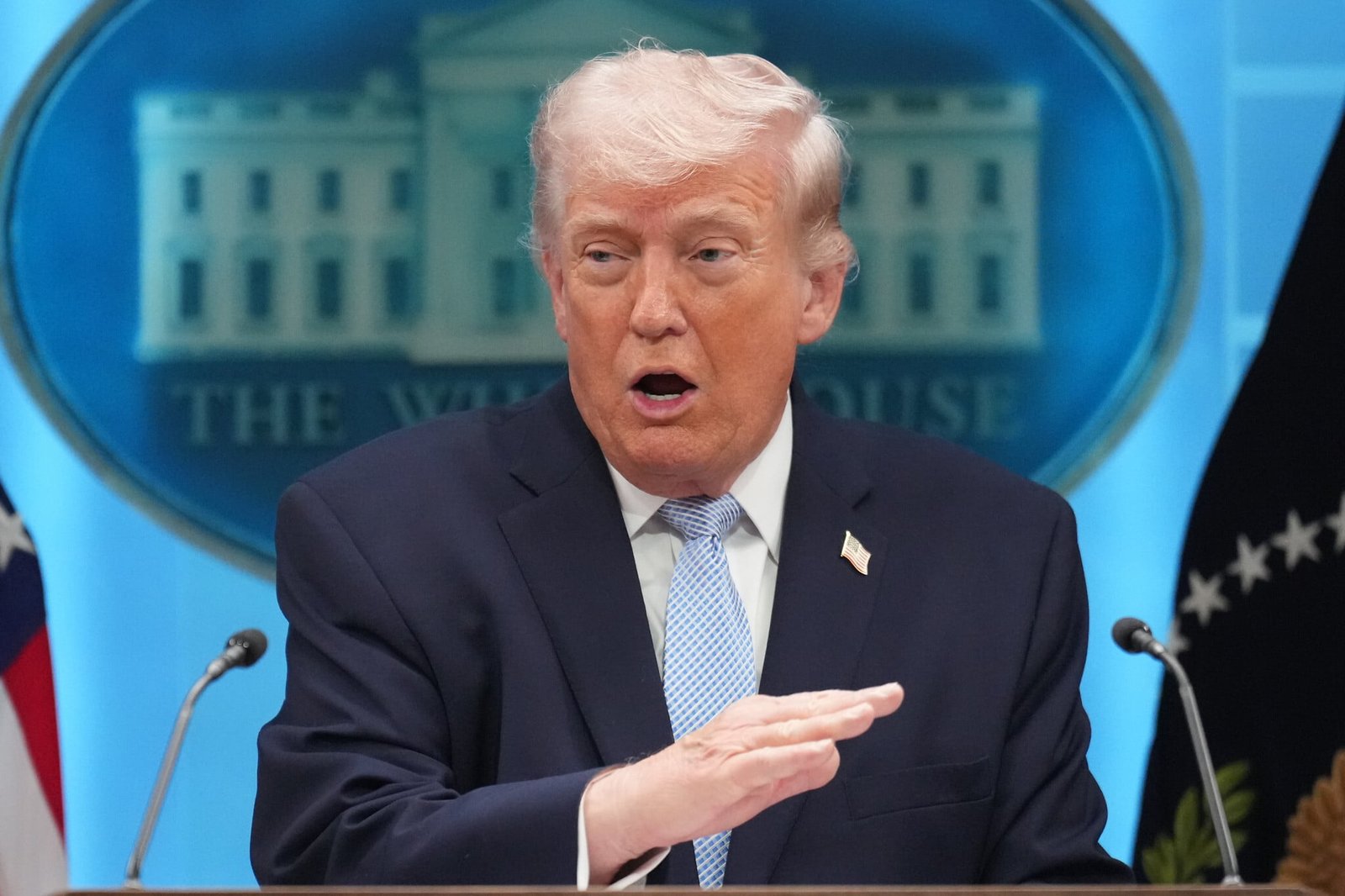
The call comes as U.S. President Donald Trump has issued a final ultimatum to Tehran: comply with American demands—reportedly including reopening the strategically crucial Strait of Hormuz—or face intensified military strikes targeting infrastructure such as power plants and bridges.
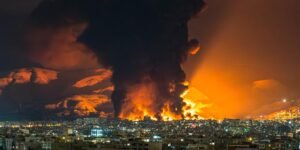
Trump has warned that failure to reach a deal by the deadline could result in widespread attacks, with some of the harshest rhetoric yet in the ongoing conflict. In recent statements, he suggested that Iran’s infrastructure could be hit “extremely hard,” raising global concerns about the potential humanitarian consequences.
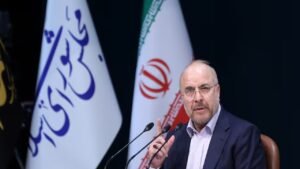
Iran, however, has rejected temporary solutions and ceasefire proposals, insisting instead on a permanent resolution to the conflict. Officials in Tehran have also warned that any escalation could trigger “devastating and widespread” retaliation.
Human Shields or Symbolic Protest?
The planned human chains reflect a broader pattern of public mobilization inside Iran since the conflict intensified earlier this year. While officials describe the action as symbolic, the presence of civilians around potential military targets has raised alarm among international observers.
Analysts say the move serves multiple purposes: demonstrating national unity, deterring attacks by increasing the risk of civilian casualties, and sending a message to the global community about the stakes involved.
“This is as much about optics as it is about protection,” one regional expert noted. “It puts pressure on Washington while rallying domestic sentiment.”
Rising Global Concerns
The escalating standoff has already sent shockwaves through global markets, particularly oil, as the Strait of Hormuz remains a critical chokepoint for energy supplies. Diplomatic efforts involving multiple countries are ongoing, but no breakthrough has been reported so far.
Meanwhile, legal experts and international leaders have raised concerns about the targeting of civilian infrastructure, warning that such actions could violate international law.
A Critical Deadline
As Tuesday’s deadline approaches, the situation remains highly volatile. With negotiations stalled and both sides hardening their positions, the coming hours could determine whether the crisis moves toward de-escalation—or a dramatic and potentially devastating escalation.
For now, all eyes are on Iran’s streets and skies, where ordinary citizens may soon find themselves at the center of a high-stakes geopolitical confrontation.