





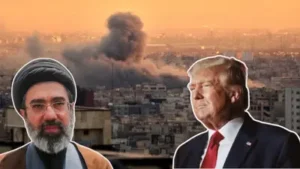
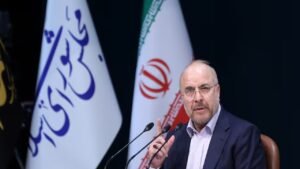
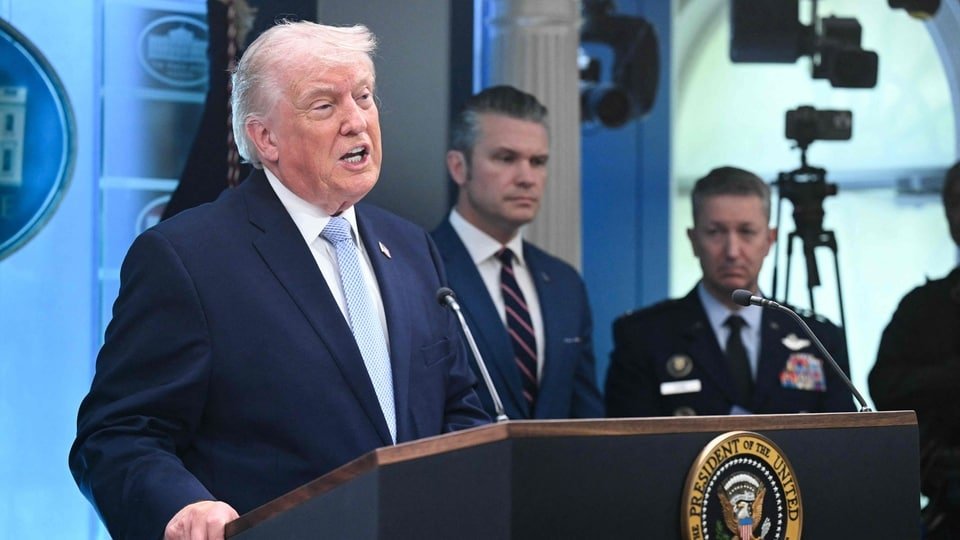
Washington / Tehran — Tensions between the United States and Iran have escalated sharply after U.S. President Donald Trump issued a stark warning that Iran could be “taken out in one night” if it fails to meet a looming deadline tied to the strategic Strait of Hormuz.
The remarks come as the deadline for Iran to reopen the crucial oil shipping route approaches, raising fears of a dramatic escalation in the ongoing conflict that has already disrupted global energy markets and heightened geopolitical uncertainty.
Trump’s Warning: “Taken Out in One Night”
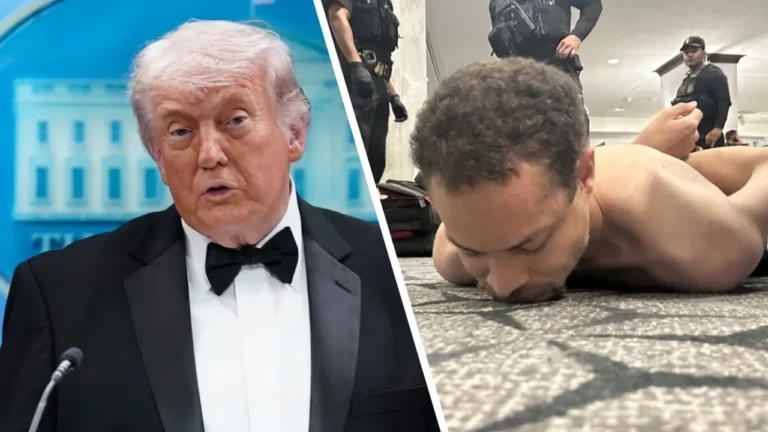
Speaking at the White House, Trump said the United States has the military capability to destroy Iran rapidly if necessary. He warned that failure to comply with U.S. demands—particularly reopening the Strait of Hormuz—could trigger large-scale strikes on key infrastructure.
According to reports, Trump stated that “the entire country can be taken out in one night,” suggesting that such action could happen as early as the next day if Iran does not act.
The U.S. administration has linked its ultimatum to ensuring the free flow of oil through the Strait, a vital global trade route through which a significant portion of the world’s oil supply passes.
Why the Strait of Hormuz Matters
The Strait of Hormuz, located between Iran and Oman, is one of the most strategically important waterways in the world. Any disruption there has immediate consequences for global oil prices and supply chains.
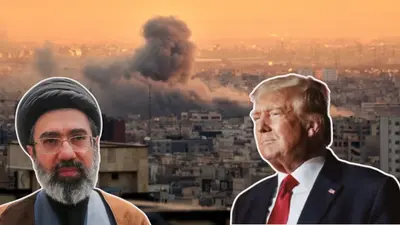
Recent weeks have seen the passage become increasingly dangerous, with military activity and retaliatory strikes making navigation difficult. The blockade has already sent oil prices higher and sparked concern among major economies.
Local communities in nearby regions are also feeling the impact, with trade slowing and daily life disrupted amid fears of further escalation.
Military Pressure and Escalation
U.S. officials have indicated that military operations could intensify if Iran does not comply. Defense Secretary Pete Hegseth suggested that upcoming strikes could be among the largest since the conflict began.
Reports indicate that potential targets could include infrastructure such as power plants and bridges—raising concerns internationally about the humanitarian impact of such actions.
At the same time, Trump has maintained that he would prefer a diplomatic resolution, saying negotiations are ongoing and that military action could still be avoided if Iran meets U.S. conditions.
Iran’s Response: Threat of Retaliation
Iran has responded with strong warnings of its own. Officials have vowed “devastating and widespread” retaliation if the United States follows through on its threats.
The standoff has created a volatile situation, with both sides signaling readiness for further escalation while also leaving the door open—at least publicly—for negotiations.
Efforts by international mediators to broker a ceasefire or temporary truce are ongoing, but no agreement has yet been reached.
Global Concern and Criticism
Trump’s remarks have drawn criticism from international observers and political analysts, with some warning that targeting civilian infrastructure could violate international law.
There are also growing concerns about the broader consequences of escalation, including:
- A potential regional war involving multiple countries
- Severe disruptions to global oil supply
- Rising energy prices worldwide
- Increased risks to civilians in conflict zones
A Critical Moment
With the deadline approaching, the situation remains highly unpredictable. The coming hours are likely to determine whether the crisis moves toward negotiation—or further military confrontation.
While Trump insists that a swift end to the conflict is possible, the increasingly aggressive rhetoric on both sides suggests that the risk of a major escalation remains very real.