







Fresh intelligence assessments from the United States suggest that Iran is unlikely to loosen its grip on the Strait of Hormuz anytime soon—a development that could have far-reaching consequences for global energy markets and geopolitical stability.
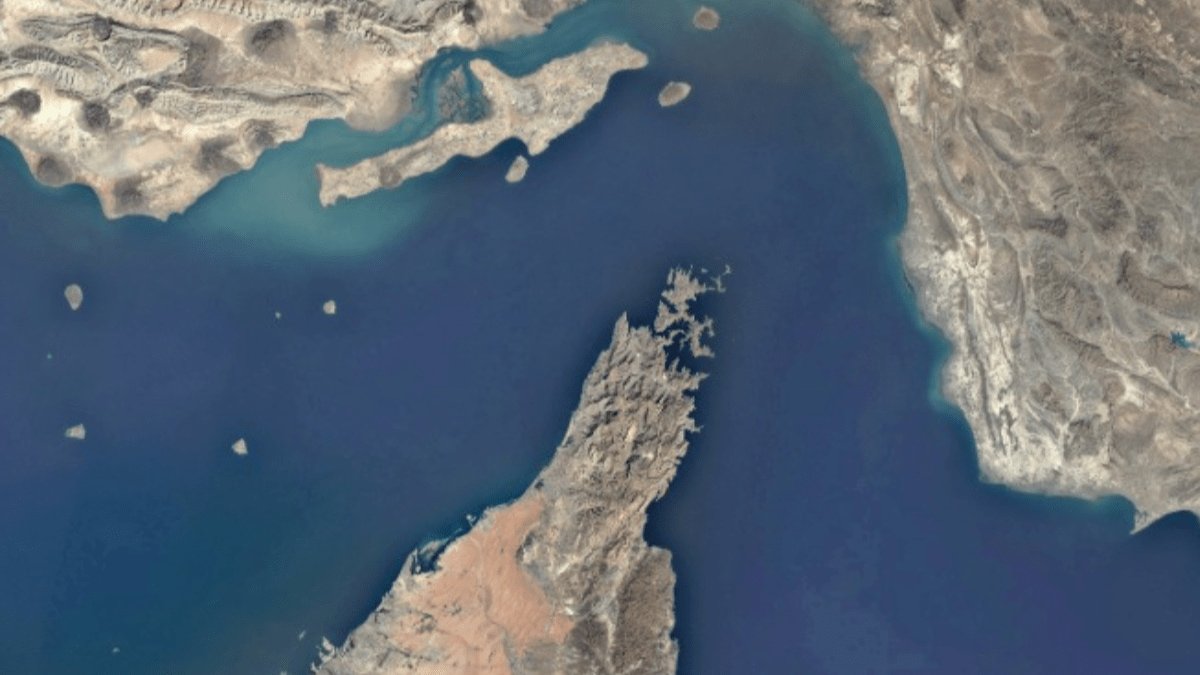
According to officials familiar with the reports, Tehran increasingly views its control over the strategic waterway as its strongest bargaining chip in the ongoing conflict with Washington. The Strait of Hormuz, a narrow passage between the Persian Gulf and the Gulf of Oman, carries roughly a fifth of the world’s oil supply, making any disruption there immediately felt across global economies.
A Strategic Pressure Point
The intelligence findings indicate that Iran is deliberately maintaining pressure on the strait to strengthen its negotiating position. By restricting access—through military threats, selective passage permissions, and economic measures—Tehran is effectively using energy flows as leverage against the United States.
Officials say this tactic is aimed at forcing Washington to reconsider its stance in the ongoing war, which has now stretched for weeks and is drawing increasing scrutiny domestically. Keeping oil prices elevated could intensify political and economic pressure on U.S. leadership.
Analysts describe the move as a calculated strategy. Rather than relying solely on traditional military escalation, Iran is leveraging geography—turning one of the world’s most critical shipping routes into a powerful geopolitical tool.
Global Markets on Edge
The impact of the disruption is already being felt. Reduced traffic through the strait has contributed to rising oil prices and heightened volatility in global markets. Shipping activity has dropped sharply since the conflict escalated, with many vessels avoiding the region due to safety concerns and rising insurance costs.
Beyond oil, the blockage also threatens the supply of natural gas, fertilizers, and other essential commodities that pass through the corridor, raising concerns about inflation and potential shortages in multiple regions.
Military Option Carries Risks
While U.S. officials have suggested that reopening the strait through military action remains an option, experts warn that such a move would be complex and risky.
Even if naval forces were able to secure the waterway, Iran could continue to disrupt shipping using missiles, drones, or mines launched from inland positions. This means any attempt to restore normal traffic could lead to a prolonged and costly confrontation rather than a quick resolution.
A Prolonged Standoff Likely
The intelligence reports ultimately point to a troubling conclusion: the standoff over the Strait of Hormuz may not be resolved quickly.
For Iran, maintaining control of the passage offers both economic and strategic advantages—from collecting transit fees to strengthening its hand in future negotiations. For the global community, however, the continued disruption threatens energy security and economic stability.
As tensions remain high, the fate of one of the world’s most vital trade routes is increasingly becoming a central issue in the broader conflict—one that could shape global markets for months to come.