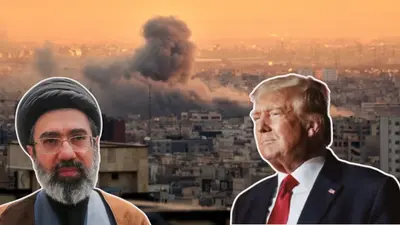






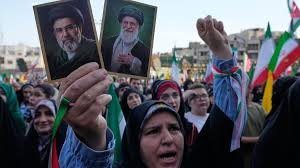


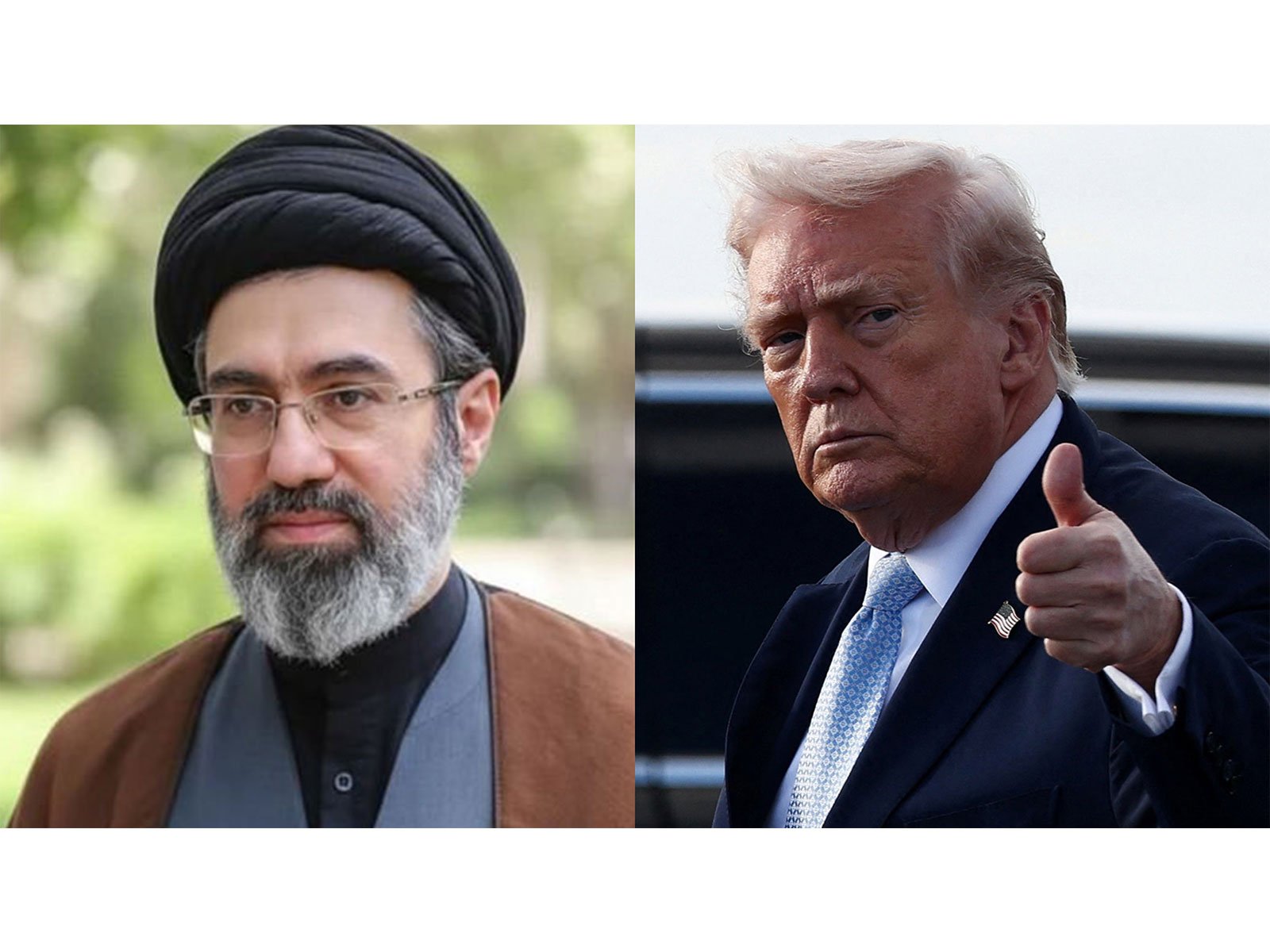
The conflict in the Middle East continues to intensify, with Iran rejecting a U.S.-backed proposal for a temporary ceasefire, signaling that a quick resolution to the ongoing war remains unlikely.
According to reports citing Iranian state-linked media, Tehran has turned down a 48-hour ceasefire proposal put forward by the United States through an intermediary nation. The offer, aimed at briefly halting hostilities and creating space for diplomatic negotiations, was conveyed earlier this week but failed to gain traction with Iranian leadership.
Ceasefire Rejected Amid Ongoing Conflict
The rejection comes at a time when the region has already endured months of escalating violence. What began as a series of military strikes has now evolved into a broader conflict involving multiple countries and armed groups across the Middle East.
Sources indicate that Iran remains unwilling to accept short-term pauses without broader guarantees or conditions being met. The refusal underscores Tehran’s hardened stance and reflects deep mistrust between the two sides, particularly in the absence of direct diplomatic engagement.
Fighting Intensifies Across the Region
Even as ceasefire discussions falter, military activity continues unabated. Airstrikes, missile launches, and retaliatory operations have been reported in multiple locations, including Iran, Lebanon, and surrounding regions.
Recent developments include the downing of a U.S. fighter jet over Iran, triggering a high-risk rescue mission, as well as continued Israeli strikes targeting infrastructure linked to allied militant groups. These incidents highlight how quickly the situation can escalate and how fragile any prospects for peace currently are.
Diplomatic Efforts Face Setbacks
The failed ceasefire proposal is the latest in a series of stalled diplomatic efforts. Attempts by international mediators to bring both sides to the negotiating table have so far produced little progress.
Analysts say the lack of trust, coupled with ongoing military pressure, has made even temporary agreements difficult to achieve. Iran has previously criticized U.S. proposals as unrealistic, while Washington continues to push for de-escalation alongside its allies.
Global Impact Growing
Beyond the immediate conflict zone, the repercussions are being felt worldwide. Disruptions to key shipping routes and energy supplies have driven up oil prices and raised concerns about global economic stability.
With no clear path to peace and both sides showing little willingness to back down, the situation remains volatile. The rejection of the ceasefire proposal suggests that the conflict could persist—and potentially worsen—in the coming weeks.