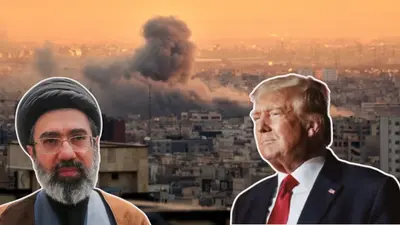





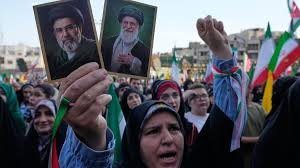


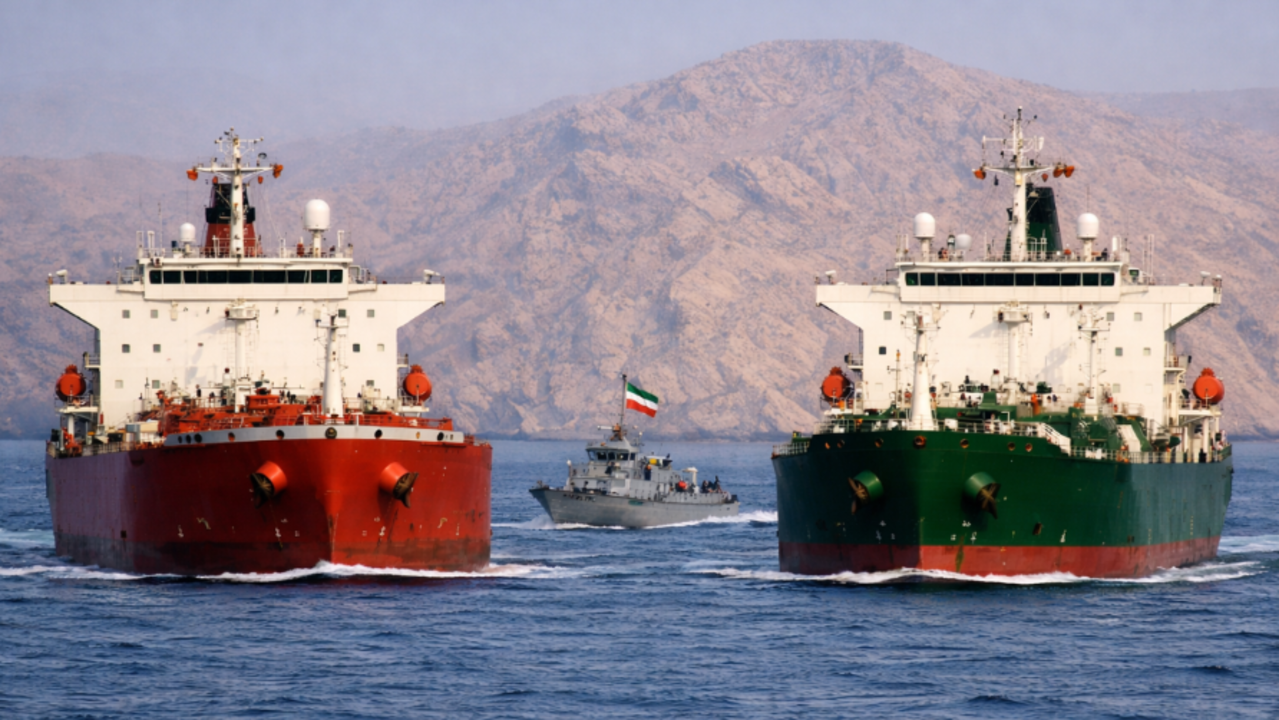
New Delhi: India has highlighted the human cost of the ongoing Iran–US conflict and the blockade of the Strait of Hormuz, stating that it is the only country to have lost mariners in recent attacks on merchant shipping in the Gulf region.
At a high-level international meeting hosted by the United Kingdom, Foreign Secretary Vikram Misri underscored the dangers faced by seafarers amid escalating tensions in West Asia. He noted that while the crisis has disrupted global shipping and energy supplies, India has uniquely suffered fatalities among its maritime workforce.
Human Cost Takes Centre Stage
During the discussions involving over 60 countries, India stressed that beyond geopolitical tensions and economic disruptions, the safety of sailors remains a critical concern. The government pointed out that Indian mariners have been directly affected by attacks on commercial vessels operating in the Gulf, making the crisis not just strategic but deeply humanitarian.
This comes at a time when thousands of seafarers from various nations are stranded or operating under extreme risk in the region, as military activity and uncertainty continue to disrupt normal shipping routes.
Strategic Waterway Under Pressure
The Strait of Hormuz, a narrow but vital maritime corridor, handles nearly 20% of the world’s oil and gas shipments, making it one of the most important trade routes globally.
Following military escalation involving Iran, the waterway has faced severe restrictions, with Iran exercising tight control over vessel movement. This has led to a sharp decline in shipping traffic and raised concerns about global energy security.
Impact on India’s Energy Security
India, which depends heavily on energy imports from the Middle East, has been particularly vulnerable to disruptions in the Strait. Officials warned that prolonged instability could affect supplies of fuel and fertilisers, with ripple effects across the economy.
Despite these concerns, the government has reassured citizens that adequate energy reserves are in place and that supply chains are being managed to avoid shortages.
Diplomatic Push for De-escalation
India used the international forum to call for restraint and dialogue, emphasizing that the only viable solution lies in diplomacy. Misri reiterated the importance of freedom of navigation and uninterrupted transit through international waterways.
New Delhi has also been actively engaging with global partners to ensure safe passage for its vessels and to prevent further escalation of the conflict.
Naval Measures and Global Coordination
In response to the crisis, India has increased its naval presence in nearby waters to safeguard its commercial ships and energy routes.
Meanwhile, global efforts are underway to restore stability in the region, with multiple countries discussing coordinated strategies to secure maritime routes and ease tensions.
A Growing Global Concern
The Hormuz crisis has evolved into a major international issue, affecting not only regional stability but also global trade and energy markets. Leaders, including Prime Minister Narendra Modi, have warned of broader economic shocks and disruptions if the situation continues.
Conclusion:
India’s statement that it is the only country to have lost mariners underscores the real human toll of the ongoing conflict. As geopolitical tensions persist, the focus is shifting beyond strategy and economics to the safety of those working on the frontlines of global trade — the seafarers navigating one of the world’s most dangerous waterways.