










A powerful earthquake shook parts of Indonesia early Thursday morning, sending residents rushing out of their homes and triggering a tsunami warning across several regions in Southeast Asia.
The quake, initially measured at around 7.8 magnitude before being revised to approximately 7.4, struck beneath the Molucca Sea near North Maluku province. According to seismic agencies, the tremor occurred at a depth of about 35 kilometers, making it strong enough to be widely felt across nearby islands.
Panic and Immediate Response
People in affected areas, including Ternate and parts of North Sulawesi, described intense shaking that lasted up to 20 seconds. Many residents ran outdoors in panic as buildings swayed and objects fell from shelves. Power outages were also reported in some locations.
Authorities quickly issued a tsunami warning, cautioning that waves between 0.5 and 3 meters could hit coastal areas. Emergency alerts were extended beyond Indonesia to parts of the Philippines and Malaysia as a precaution.
Casualties and Damage
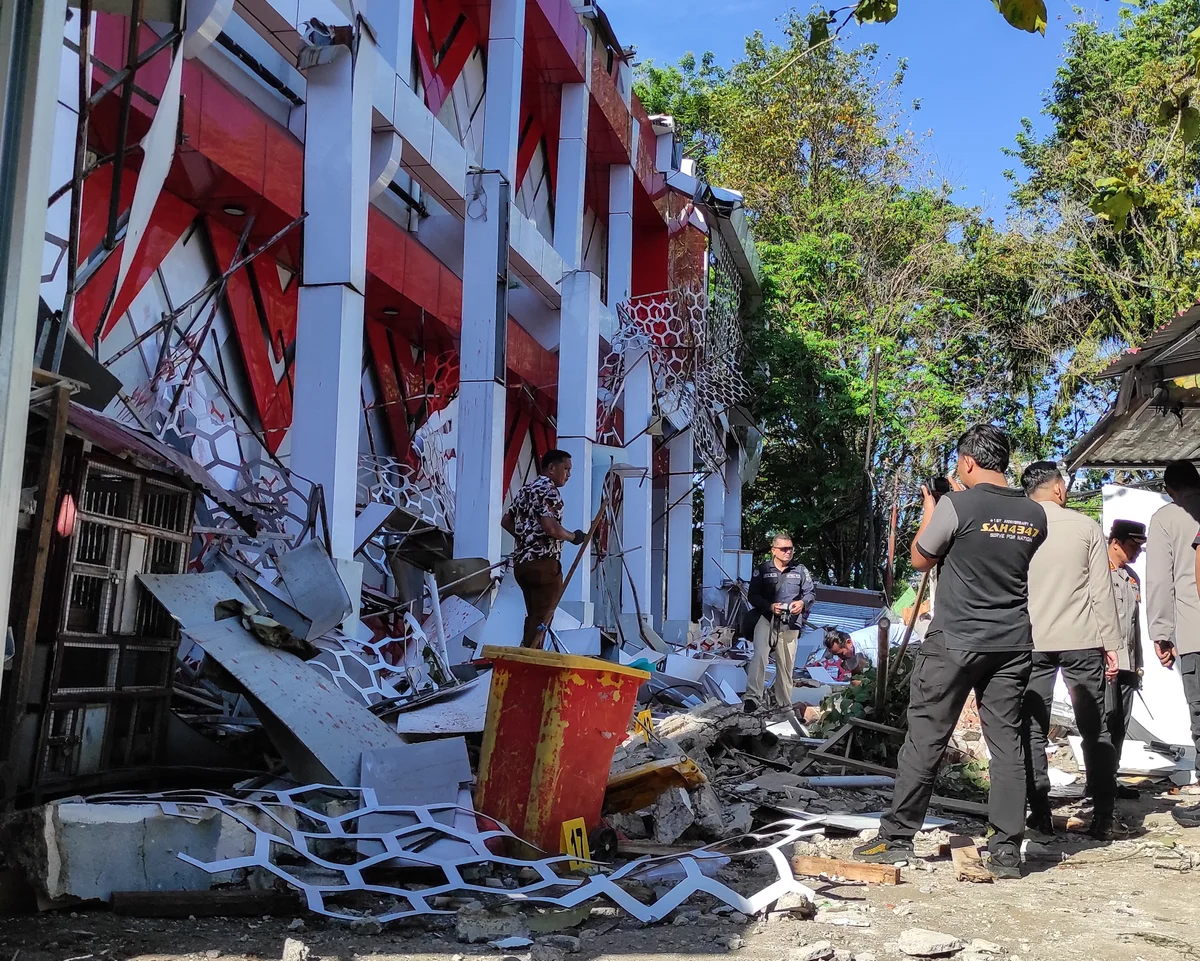
Initial reports confirmed at least one fatality — a 70-year-old woman who died after being struck by falling debris in North Sulawesi. Another person was injured, while several buildings, including homes and a church, suffered damage ranging from minor to moderate.
Images from the region showed damaged structures, cracked walls, and debris scattered across streets. Local authorities are still assessing the full extent of the destruction.
Tsunami Waves and Aftershocks
Small tsunami waves were recorded in several locations, with the highest reaching about 0.75 meters in North Minahasa. While not large enough to cause widespread destruction, the waves confirmed the risk posed by the quake.
Dozens of aftershocks followed the main tremor, the strongest measuring above magnitude 5, keeping residents on edge and prompting officials to warn people to stay away from damaged buildings and coastal areas.
Warning Lifted, But Caution Remains
Within a few hours, authorities lifted the tsunami warning after confirming that no major waves were expected. Similar reassurances were issued by monitoring agencies in neighboring countries, stating there was no ongoing threat of a destructive tsunami.
However, disaster management agencies urged continued vigilance, especially for communities living along the coast, due to the possibility of further aftershocks.
A Region Prone to Quakes
Indonesia sits along the seismically active Pacific “Ring of Fire,” making it one of the most earthquake-prone countries in the world. The region frequently experiences tremors due to the movement of tectonic plates beneath the Earth’s surface.
While this latest quake caused limited casualties compared to past disasters, it serves as a reminder of the region’s vulnerability to sudden and powerful natural events.