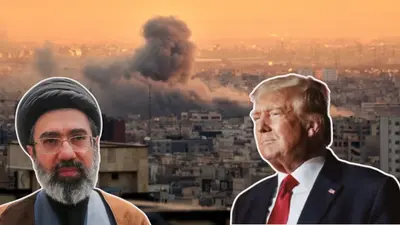







Israel came under one of the most significant Iranian missile assaults in recent weeks, as a barrage of ballistic missiles targeted central parts of the country, marking a sharp escalation in the ongoing conflict between the two regional rivals.
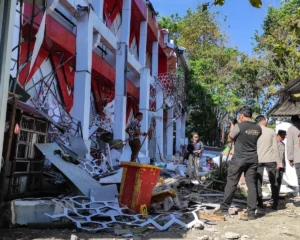
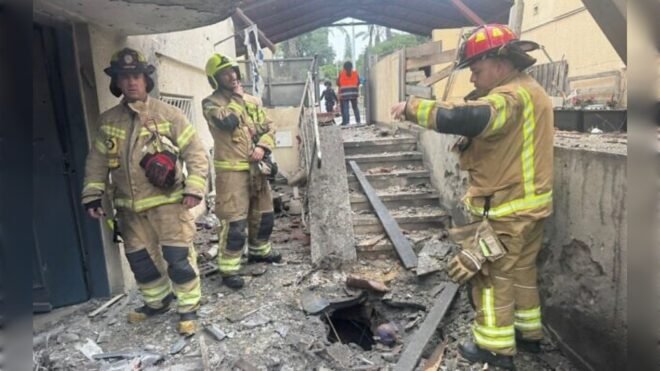
According to early reports, around 10 missiles were launched toward central Israel in a coordinated attack, with air defence systems scrambling to intercept the incoming threats. Several projectiles were successfully intercepted, but debris and shrapnel landed in populated areas, causing damage to residential buildings and sparking panic among civilians.
Emergency services were quickly deployed across affected areas. While no major fatalities were immediately reported, a number of people suffered minor injuries and anxiety-related symptoms as sirens blared and residents rushed to shelters. Authorities said rescue teams were responding to multiple impact sites across central Israel.
A Calculated Escalation
Israeli officials described the attack as part of a broader pattern of Iranian strikes aimed not only at military targets but also at disrupting civilian life. The timing of the missile launches—often during night hours or significant public occasions—has been interpreted as an attempt to maximize psychological pressure on the population.
This latest barrage is believed to be the largest launched by Iran in at least three weeks, underlining the sustained intensity of the conflict despite weeks of heavy military exchanges.
Background: A Growing Regional War
The missile attack comes amid an already volatile situation in the Middle East. The current conflict traces back to late February 2026, when Israel, reportedly with U.S. support, carried out large-scale strikes on Iranian military infrastructure and leadership targets.
Since then, Iran has responded with repeated waves of missile and drone attacks targeting Israel and other regional interests. Some of these strikes have caused casualties and damage to infrastructure, particularly in and around Tel Aviv and other central regions.
The conflict has also expanded beyond the two countries, with Iran-backed groups—including Hezbollah in Lebanon and Houthi forces in Yemen—joining hostilities, raising fears of a broader regional war.
Rising Tensions, Uncertain Outlook
Despite reports that Israeli and allied strikes have significantly weakened parts of Iran’s missile infrastructure, Tehran continues to demonstrate its ability to launch coordinated attacks. Analysts warn that while capabilities may be degraded, they are far from eliminated.
The latest assault highlights the fragile and dangerous state of the conflict, with both sides showing no immediate signs of de-escalation. International calls for restraint have so far had little impact, as the risk of further escalation—and wider regional involvement—continues to grow.
For civilians on both sides, the situation remains tense, with daily life increasingly shaped by air raid sirens, missile threats, and uncertainty over what comes next.