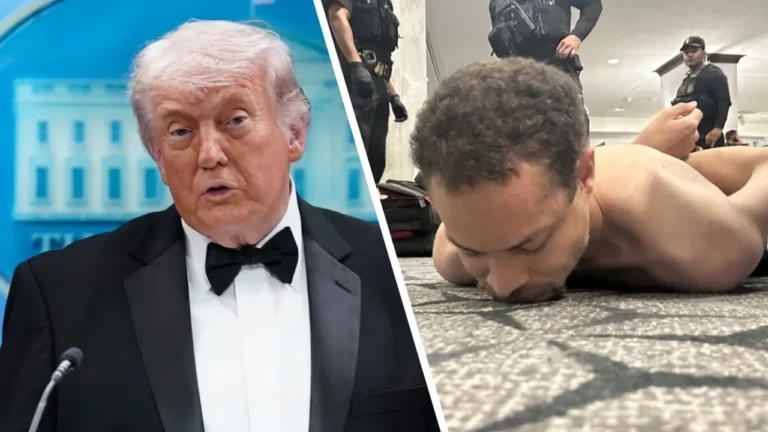


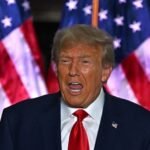

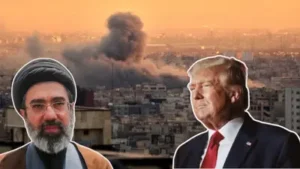
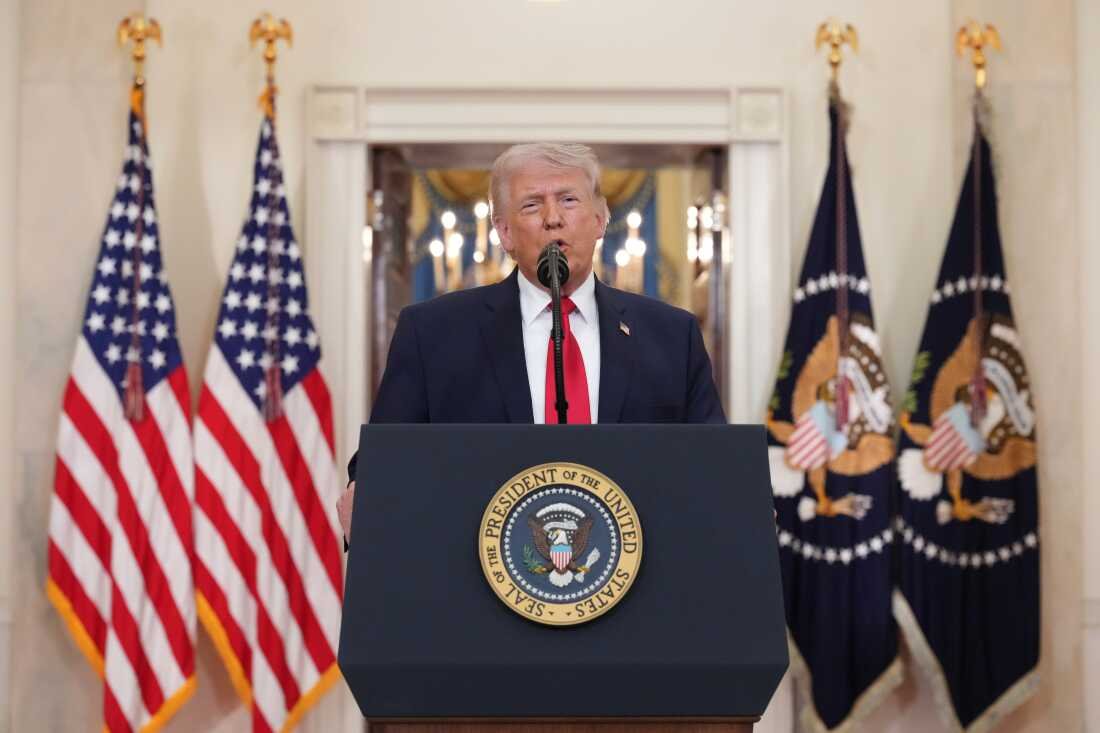
Washington, April 2, 2026 — U.S. President Donald Trump has declared that the ongoing war with Iran is approaching its final phase, but his latest address has left observers with more questions than clarity.
In a rare prime-time speech, Trump said American forces were “nearing completion” of their core objectives, pointing to what he described as decisive military success against Iran’s naval, air, and missile capabilities. He framed the campaign as a strategic move to dismantle Iran’s ability to threaten the United States and its allies.
However, even as he projected confidence, the president’s messaging appeared inconsistent — particularly on how and when the war might actually end.
A War “Almost Over” — But Still Escalating
Trump suggested the conflict, which began in late February, could conclude within weeks. At the same time, he warned that U.S. forces would intensify strikes if Iran does not agree to terms, including potential attacks on key infrastructure.
This dual approach — signaling both an imminent end and the possibility of escalation — has fueled uncertainty about Washington’s true endgame.
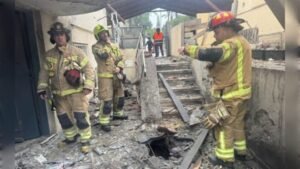
Recent reports indicate the U.S. military campaign has already caused significant damage to Iran’s defense systems, with officials claiming major progress in weakening Tehran’s operational capabilities.
Yet, no clear timeline or exit strategy was outlined.
Confusion Over Objectives
One of the most notable aspects of Trump’s speech was the apparent contradiction in his goals.
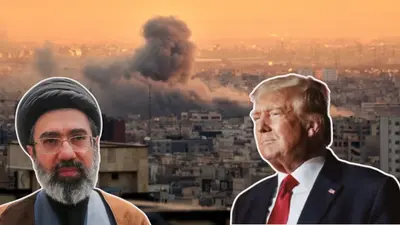
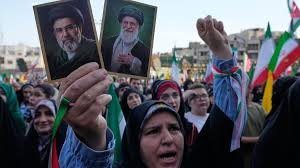
On one hand, he insisted that regime change is not the objective. On the other, the conflict has resulted in the deaths of several senior Iranian leaders, raising questions about whether leadership change is an indirect aim.
Similarly, Trump said he is open to negotiating a deal with Iran — but also suggested that a deal may not be necessary to bring the war to a close.
This lack of clarity reflects a broader pattern seen throughout the conflict, where U.S. officials have offered shifting explanations for the war’s purpose — ranging from stopping Iran’s nuclear ambitions to countering regional threats.
Strait of Hormuz: A Key Flashpoint
Another major point of ambiguity revolves around the Strait of Hormuz, a critical global oil route.
Trump has previously demanded that Iran reopen the waterway, even threatening severe retaliation if it remained blocked.
In his latest remarks, however, it was unclear whether reopening the strait remains a non-negotiable condition for ending the conflict. The closure has already disrupted global oil supplies and pushed energy prices higher, adding economic pressure worldwide.
Economic and Political Pressure at Home
Beyond the battlefield, the war is also shaping domestic politics in the United States.
Trump used his speech to reassure Americans amid rising fuel prices and market volatility. Still, analysts note that his remarks did little to ease concerns, with financial markets reacting cautiously and public support for the war showing signs of decline.
The president framed the conflict as a necessary short-term sacrifice, but critics argue that the administration has yet to clearly explain what victory looks like.
An Uncertain Endgame
Despite claims of success, key issues remain unresolved — including Iran’s nuclear capabilities and the broader stability of the region.
Experts warn that even if active fighting subsides in the coming weeks, the long-term consequences could linger, particularly if Iran retains strategic leverage or continues indirect attacks through regional allies.
For now, Trump’s message is clear in tone but unclear in detail: the war is close to ending — but how it ends, and what comes next, remains uncertain.