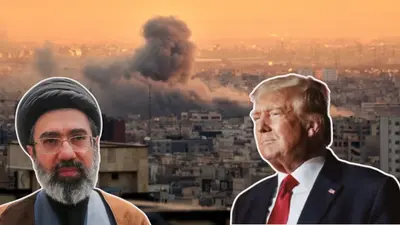





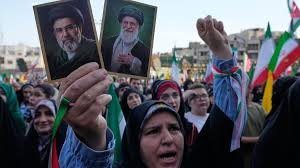


The war between the United States, Israel, and Iran has entered its 32nd day, with no immediate end in sight even as political leaders signal that the conflict may be approaching a निर्णायक phase.
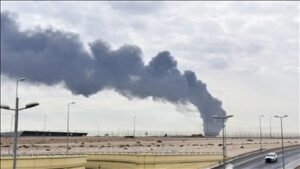
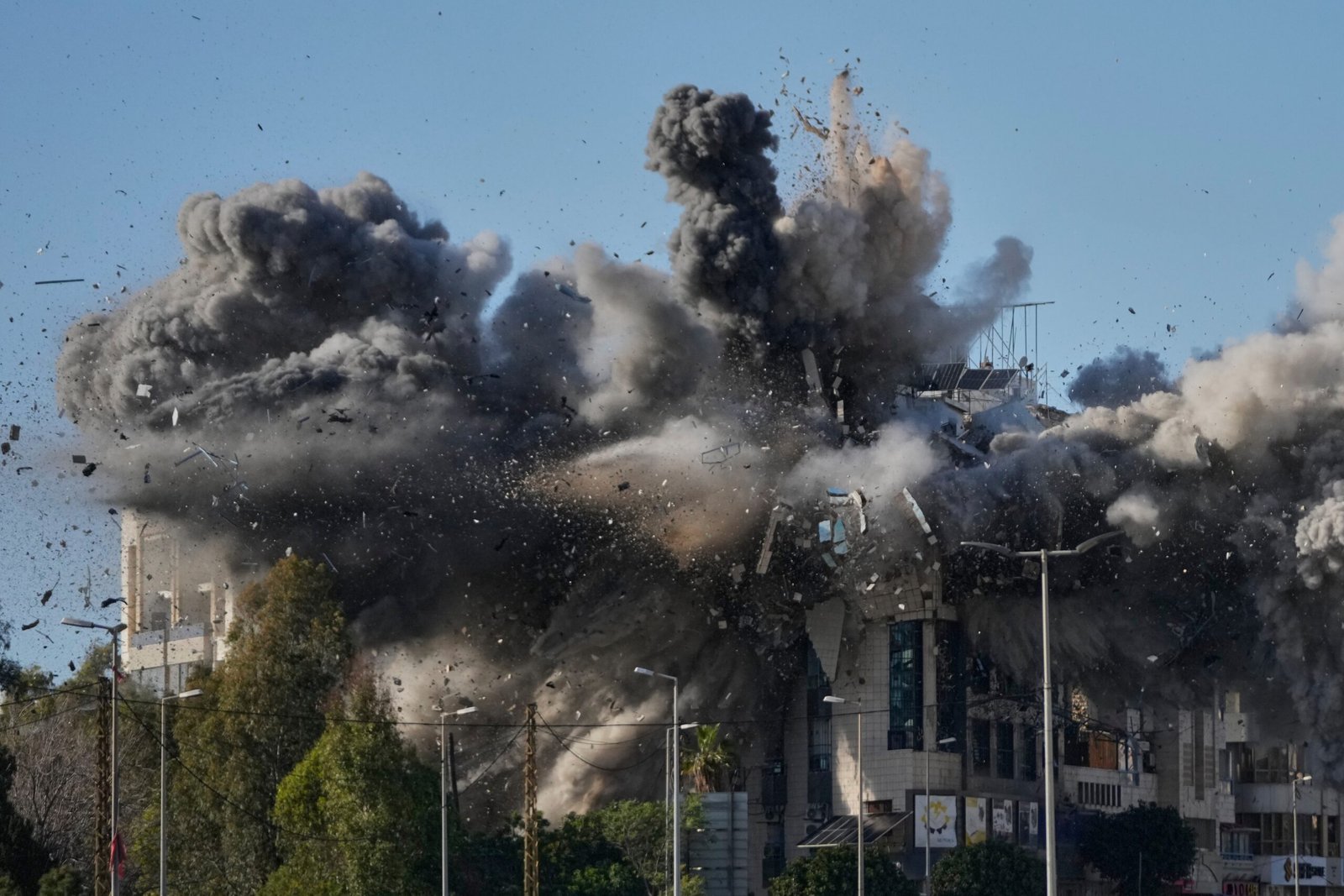
Fresh waves of airstrikes continued across Iran on Tuesday, with explosions reported in major cities including Tehran and Isfahan. The sustained bombardment highlights the intensity of a conflict that has already reshaped the security landscape of the Middle East and triggered global economic concerns.
Israel Signals Long Fight Ahead
Despite speculation about a possible end to the war, Israel has made it clear that military operations could continue for weeks. Officials say they are fully prepared—both in terms of manpower and resources—to sustain a prolonged campaign.
Israeli Prime Minister Benjamin Netanyahu has described the war as “beyond the halfway point,” suggesting that while significant progress has been made, key objectives are still being pursued.
The Israeli military echoed that stance, emphasizing it has sufficient targets, ammunition, and operational capacity to keep striking Iran if political leaders give the green light.
US Maintains Pressure, but Signals Possible Exit
On the American side, President Donald Trump has struck a more mixed tone—combining military pressure with hints that the war may not last much longer.
Trump has warned Iran of further attacks on critical infrastructure, including oil facilities, if a resolution is not reached soon. At the same time, he has suggested that the conflict could wind down within weeks, raising hopes of de-escalation.
US officials also confirmed that communication channels with Tehran remain open, largely through intermediaries, indicating that diplomatic efforts are continuing behind the scenes.
Strait of Hormuz and Global Concerns
One of the biggest flashpoints remains the Strait of Hormuz, a vital oil shipping route that has been severely affected by the conflict. Iran has reportedly considered imposing transit restrictions, further escalating tensions in global energy markets.
The disruption has already sent shockwaves through the global economy, with fears of rising oil prices and supply chain instability growing stronger.
Regional Conflict Expands
The war is no longer confined to Iran and Israel. The broader region has been pulled into the conflict, with missile and drone strikes reported in multiple countries.
Hezbollah forces in Lebanon, as well as groups aligned with Iran in Yemen, have intensified their involvement, while attacks have also affected infrastructure in Gulf nations.
This widening scope has raised concerns that the conflict could spiral into a larger regional war if not contained soon.
Rising Human and Economic Toll
The humanitarian cost continues to mount. Thousands have been killed since the war began in late February, with both military personnel and civilians among the casualties.
Meanwhile, global markets remain volatile. Energy prices, shipping routes, and regional stability are all under pressure, forcing governments worldwide to brace for prolonged disruption.