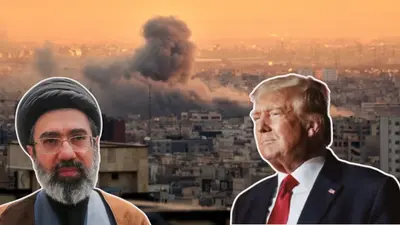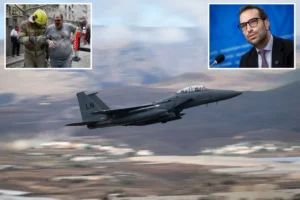





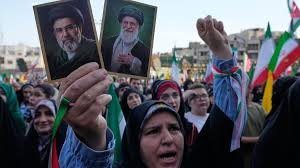

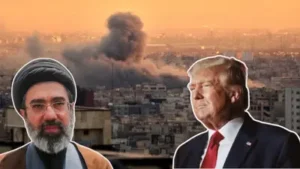
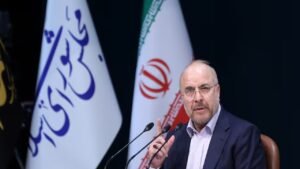
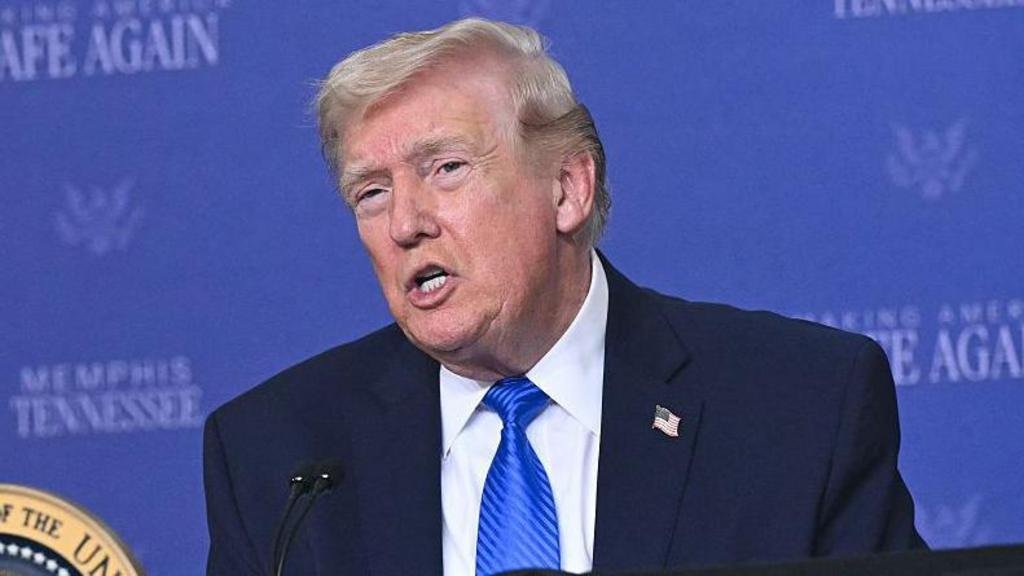
In a significant shift that could reshape the trajectory of the ongoing Iran conflict, US President Donald Trump has indicated that American forces may withdraw from Iran within weeks — even without securing a formal agreement with Tehran.
Speaking at the White House, Trump said the United States is “ready to leave very soon,” suggesting a timeline of roughly two to three weeks for ending military operations. He emphasized that a diplomatic deal with Iran is not a prerequisite for withdrawal, marking a departure from earlier expectations that negotiations would determine the war’s conclusion.
A War Nearing Its End?
The remarks come after weeks of intense fighting following the outbreak of the Iran war in late February 2026. Trump signaled that Washington’s primary objective — crippling Iran’s strategic and military capabilities, particularly its nuclear ambitions — is close to being achieved.
“We’re finishing the job,” he said, adding that the US exit could happen “maybe two weeks, maybe a little longer.”
Recent statements from US officials reinforce this stance. Trump has suggested that once Iran’s capabilities are sufficiently degraded, American forces will leave regardless of whether Tehran agrees to formal terms.
No Deal, No Problem?
Despite ongoing diplomatic backchannels, Trump made it clear that a negotiated settlement is not essential to ending the conflict. This signals a pragmatic, outcome-driven approach: achieve military goals first, then disengage.
However, this position contrasts with earlier US proposals that sought strict conditions on Iran, including limits on nuclear activity and missile programs. Iran has previously rejected such demands, calling them unrealistic.
The absence of a deal raises concerns among analysts about what comes next — particularly regarding long-term stability in the region and the risk of renewed hostilities.
Israel संकेत “Other Plans”
While Washington appears to be preparing an exit, Israel’s position is less clear. Reports suggest Israeli leadership may be considering additional military or strategic steps, even as the US signals disengagement.
Israel has been a central partner in the campaign against Iran, with shared objectives focused on neutralizing perceived threats. But any divergence in strategy — especially if the US withdraws — could create uncertainty in the region.
Regional and Global Implications
The potential US withdrawal carries significant geopolitical consequences. The conflict has already disrupted global energy markets, particularly due to tensions around the Strait of Hormuz — a critical oil transit route.
Trump has suggested that the situation could stabilize quickly after a US exit, including a possible reopening of key shipping routes.
Still, critics warn that leaving without a form