




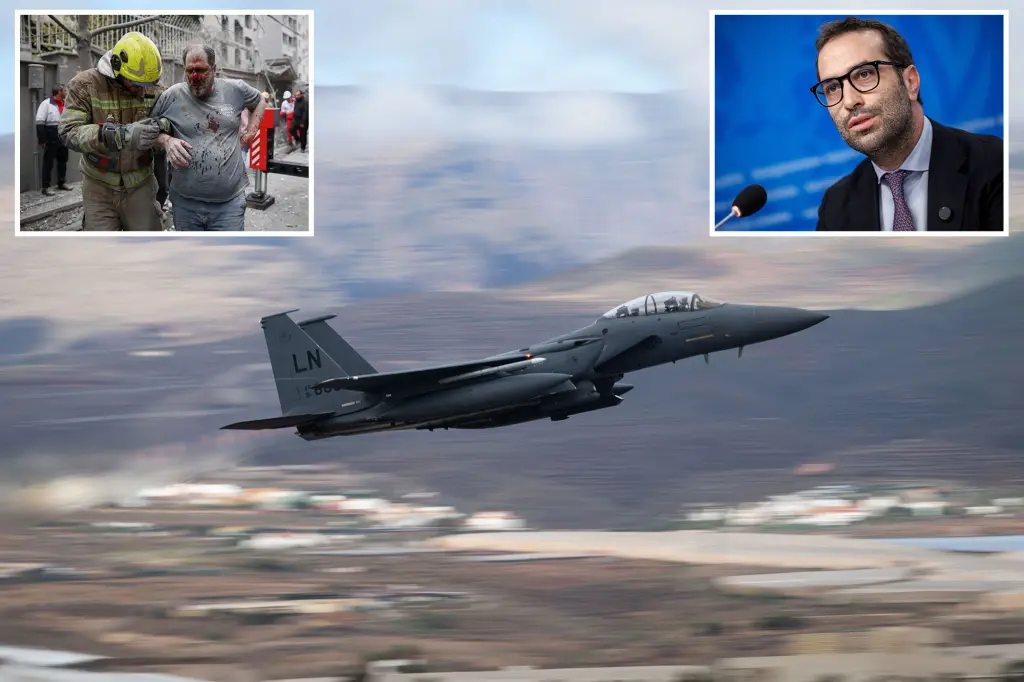
In a move that underscores growing international divisions over the ongoing conflict in the Middle East, Spain has barred United States military aircraft involved in strikes on Iran from using its airspace, while also reaffirming its refusal to allow American forces to operate from Spanish bases.
The decision, confirmed by Defence Minister Margarita Robles, signals Madrid’s firm stance against the US-led military campaign, which it has repeatedly criticised as unlawful and destabilising. Spanish authorities made it clear that neither airspace nor jointly operated military facilities would be available for any operations connected to the conflict.
A Clear “No” to Military Involvement
According to officials, the restriction applies specifically to US aircraft engaged in missions related to the strikes on Iran. While emergency exceptions may be considered, routine transit and operational use have effectively been blocked.
This latest step builds on an earlier decision by the government of Prime Minister Pedro Sánchez to deny Washington access to key military bases in Rota and Morón—facilities jointly used by both countries under defence agreements.
Spain has consistently maintained that it will not support military actions that lack a clear legal mandate under international law. Officials have described the conflict as “unjust” and warned of the broader risks it poses to global stability.
Growing Rift with Washington
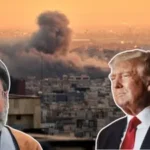
The move is likely to further strain relations between Madrid and Washington. The United States, under President Donald Trump, has been leading military operations against Iran alongside allies, prompting criticism from several quarters.
Spain, however, has emerged as one of the most outspoken European critics of the campaign. Its refusal to cooperate militarily—combined with the airspace ban—has highlighted divisions within NATO and the European Union over how to respond to the crisis.
Reports suggest that US military flights will now have to reroute around Spanish territory, complicating logistics for operations in the region.
Part of a Broader Anti-War Stance
Madrid’s position is consistent with its broader policy since the conflict began in late February 2026. The Spanish government has repeatedly called for de-escalation and a return to diplomatic negotiations, distancing itself from allies that have offered varying degrees of support to the US.
The war itself—triggered by coordinated US and Israeli strikes on Iranian targets—has rapidly escalated, affecting global security and energy markets while drawing sharp international reactions.
What Comes Next
While Spain has stressed that its actions are rooted in legal and ethical concerns rather than hostility toward the United States, the decision adds another layer of complexity to already tense transatlantic relations.
With the conflict showing little sign of slowing, Spain’s stance may encourage further debate within Europe over the legality and consequences of the ongoing military campaign—and whether more countries will follow Madrid’s lead in distancing themselves from the war.