





As the conflict between the United States and Iran drags into its second month, a new dynamic is emerging behind closed doors: key Gulf nations are privately encouraging Washington to stay the course — and go even further.
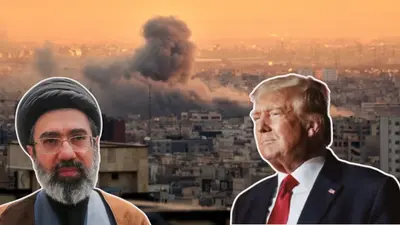
According to officials familiar with the discussions, countries like Saudi Arabia and the United Arab Emirates are pressing U.S. President Donald Trump not to settle for a quick ceasefire. Instead, they want the military campaign to continue until Iran is significantly weakened — or even fundamentally changed.
From Early Doubts to Strategic Opportunity
This stance marks a notable shift.
At the outset of the war, several Gulf states were uneasy. They complained about the lack of advance warning before U.S. and Israeli strikes and feared the conflict could spiral into a broader regional crisis. But as the war has unfolded, some of those same countries now see a rare opportunity.
Behind the scenes, officials argue that Iran’s leadership has not yet been weakened enough. Ending the war too early, they believe, could allow Tehran to regroup and continue its regional influence. Instead, they are urging Washington to capitalize on the moment and push for a more decisive outcome.
Pressure on Trump Amid Mixed Signals
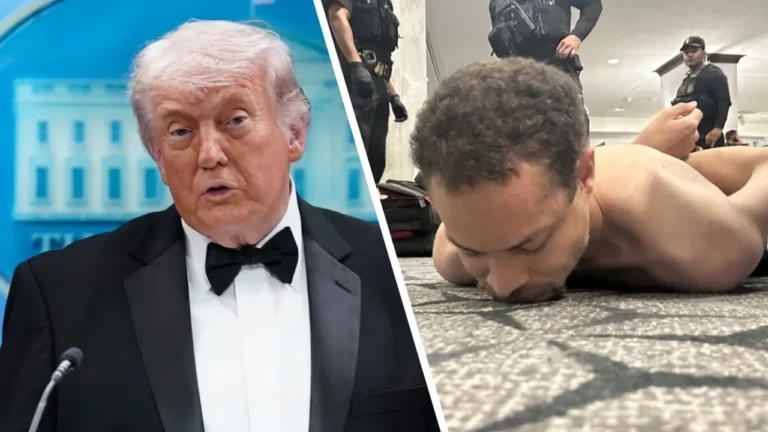
The private lobbying comes at a time when Trump himself appears torn between escalation and diplomacy.
On one hand, the U.S. has intensified its military campaign, targeting key Iranian infrastructure and strategic sites. On the other, Washington has also signaled openness to negotiations, suggesting a possible path toward de-escalation.
This balancing act reflects the difficult choices facing the White House: continue a costly and unpredictable war, or risk ending it without achieving long-term strategic goals.
Divisions Within the Gulf
Not all Gulf nations are aligned.
While Saudi Arabia and the UAE are among the strongest voices pushing for continued military pressure, others in the region are more cautious. Some fear that prolonging the conflict could backfire, exposing their own economies and infrastructure to retaliation.
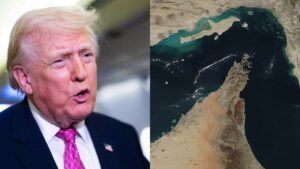
The region’s heavy dependence on oil exports and critical shipping routes like the Strait of Hormuz makes it especially vulnerable. Any escalation could disrupt global energy supplies and trigger wider economic consequences.
A War With Global Stakes
The stakes extend far beyond the Middle East.
The conflict has already driven up oil prices, disrupted shipping lanes, and raised concerns about global economic stability. Meanwhile, continued fighting risks drawing in more regional players, potentially widening the war.
For Gulf allies, however, the calculation is clear: a decisive blow to Iran now may prevent a longer and more dangerous conflict in the future.
What Comes Next
As pressure builds from allies and the battlefield situation continues to evolve, Trump faces a defining decision.
Should he push forward with a more aggressive campaign, as some Gulf leaders urge? Or pivot toward diplomacy and attempt to end the conflict before it escalates further?
For now, the answer remains uncertain — but one thing is clear: the outcome of this war could reshape the balance of power in the Middle East for years to come.