








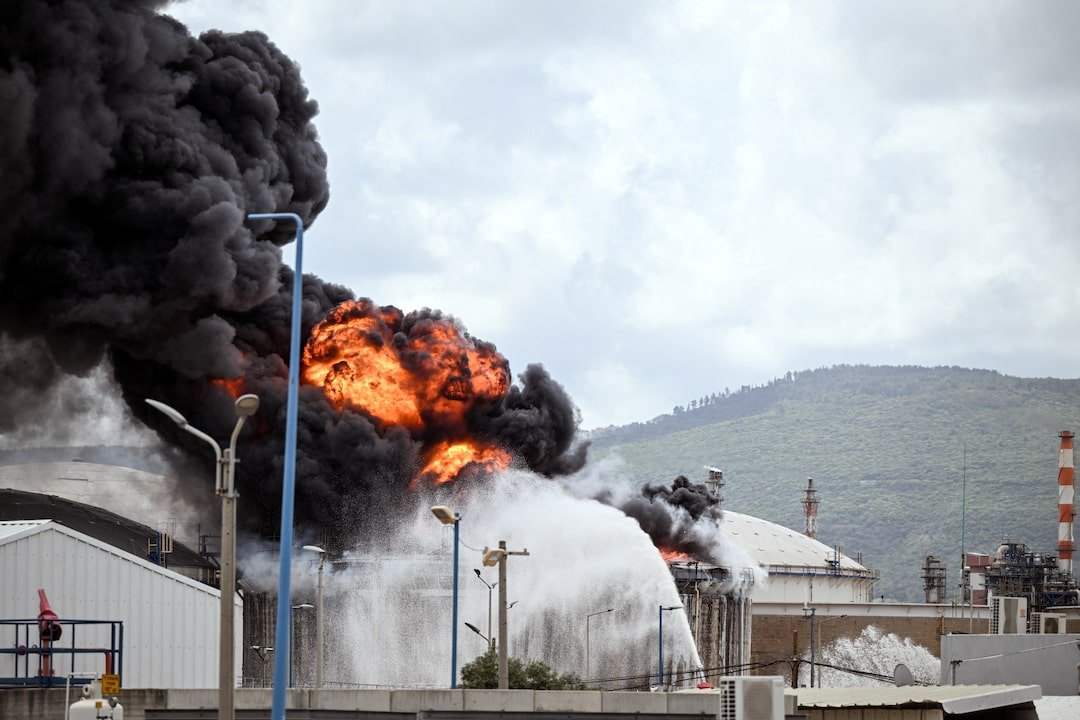
Tensions in the Middle East escalated sharply this week after a fully loaded Kuwaiti oil tanker was struck in an apparent Iranian attack near Dubai’s port, triggering a fire and raising concerns about a potential oil spill in the region.
According to officials and multiple reports, the tanker—identified as Al-Salmi—was anchored near Dubai when it was hit, likely by a drone. The impact caused significant damage to the vessel’s hull and ignited a fire onboard, prompting an immediate emergency response.
Authorities confirmed that firefighting teams managed to bring the blaze under control after several hours. Despite the severity of the incident, all crew members were reported safe, with no injuries recorded.
Spill Risk Sparks Alarm
The tanker was carrying an estimated 2 million barrels of crude oil—making the situation particularly alarming from an environmental perspective. Kuwait Petroleum Corporation warned that the structural damage to the ship could lead to an oil spill in nearby waters, although the full extent of the risk is still being assessed.
Marine authorities and emergency teams are now closely monitoring the vessel, working to prevent any leakage that could harm marine ecosystems and disrupt shipping lanes in one of the world’s busiest oil transit corridors.
Part of a Wider Regional Escalation
The attack comes amid an intensifying conflict involving Iran, the United States, and its allies, which has increasingly spilled into critical maritime routes across the Gulf. In recent weeks, several commercial vessels have been targeted, highlighting growing risks to global energy supply chains.
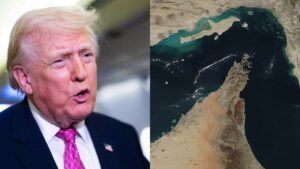
Experts say the latest strike underscores the vulnerability of oil infrastructure in the region, particularly around the Strait of Hormuz—a vital chokepoint through which a significant portion of the world’s oil supply passes.
Global Impact Already Emerging
Markets reacted swiftly to the news, with oil prices showing signs of volatility as fears of supply disruptions resurfaced. The damaged tanker alone was reportedly carrying crude worth hundreds of millions of dollars, underlining the economic stakes tied to such incidents.
The broader conflict has already led to a sharp rise in oil prices and increased uncertainty in global markets, with analysts warning that continued attacks on energy infrastructure could deepen economic instability worldwide.
Uncertain Days Ahead
While no group has officially claimed responsibility, the strike is widely believed to be part of Iran’s broader retaliation strategy in the ongoing regional conflict. Governments across the Gulf are now on heightened alert, with maritime security emerging as a critical concern.
As investigations continue and damage assessments unfold, the incident serves as a stark reminder of how quickly geopolitical tensions can threaten not only regional stability but also the global economy and environment.