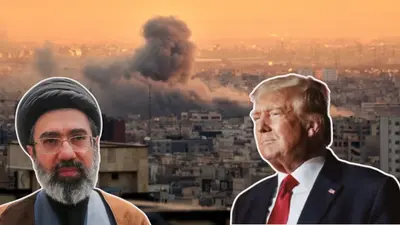

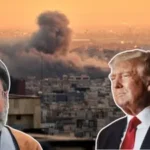



Washington, D.C.: In a significant shift that could reshape the trajectory of the ongoing Iran conflict, U.S. President Donald Trump is reportedly open to ending the war without first securing the reopening of the strategically vital Strait of Hormuz, according to a report by The Wall Street Journal.
Citing senior administration officials, the report suggests that Trump has told aides he is willing to wind down military operations even if the key global oil route remains largely closed.
A Strategic Recalibration
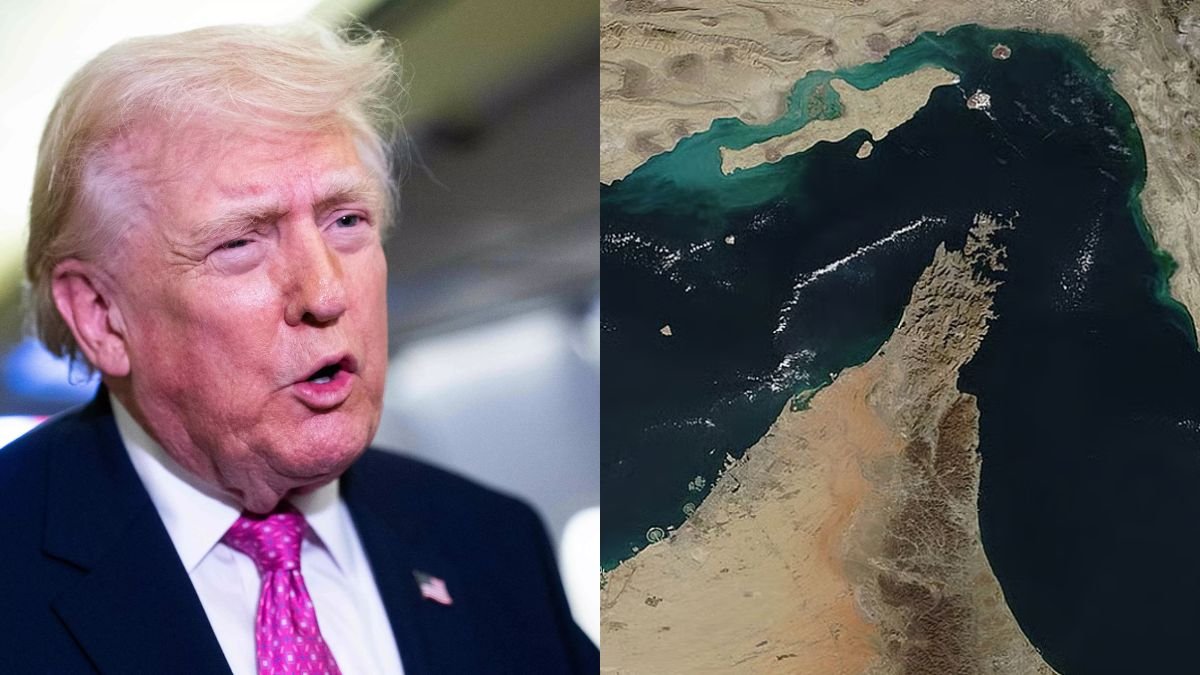
The Strait of Hormuz, a narrow but crucial waterway through which roughly one-fifth of the world’s oil supply passes, has been at the center of the conflict. Since the escalation of hostilities between the United States and Iran, the strait has faced severe disruptions, contributing to global economic uncertainty and soaring energy prices.
Until recently, reopening the strait was seen as a core objective of the U.S. military campaign. However, the latest developments indicate a possible recalibration of priorities within the Trump administration.
Officials familiar with internal discussions say the complexity and risks involved in reopening the strait militarily may extend the conflict beyond the administration’s intended timeline. As a result, ending the war sooner—while postponing the issue of maritime access—appears to be gaining traction.
Not a Primary Objective
The shift in thinking has also been echoed publicly. At a recent White House briefing, officials clarified that restoring full passage through the Strait of Hormuz is not among the central goals of the operation. Instead, the focus remains on weakening Iran’s military capabilities, particularly its naval forces and missile systems, and preventing the country from advancing its nuclear program.
This signals a broader change in strategy—from securing infrastructure and trade routes to achieving more limited military objectives before disengagement.
Market Reactions
Global markets reacted swiftly to the reports. U.S. stock futures rose on expectations of de-escalation, while oil prices retreated amid speculation that the war premium could ease if hostilities wind down.
However, analysts caution that even if the conflict ends, unresolved disruptions in the Strait of Hormuz could continue to strain global energy supplies. The closure has already triggered record spikes in oil prices and heightened fears of inflation worldwide.
Uncertain Path Ahead
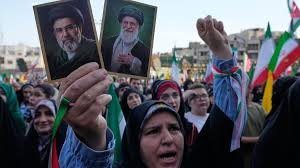
Despite indications of a possible exit strategy, uncertainties remain. Iran has consistently maintained control over the strait during the conflict and has linked any reopening to broader geopolitical conditions.
Ending the war without resolving the Hormuz issue could leave a fragile status quo in place—one where military tensions ease, but economic and logistical challenges persist.
For now, Trump’s reported willingness to decouple the war’s end from the reopening of the strait underscores the growing pressure to bring the conflict to a close, even if key strategic objectives remain unmet.