








The International Atomic Energy Agency has confirmed that Iran’s Khondab heavy water production facility has been severely damaged and is no longer operational following a recent Israeli airstrike, marking a significant escalation in tensions across West Asia.
Facility rendered inoperable
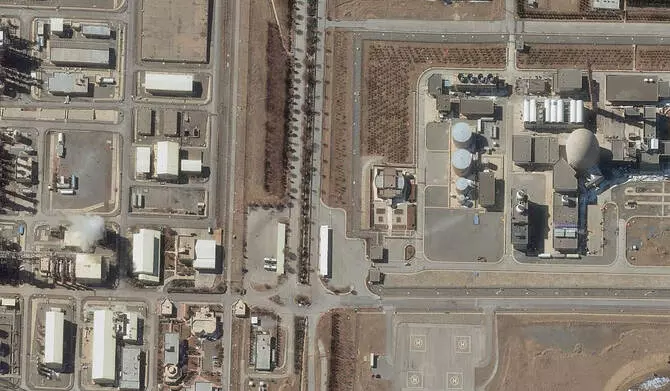
According to the IAEA, the Khondab site—located near the central Iranian city of Arak—sustained “severe damage” after being targeted on March 27. The agency’s assessment was based on satellite imagery and its technical understanding of the facility.
Officials said the plant is now effectively out of service. The facility, often associated with Iran’s nuclear programme, produces heavy water—a material used in certain types of nuclear reactors that can potentially generate plutonium.
No radiation risk reported
Despite the scale of the damage, the IAEA emphasized that there was no immediate nuclear safety threat. The agency confirmed that the Khondab installation did not contain any declared nuclear material at the time of the strike, meaning there is no risk of radioactive contamination.
This distinction is crucial, as attacks on active nuclear facilities can raise fears of environmental and public health disasters.
Israel defends strike
The Israel Defense Forces acknowledged carrying out the strike, describing the Khondab facility as a key component of Iran’s nuclear infrastructure.
Israeli officials have long argued that such sites could be used to support the production of weapons-grade plutonium, even though Iran has maintained that its nuclear programme is for peaceful purposes.
The military also claimed that reconstruction work had been underway at the site following earlier attacks, prompting renewed action as part of a broader operation reportedly aimed at limiting Iran’s nuclear capabilities.
Part of wider regional escalation
The strike on Khondab comes amid an intensifying conflict involving Israel, Iran, and allied forces across the region. In recent weeks, multiple nuclear-related and strategic sites in Iran have been targeted, while Tehran has responded with missile and drone attacks.
The situation has heightened global concern over the risk of further escalation, particularly given the sensitive nature of nuclear facilities.
International scrutiny grows
The Khondab complex—also known as part of the Arak nuclear programme—has long been under international scrutiny due to its potential role in producing plutonium. While modifications to the reactor were part of earlier nuclear agreements, questions have persisted over compliance and reconstruction efforts.
With the latest strike rendering the facility inoperable, attention is now turning to how Iran may respond and whether diplomatic efforts can prevent further deterioration in the region’s security landscape.