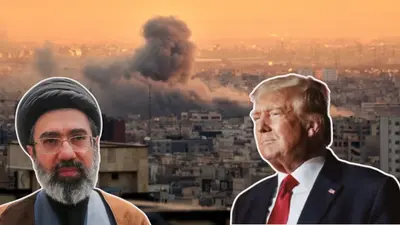




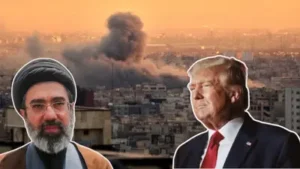
In the midst of the escalating Iran–Israel conflict, Iran’s Supreme Leader Mojtaba Khamenei has issued a new message to regional allies, days after former U.S. President Donald Trump publicly cast doubt on whether he is even alive.
The development adds another layer of uncertainty to a war already marked by intense military exchanges, leadership upheaval, and conflicting narratives from both sides.
A Message Amid Silence
According to Iranian state media, Khamenei delivered a written message expressing gratitude to Iraq for its continued support during the ongoing conflict. However, notably, the message was not accompanied by any video or public appearance.
This absence has fueled speculation about his condition, as he has remained out of public view for days. The statement nonetheless signaled that Iran’s leadership is attempting to project continuity and maintain regional alliances despite the turmoil.
Trump’s Claims Add to Uncertainty
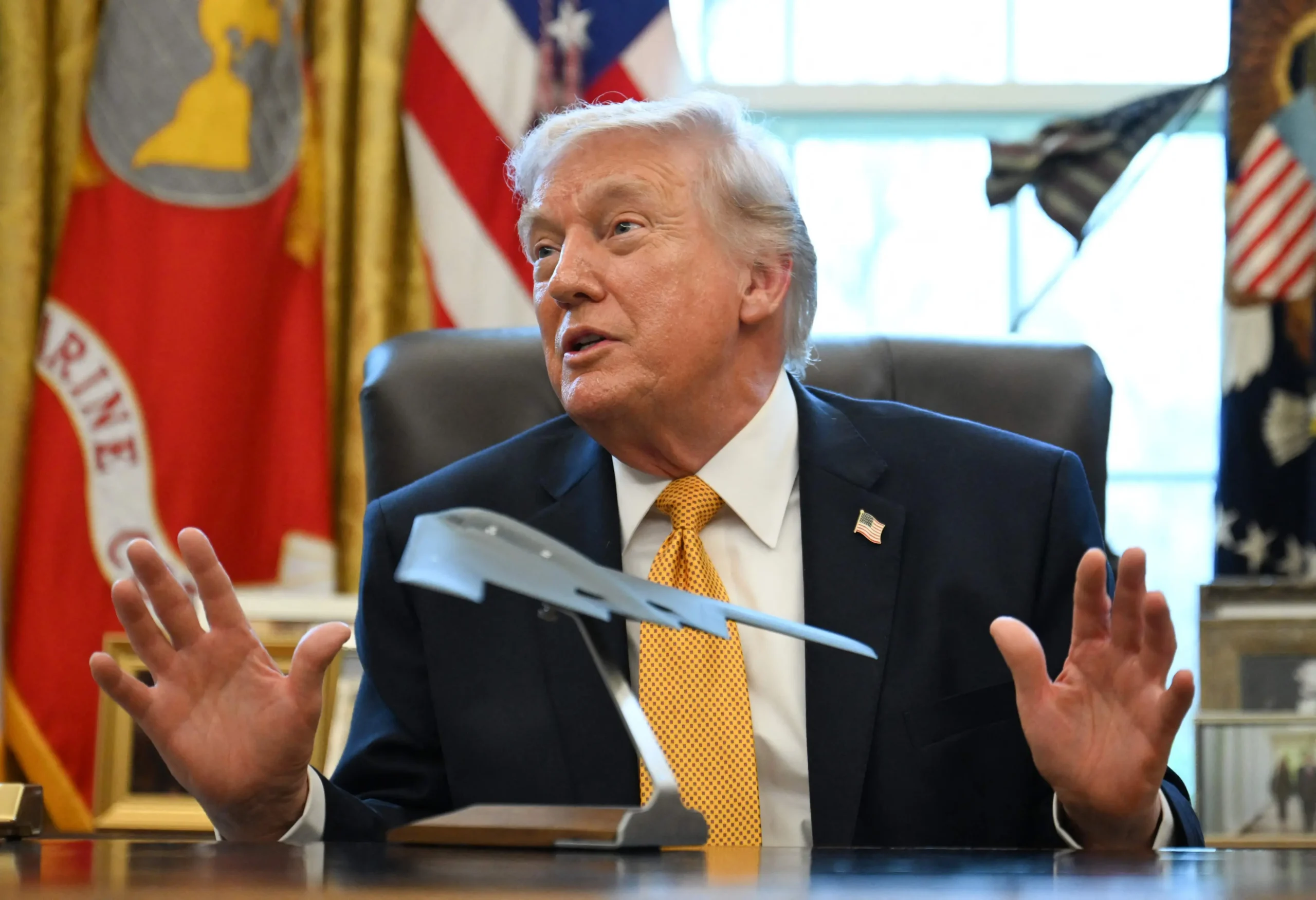
Just days before the message surfaced, Trump told reporters he was unsure whether Khamenei was alive, saying no one had been able to confirm his status.
In subsequent remarks, Trump went even further, suggesting that Iran’s new leader could be “dead or in extremely bad shape,” pointing to the lack of public appearances as evidence.
More recent statements from the U.S. side have slightly softened that stance, with Trump indicating Khamenei may still be alive but possibly “seriously wounded.”
The conflicting claims highlight the fog of war surrounding Iran’s leadership after a series of high-profile strikes.
Leadership in Question After Major Strikes
The current crisis follows a dramatic escalation that began in late February 2026, when U.S. and Israeli strikes reportedly killed Iran’s long-time Supreme Leader Ali Khamenei, leading to Mojtaba Khamenei’s rapid rise to power.
Since then, the region has witnessed sustained airstrikes, missile attacks, and growing fears of a broader war involving multiple countries. Civilian casualties and infrastructure damage have been reported across several areas, underscoring the conflict’s widening impact.
Iran Pushes Back Against Speculation
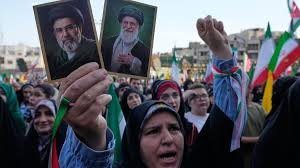
Iranian officials have consistently rejected claims about instability in leadership, insisting that the government remains intact and functional despite the ongoing conflict and leadership transition.
The latest message attributed to Khamenei appears to be part of that effort—aimed at reassuring allies and countering narratives that the country’s leadership has been weakened.
A War Defined by Information Battles
Beyond military operations, the Iran–Israel war is increasingly being shaped by competing information campaigns.
On one side, U.S. officials continue to question the health and authority of Iran’s leadership. On the other, Tehran is attempting to demonstrate resilience and continuity through official statements and diplomatic messaging.
The lack of verifiable public appearances by Khamenei has left analysts divided, with some suggesting he may be deliberately avoiding exposure for security reasons, while others see it as a sign of internal instability.
What Comes Next
As the conflict drags on, the uncertainty surrounding Iran’s top leadership could have significant implications for both military strategy and diplomatic efforts.
With reports of possible peace talks emerging even as fighting continues, the question of who is truly in control in Tehran may become increasingly critical.
For now, Mojtaba Khamenei’s message serves as both a signal of continuity—and a reminder of the many unanswered questions at the heart of this rapidly evolving conflict.