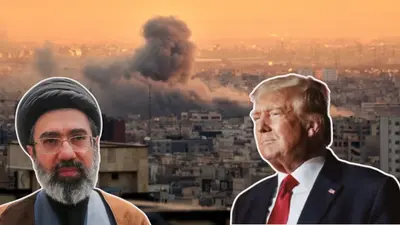




As the month-long conflict involving Iran, the United States, and Israel continues to escalate, key regional powers have gathered in Pakistan in a renewed push for peace—though prospects for a breakthrough remain uncertain.
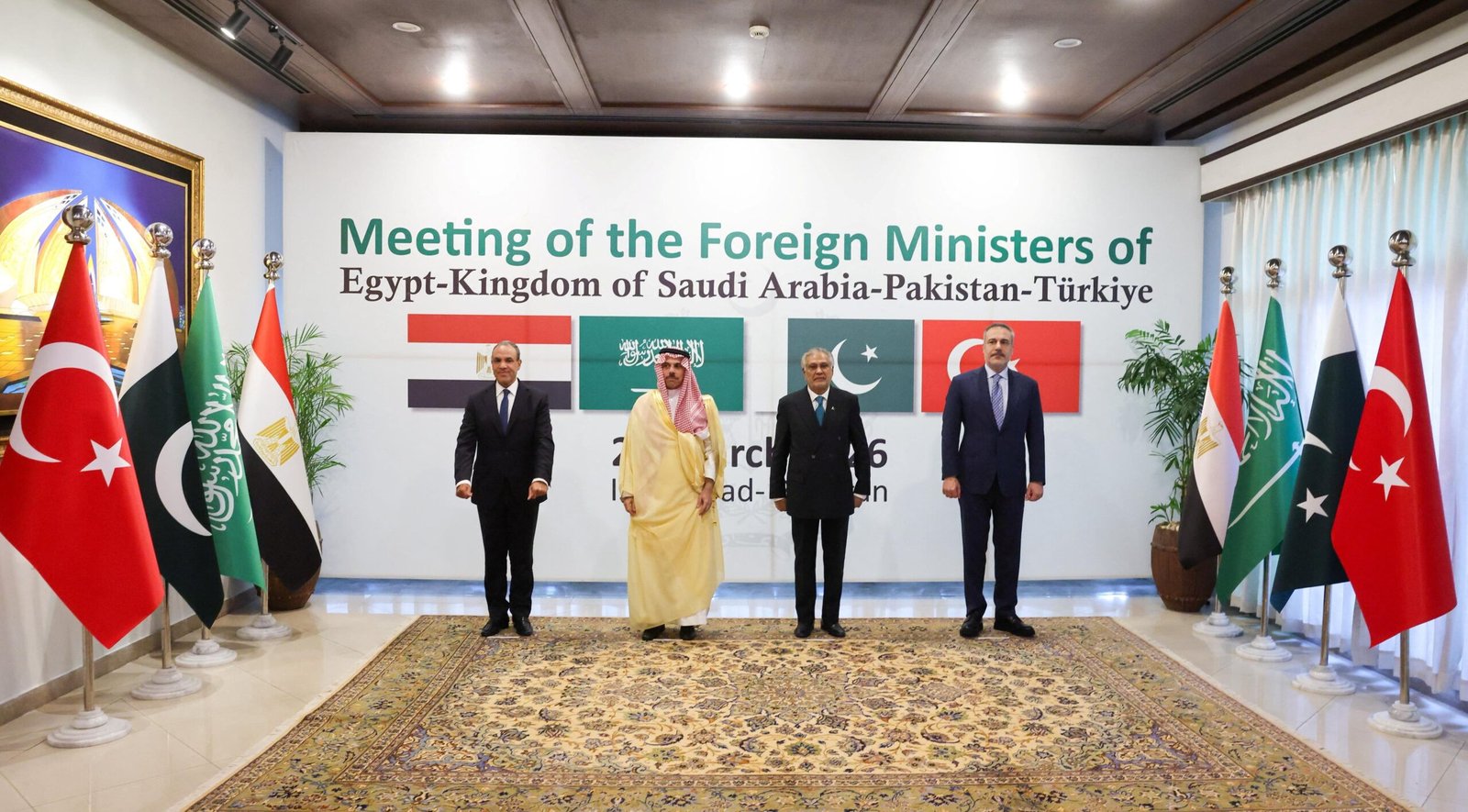
Diplomats from countries including Saudi Arabia, Turkey, and Egypt convened in Islamabad over the weekend, positioning Pakistan as a central mediator in one of the most volatile crises in the Middle East in recent years. The talks are aimed at de-escalating hostilities and exploring a pathway toward a ceasefire, even as fighting rages on across the region.
Diplomacy Amid Ongoing Conflict
Despite the diplomatic push, the situation on the ground remains tense. U.S. and Israeli forces have continued airstrikes targeting Iranian positions, while Tehran has retaliated with missile and drone attacks, expanding the conflict’s reach across multiple countries.
The war, which began in late February following coordinated strikes on Iran, has already claimed thousands of lives and disrupted regional stability. Key infrastructure and civilian areas have been affected, adding urgency to calls for a ceasefire.
Pakistan’s leadership has emphasized dialogue as the only viable solution. Officials say the current round of talks is focused not only on halting military action but also on addressing broader concerns such as regional security and economic stability.
Focus on Strategic Trade Routes
One of the central issues under discussion is the reopening and security of the Strait of Hormuz, a critical global shipping route through which a significant portion of the world’s oil supply passes. The conflict has severely disrupted maritime traffic, raising fears of global economic repercussions.
Proposals reportedly include forming a multinational mechanism involving regional powers to ensure safe passage for oil shipments. Some ideas even suggest adopting a structured fee system similar to the Suez Canal model to manage traffic through the strait.
Iran’s Tough Stance Complicates Talks
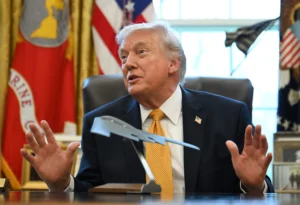
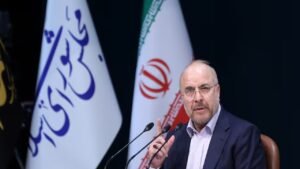
However, diplomatic progress faces major hurdles. Iran has taken a firm stance, demanding an end to military strikes and stronger guarantees before engaging in meaningful negotiations. It has also dismissed certain proposals as biased, particularly those perceived to favor U.S. interests.
Iranian officials have issued strong warnings against any potential escalation, especially the possibility of U.S. ground operations, signaling that such moves could further inflame the conflict and derail peace efforts.
Pakistan’s Delicate Balancing Act
For Pakistan, hosting the talks represents both an opportunity and a challenge. The country has maintained a careful diplomatic balance—engaging with Iran while also preserving ties with the United States and Gulf nations.
By bringing together influential regional players, Islamabad hopes to create a platform for indirect dialogue between the main adversaries. Officials have even indicated willingness to host direct U.S.-Iran negotiations if conditions allow.
Yet, analysts note that Pakistan’s mediation efforts are under pressure, especially as military actions continue to escalate and trust between the warring sides remains low.
Uncertain Path Ahead
While the Islamabad talks signal a renewed diplomatic push, expectations remain cautious. With neither side showing signs of backing down and core disagreements unresolved, any immediate breakthrough appears unlikely.
Still, the gathering reflects growing international concern over the widening conflict and its global implications—from energy security to regional stability. For now, diplomacy continues alongside warfare, with the hope that sustained dialogue may eventually open the door to peace.