







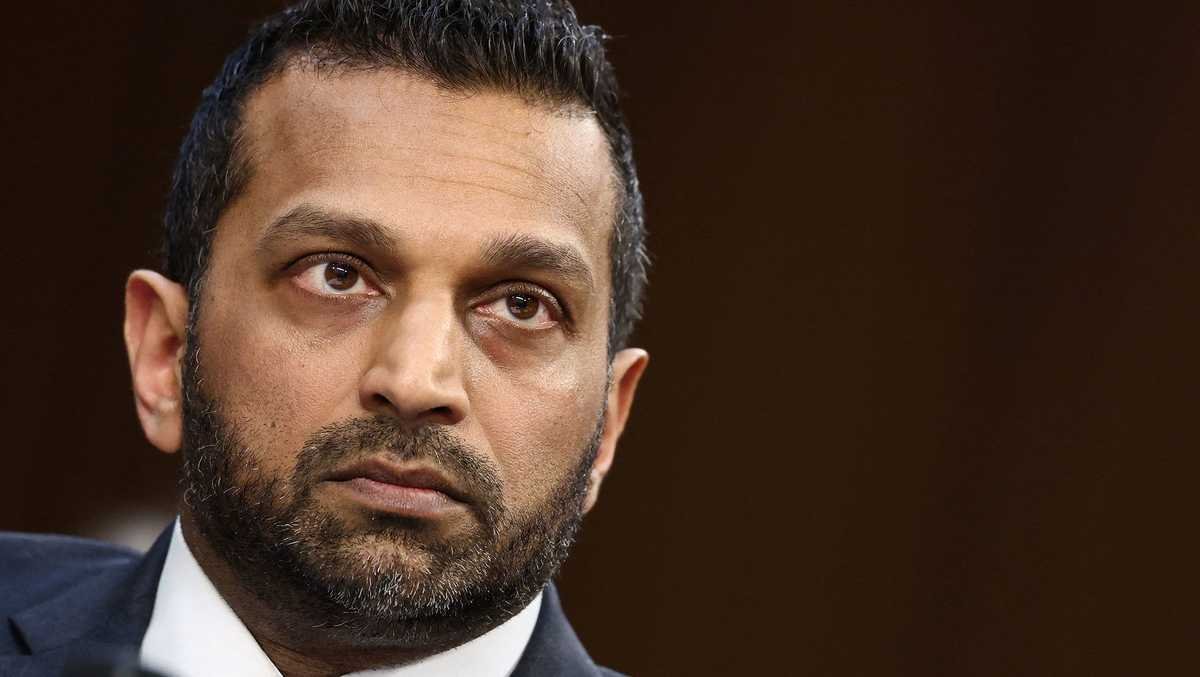
In a fresh sign that the ongoing geopolitical tensions surrounding the Iran conflict are increasingly spilling into cyberspace, a group of hackers believed to be linked to Iran has claimed responsibility for breaching the personal email account of FBI Director Kash Patel.
The group, calling itself the “Handala Hack Team,” announced the alleged cyberattack publicly, stating that Patel had been added to its list of high-profile targets. According to reports, the hackers released a cache of personal material online, including photographs and documents they claim were taken from Patel’s inbox.
What Was Compromised
Initial reports suggest that the breach involved Patel’s personal email account, not official government systems. The hackers claimed to have accessed and published items such as:
- Personal photographs
- A résumé and other documents
- Emails dating back several years
Some of the leaked material reportedly dates from as far back as the early 2010s, indicating that the compromised data may not be linked to Patel’s current role as FBI director.
The FBI has acknowledged the incident, describing it as the work of “malicious actors,” while emphasizing that the exposed information appears to be old and unrelated to government operations.
Who Are the Hackers?
The group behind the attack, Handala Hack Team, is widely believed by cybersecurity analysts to have links to Iranian state-backed cyber networks. It has previously claimed responsibility for cyberattacks targeting U.S. institutions and companies.
In a statement posted online, the group appeared to mock the FBI chief, declaring that he would now “find his name among the list of successfully hacked victims.”
Experts say such attacks are often part of broader psychological and information warfare campaigns designed to embarrass high-ranking officials and send political messages.
A Wider Cyber Conflict
The incident comes at a time of heightened tensions between Iran and Western nations, where cyber warfare has emerged as a key battleground alongside traditional military operations.
Security analysts believe this breach fits into a wider pattern of retaliatory cyber activity, as Iran-linked groups increasingly target prominent individuals and organizations in the United States.
Recent intelligence assessments have already warned that Iran and affiliated hacker groups may escalate cyber operations in response to geopolitical developments, often using proxy groups like Handala to maintain plausible deniability.
Concerns Over Security
While officials have downplayed the national security implications—given that no classified systems were reportedly involved—the breach still raises concerns about the vulnerability of personal accounts used by senior government figures.
Cybersecurity experts note that even non-official data can be exploited for:
- Social engineering attacks
- Reputation damage
- Intelligence gathering
The public release of personal material, including photos, also highlights the growing use of “doxing” tactics—where hackers expose private information to embarrass or intimidate targets.
What Happens Next
Authorities in the United States are continuing to investigate the breach and assess its full impact. The FBI has not confirmed the authenticity of all leaked materials but has taken steps to mitigate potential risks.
Meanwhile, the incident underscores a broader reality: modern conflicts are no longer confined to battlefields. As tensions rise globally, cyberattacks are becoming an increasingly powerful—and visible—tool in international confrontations.