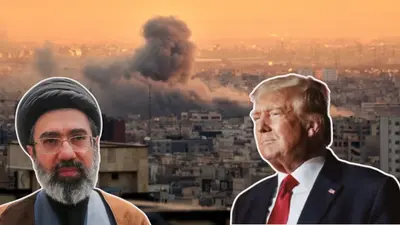





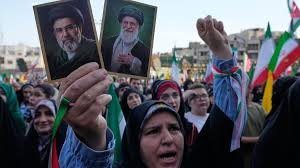

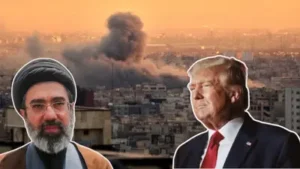
Israel launched a fresh wave of airstrikes on Iran and Lebanon on Friday, escalating tensions in an already volatile Middle East just hours before a scheduled United Nations Security Council meeting.
According to reports, the latest attacks targeted locations deep inside Tehran, signaling Israel’s intent to intensify pressure on Iran’s military and weapons infrastructure. The strikes come as the conflict enters its fourth week, with no clear sign of diplomatic progress between the opposing sides.
Strikes Hit Tehran as Conflict Deepens
Israeli officials said the operation was part of a broader effort to weaken Iran’s weapons production capabilities. Explosions were reported in central areas of the Iranian capital, though details about the specific targets and damage remain limited.
The escalation follows earlier Israeli statements indicating plans to increase attacks on Iranian military assets. Analysts say the move reflects growing frustration over stalled negotiations and continued Iranian missile activity across the region.
At the same time, air raid sirens sounded across parts of Israel, as Iranian missiles and drones continued to target Israeli territory and neighboring Gulf countries.
Lebanon Also Under Fire
In Lebanon, smoke was seen rising over several المناطق, including near Beirut, as Israeli forces carried out additional strikes. While Israeli authorities did not immediately confirm specific targets in the Lebanese capital, the attacks are widely believed to be linked to ongoing clashes with Hezbollah.
The Iran-backed group has been launching rockets into northern Israel in solidarity with Tehran, further widening the conflict. Israeli officials have repeatedly warned that Hezbollah’s involvement would trigger a broader military response.
Recent reports indicate that Israel has already expanded ground operations in southern Lebanon, aiming to push Hezbollah fighters away from its northern border.
Regional Conflict Spirals
The current escalation is part of a wider war that began on February 28, when coordinated U.S. and Israeli strikes targeted Iran. Since then, the conflict has spread across multiple countries, drawing in regional actors and raising fears of a prolonged war.
Iran has responded with repeated missile and drone attacks not only on Israel but also on Gulf nations such as Kuwait and the United Arab Emirates. Meanwhile, Israel has continued to strike both Iranian territory and Iranian-backed forces in Lebanon.
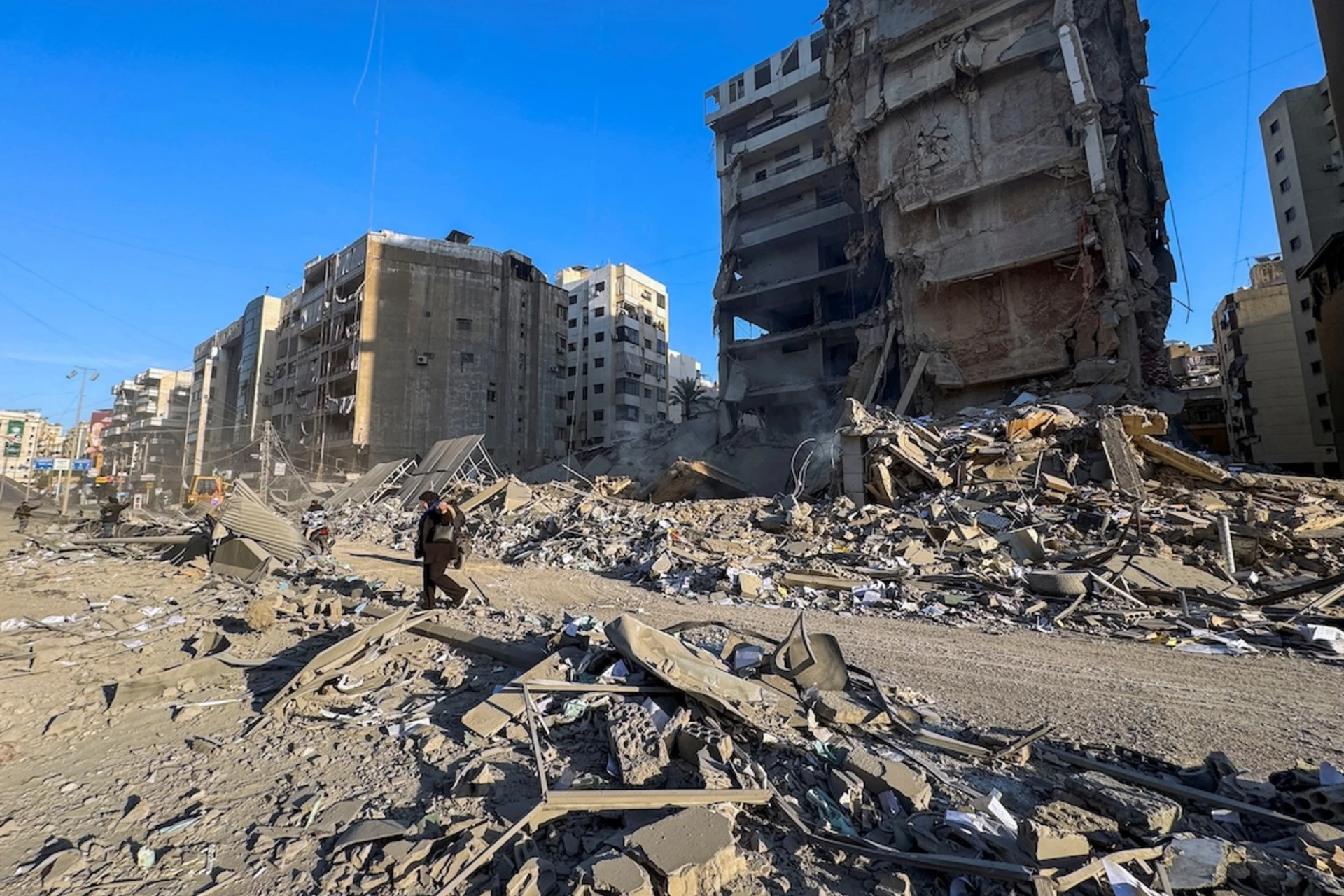
The growing cycle of attacks has resulted in rising civilian casualties and widespread destruction, particularly in Lebanon, where thousands have reportedly been killed or displaced in recent weeks.
Diplomatic Efforts Stall
The latest strikes come just ahead of a United Nations Security Council meeting expected to address the escalating violence and attacks on infrastructure in Iran.
However, prospects for de-escalation appear slim. Diplomatic talks between Iran and the United States remain at a standstill, with both sides showing little willingness to compromise. Analysts warn that without a breakthrough, the conflict could expand further across the region.
Growing Fears of Wider War
With attacks intensifying on multiple fronts, concerns are mounting that the conflict could spiral into a broader regional war. The involvement of Hezbollah, ongoing missile exchanges, and rising civilian casualties have all contributed to a rapidly deteriorating situation.
As world leaders prepare to convene at the United Nations, the question remains whether diplomacy can catch up with the pace of military escalation—or if the region is heading toward an even more dangerous phase.