






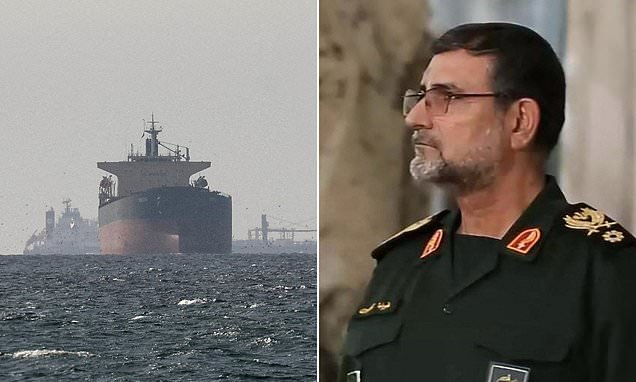
In a significant escalation of tensions in West Asia, Iran’s top naval commander, Alireza Tangsiri, has reportedly been killed in a strike attributed to Israel, according to multiple media reports.
The commander, who led the naval wing of Iran’s elite Islamic Revolutionary Guard Corps (IRGC), was said to have been overseeing operations related to the ongoing blockade of the strategically crucial Strait of Hormuz. The strike reportedly took place in the southern Iranian port city of Bandar Abbas, a key naval hub.
A Major Blow — If Confirmed
Israeli officials have claimed responsibility for the attack, describing Tangsiri as a central figure behind Iran’s efforts to restrict maritime traffic through the Hormuz Strait. However, as of now, neither Iran nor the Israeli military has officially confirmed the strike.
If verified, Tangsiri’s death would mark one of the most high-profile assassinations in the ongoing conflict, now entering its fourth week.
Tangsiri, who had served as commander since 2018, was widely regarded as a hardline strategist and a key architect of Iran’s naval doctrine in the Persian Gulf. He had previously survived multiple alleged assassination attempts and remained one of the most influential figures in Iran’s military leadership.
Central Role in Hormuz Crisis
The Strait of Hormuz, through which nearly one-fifth of the world’s oil supply passes, has become a flashpoint in the current conflict.
Under Tangsiri’s leadership, Iran imposed restrictions on shipping through the waterway, targeting vessels believed to be linked to the United States and Israel. This move triggered a global energy shock, with oil prices surging and shipping traffic sharply declining.
The blockade has disrupted international trade and raised fears of a prolonged supply crisis, making the strait one of the most strategically sensitive locations in the world.
War Context and Strategic Implications
The reported killing comes amid intensified Israeli operations targeting Iranian military infrastructure. Israeli Prime Minister Benjamin Netanyahu has reportedly ordered increased strikes on Iranian targets ahead of potential ceasefire discussions.
Analysts say that while Tangsiri’s death could deal a symbolic and operational blow to Iran, the country’s military command structure is layered, meaning immediate strategic shifts may be limited.
Still, the development could have wider implications for the ongoing Hormuz crisis. Some observers believe it may weaken Iran’s ability to enforce the blockade, potentially easing pressure on global energy markets. Others warn it could provoke further retaliation, deepening the conflict.
Uncertainty Remains
For now, key questions remain unanswered. Iran has yet to respond publicly, and independent verification of the strike is still pending.
As tensions continue to rise, the situation in the Gulf region remains highly volatile, with global economic and geopolitical consequences hanging in the balance.