



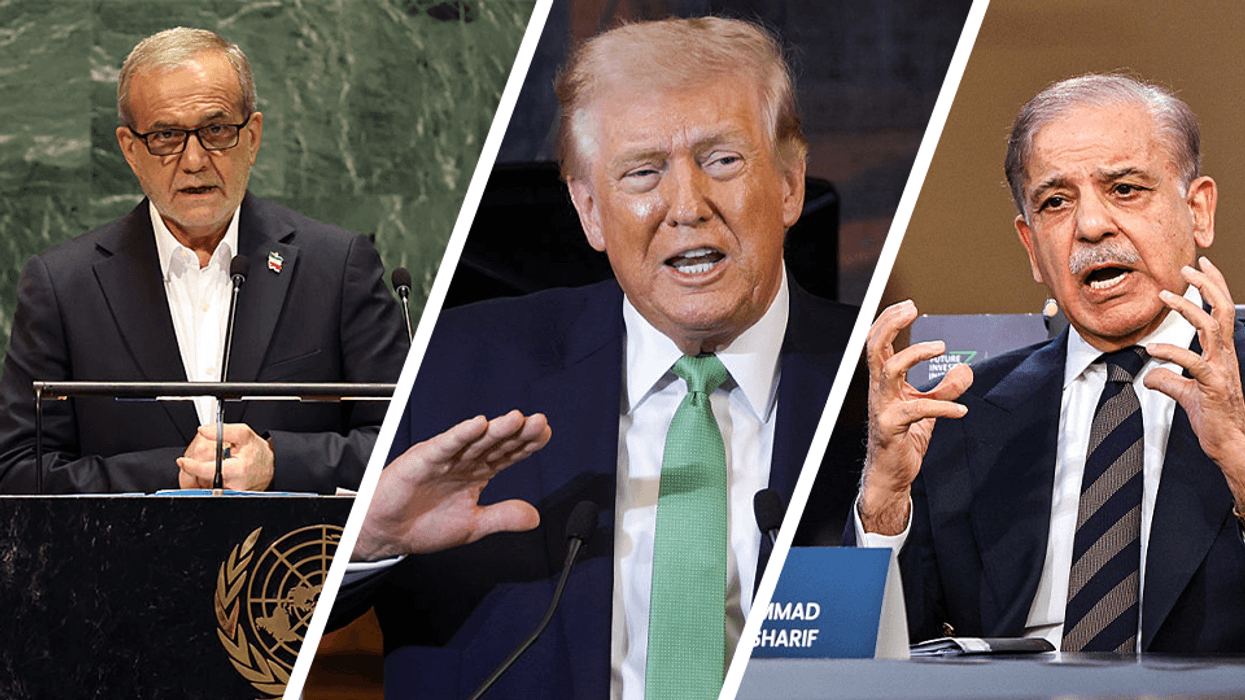
Pakistan is stepping into a high-stakes diplomatic role, offering to host peace talks between the United States and Iran as tensions in the Middle East continue to escalate.
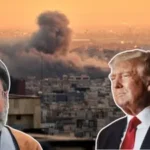
According to officials familiar with the matter, Islamabad has quietly begun efforts to bring both sides to the negotiating table. The move comes amid ongoing conflict involving the US and Iran, which has raised global concerns over regional stability and energy security.
At the center of this initiative is Pakistan’s army chief, Field Marshal Asim Munir, who recently held discussions with former US President Donald Trump. These talks are seen as part of a broader attempt to explore possible pathways toward de-escalation.
Islamabad as a संभावित venue
Pakistan is positioning its capital, Islamabad, as a neutral ground where US and Iranian representatives could meet. While no formal negotiations have been confirmed yet, diplomatic signals suggest that backchannel communications are already underway.
Reports indicate that Pakistan’s leadership has reached out to both Washington and Tehran, presenting itself as a credible intermediary due to its working relationships with both sides. The country shares a border with Iran and has historically maintained ties with the US, giving it a unique strategic advantage.
A delicate balancing act
Islamabad’s mediation efforts come at a time when the conflict has intensified, with ongoing military actions and rising geopolitical tensions. Countries across the region—including Turkey and Egypt—have also expressed willingness to help broker peace, but Pakistan appears to be taking a more proactive lead.
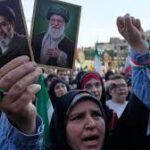
However, the situation remains fragile. Iranian officials have publicly denied that any direct talks with the US are currently taking place, and there is skepticism in Tehran about Washington’s intentions.
Strategic motivations
Pakistan’s push to mediate is not just about diplomacy—it also reflects its own national interests. The ongoing conflict has already disrupted energy supplies and sparked domestic unrest, making stability in the region a top priority for Islamabad.
By stepping into the role of peace broker, Pakistan also has an opportunity to elevate its global diplomatic standing, similar to its historic involvement in facilitating US-China rapprochement decades ago.
What comes next?
While there is no confirmation yet that formal talks will take place in Islamabad, momentum for diplomatic engagement appears to be building. The coming days will be crucial in determining whether Pakistan’s efforts can translate into meaningful dialogue—or whether mistrust between the US and Iran will continue to stall progress.
For now, Islamabad’s offer signals a renewed push for diplomacy in a conflict that has already had far-reaching consequences beyond the Middle East.