



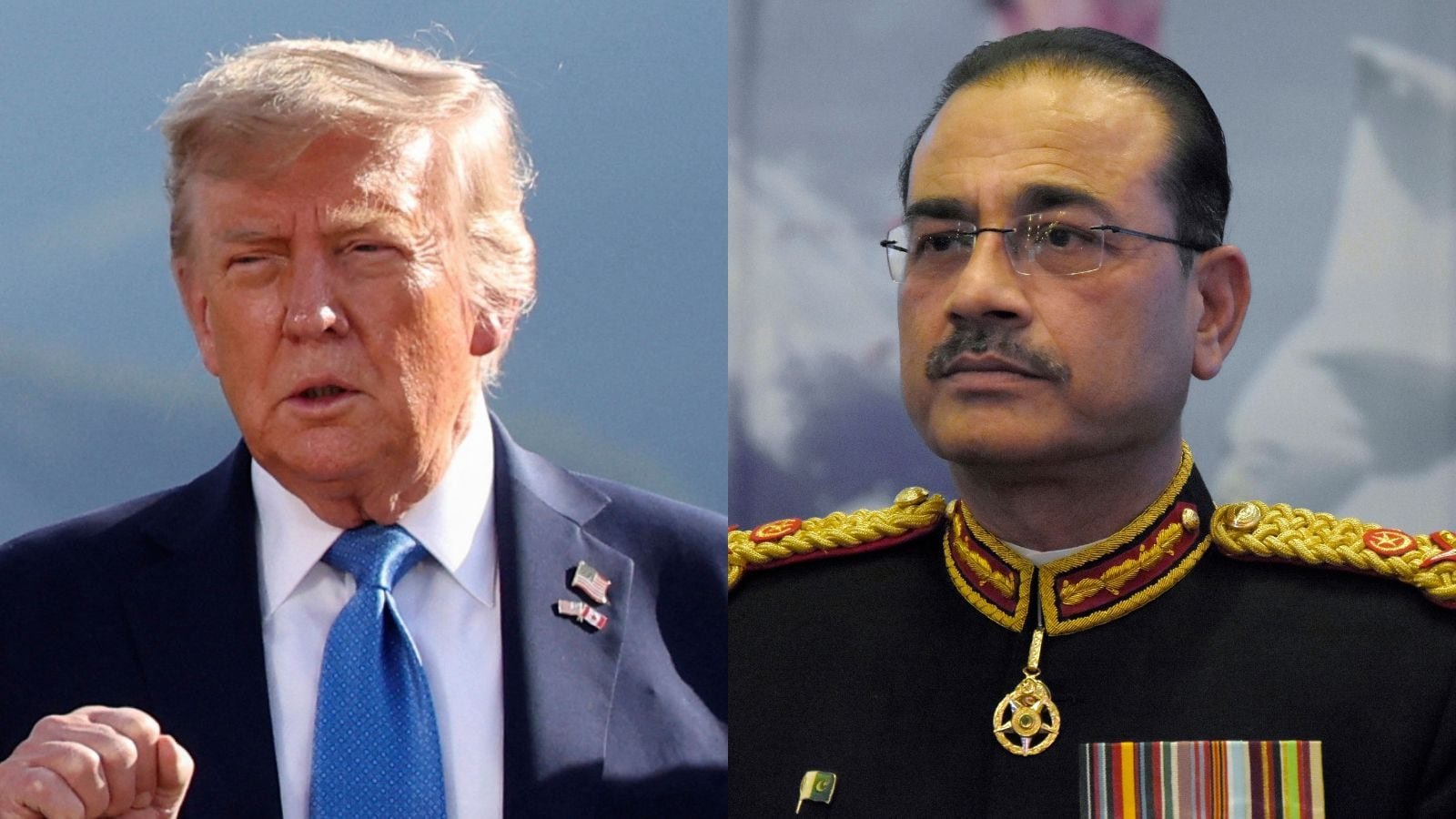
Pakistan is making a fresh diplomatic push to position itself as a key mediator in the escalating conflict involving the United States, Israel, and Iran, with a recent high-level conversation between Pakistan Army Chief General Asim Munir and former U.S. President Donald Trump drawing global attention.
According to recent reports, Munir spoke directly with Trump as Islamabad attempts to project itself as a “lead mediator” capable of brokering peace in the ongoing crisis. The outreach comes at a time when tensions in West Asia have intensified following weeks of military escalation, raising fears of a wider regional war.
Pakistan’s diplomatic balancing act
Pakistan’s leadership appears to be walking a tightrope. On one hand, it has maintained close ties with Washington; on the other, it shares a long border and complex relationship with Iran. This dual positioning has allowed Islamabad to present itself as a neutral intermediary.
Reports suggest that senior Pakistani officials have been quietly facilitating back-channel communication between U.S. representatives and Iranian interlocutors. Islamabad has even floated the idea of hosting potential talks, possibly in its capital, as part of efforts to reduce hostilities.
At the political level, Prime Minister Shehbaz Sharif has also engaged with Iranian leadership, emphasizing the need for dialogue and regional stability. These parallel diplomatic channels underline Pakistan’s ambition to play a more prominent role on the global stage.
Uncertainty and skepticism
Despite these efforts, Pakistan’s mediation bid faces significant challenges. One major hurdle is the lack of clarity around the very existence of negotiations. While Trump has indicated that discussions with Iran may be underway, Tehran has repeatedly denied any direct talks with the United States.
This contradiction has cast doubt on the credibility of ongoing diplomatic claims and, by extension, Pakistan’s role in facilitating them. Analysts note that if one of the principal parties rejects the premise of negotiations, Islamabad’s position as a mediator becomes difficult to sustain.
Further complicating matters, the White House has stated that there is no confirmed information about formal talks taking place in Pakistan, even as speculation about possible meetings continues to circulate.
A wider geopolitical context
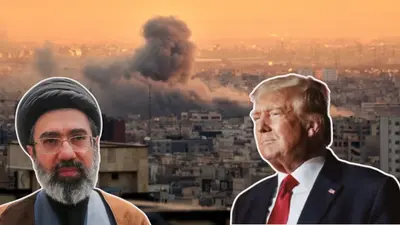
Pakistan’s outreach is unfolding against the backdrop of a rapidly evolving conflict that has already drawn in multiple regional and global players. Countries such as Turkey, Qatar, and Egypt are also reported to be involved in indirect diplomatic efforts aimed at de-escalation.
For Islamabad, the stakes are particularly high. The country faces economic pressures and security concerns linked to instability in the Middle East, including disruptions to energy supplies and trade routes. By stepping forward as a mediator, Pakistan may be seeking not only to promote peace but also to strengthen its international standing.
The road ahead
Whether Pakistan can successfully carve out a meaningful mediating role remains uncertain. Much will depend on the willingness of the United States and Iran to engage in genuine dialogue—something that, for now, appears far from assured.
Still, the direct engagement between Asim Munir and Donald Trump signals that Islamabad is actively trying to insert itself into one of the most critical geopolitical crises of the moment. Even if the outcome remains unclear, Pakistan’s diplomatic gamble underscores its desire to be seen as a key player in shaping regional stability.