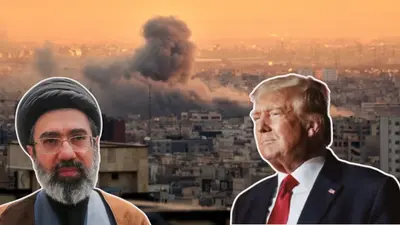




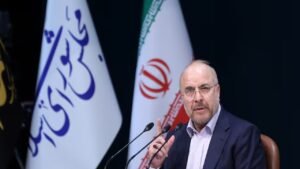
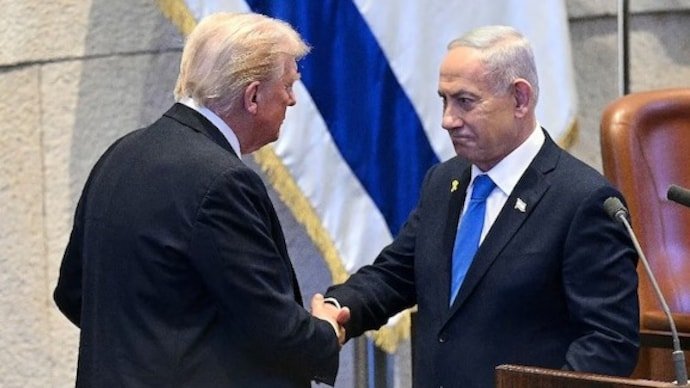
A dramatic last-minute intervention by Israeli Prime Minister Benjamin Netanyahu played a crucial role in shaping U.S. President Donald Trump’s decision to launch a high-risk military strike targeting Iran’s top leadership, according to multiple reports citing intelligence sources.
Less than 48 hours before the operation, Netanyahu reportedly made a direct appeal to Trump, urging him to act swiftly on what he described as a rare and fleeting intelligence opportunity. The intelligence suggested that Iran’s Supreme Leader Ayatollah Ali Khamenei and several senior officials were expected to gather at a single location—creating what officials called a potential “decapitation strike” scenario.
A Critical Phone Call
At the time of the call, the Trump administration had already approved military action against Iran in principle, but key decisions regarding timing and scope were still under deliberation. Netanyahu’s intervention is now seen as a decisive moment that helped tip the balance.
Framing the situation as a historic opportunity, the Israeli leader reportedly argued that such a chance to strike Iran’s leadership might not come again. He emphasized both the strategic and symbolic impact of eliminating Tehran’s top command structure, including potential retaliation for alleged Iranian plots targeting U.S. officials in the past.
Sources indicate that newly updated intelligence—particularly the rescheduling of a high-level meeting among Iranian leaders—added urgency to Netanyahu’s argument, reinforcing the narrow window for action.
From Planning to Execution
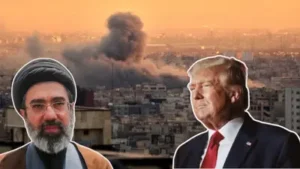
Following the call, the operation moved rapidly from planning to execution. On February 28, U.S. and Israeli forces launched coordinated strikes on Iranian targets, including locations believed to house senior leadership figures.
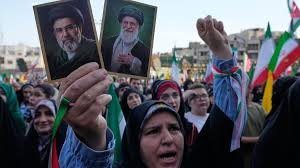
Subsequent reports indicated that Ayatollah Khamenei was killed in the attack, marking one of the most significant geopolitical developments in the region in decades.
While the White House has maintained that the decision ultimately rested with Trump, officials acknowledge that Netanyahu’s arguments, combined with intelligence assessments, played a key role in finalizing the timing of the strike.
Escalation and Global Fallout
The strike has since triggered a wave of retaliation and escalating conflict across the Middle East. Iran has launched counterattacks targeting U.S. and allied interests, while global energy markets have been disrupted due to instability in key oil transit routes.
Strategic Goals and Uncertain Outcomes
Both Washington and Tel Aviv initially framed the strikes as a move to weaken Iran’s military capabilities and prevent its nuclear ambitions. However, analysts suggest the operation may also have been aimed at triggering broader political change within Iran.
Despite the scale of the attack, early expectations of immediate regime destabilization have not materialized. Instead, Iran’s leadership structure has quickly reorganized, and the conflict shows signs of becoming a prolonged and complex confrontation.
A Defining Moment
The phone call between Netanyahu and Trump is now being viewed as a defining moment in the lead-up to the strike—highlighting how intelligence, timing, and political persuasion can converge to shape major global events.
As tensions continue and diplomatic efforts struggle to gain traction, the long-term consequences of that decision are still unfolding, with implications not only for the Middle East but for global security and economic stability.