
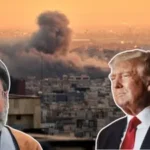

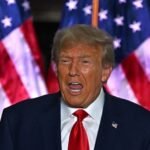

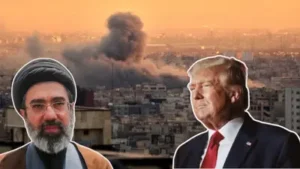
A fresh wave of tensions in the ongoing US-Iran conflict has taken an unusual turn, with Iranian state media openly mocking US President Donald Trump after he announced a temporary halt to planned strikes on Iran’s energy infrastructure.
The decision, which involves a five-day suspension of attacks on Iranian power plants, was presented by Washington as a diplomatic window to encourage talks and ease tensions. However, the response from Tehran has been anything but receptive.
Tehran Sees “Weakness,” Not Diplomacy
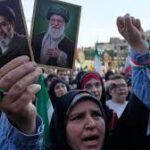
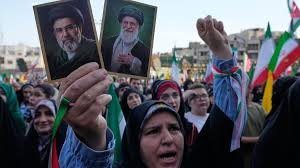
Iran’s state-aligned outlets quickly framed the move as a sign of hesitation rather than goodwill. According to reports, broadcasters and officials described the pause as evidence that the United States was backing down under pressure.
Iranian media claimed that credible military threats from Tehran, combined with rising economic strain on Western countries, forced the US to reconsider its aggressive stance.
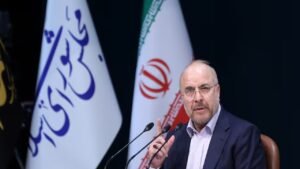
In particular, Press TV cited a senior security official who dismissed the idea of ongoing negotiations, calling such claims “psychological warfare” and insisting that Iran would not be pressured into concessions.
Conflicting Narratives on Talks
The situation is further complicated by sharply conflicting claims from both sides.
President Trump has repeatedly suggested that discussions with Iranian representatives are underway, even stating that the US is engaging with “multiple leaders” in Iran to reach a potential deal.
Iran, however, has firmly denied any such talks. Officials in Tehran have maintained that no direct or indirect negotiations are taking place, accusing Washington of spreading misinformation to gain strategic advantage.
This disconnect has fueled confusion globally, especially as the war continues to intensify on the ground.
War Continues Despite Pause
Despite the temporary halt on energy-related strikes, the broader conflict shows no signs of slowing down.
The war, now entering its fourth week, began after joint US-Israeli strikes targeted Iranian leadership and infrastructure. Since then, both sides have exchanged threats and attacks, with Iran launching missile strikes and warning of wider regional consequences.
Meanwhile, tensions around the Strait of Hormuz, a critical global oil route, remain high. Iran has effectively restricted access to the passage, raising fears of a global energy crisis and adding pressure on international markets.
Strategic Pause or Tactical Move?
Analysts suggest that the US decision to delay strikes could be a tactical move rather than a genuine step toward peace.
While Washington portrays the pause as part of a diplomatic effort, Tehran views it as an attempt to regroup militarily and manage global perception.
Recent developments indicate that military operations are still ongoing in other areas, even as energy infrastructure is temporarily spared.
Global Stakes Rise
The escalating conflict has already begun to impact global markets, with oil prices fluctuating and geopolitical tensions rising across the Middle East.
At the same time, uncertainty over whether diplomacy is truly on the table continues to cloud the path forward.
For now, the war of narratives—between claims of negotiations and outright denial—appears just as intense as the conflict on the battlefield.