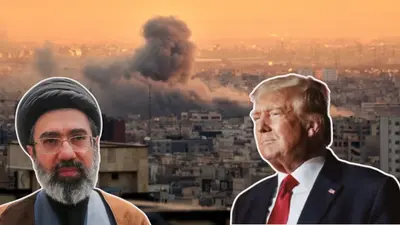

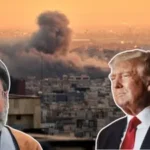


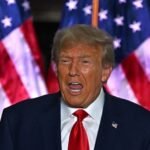
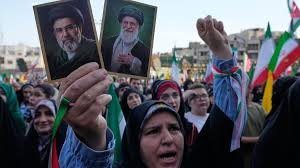

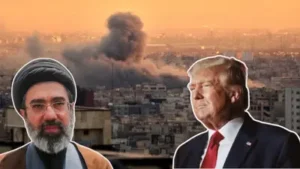
Tensions between the United States and Iran have escalated further after Tehran strongly rejected claims made by former U.S. President Donald Trump about ongoing negotiations between the two countries. Iranian officials have dismissed the remarks as “fake news,” accusing Washington of attempting to influence global oil prices and shape market sentiment.
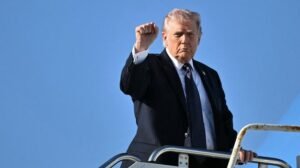
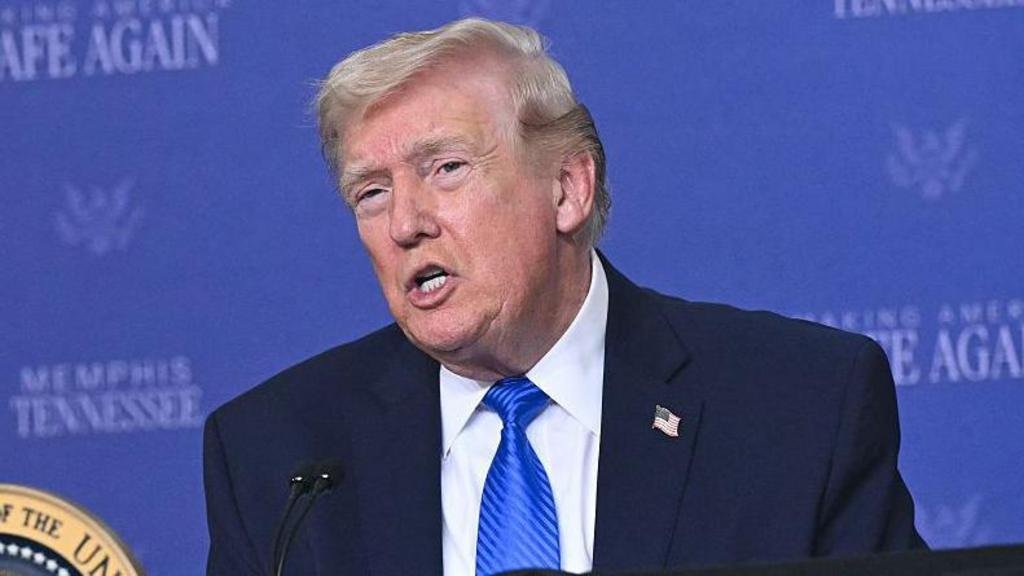
The controversy began when Trump publicly stated that the U.S. had held “productive” and “very good” talks with Iran, suggesting that diplomatic progress was underway and hinting at a possible resolution to the ongoing conflict. His comments also coincided with a temporary pause in planned U.S. military strikes on Iranian energy infrastructure, a move that briefly eased global market concerns.
However, Iran’s leadership quickly pushed back.
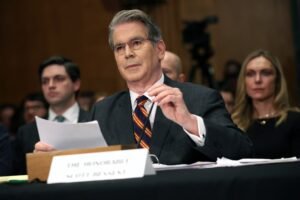
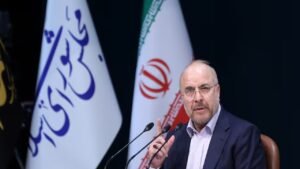
Iranian Parliament Speaker Mohammad Bagher Ghalibaf categorically denied that any negotiations had taken place. He stated that such claims were deliberately misleading and intended to manipulate financial and oil markets at a time of heightened volatility.
Conflicting Narratives Deepen Uncertainty
The sharp contradiction between Washington and Tehran has added another layer of uncertainty to an already volatile geopolitical situation. While Trump portrayed the situation as a sign of diplomatic progress, Iranian officials insist that no direct talks have occurred and accuse the U.S. of engaging in “psychological warfare.”
Reports indicate that while indirect communication through mediators such as Turkey, Egypt, and Pakistan may be taking place, there are no confirmed formal negotiations between the two sides.
This divergence in narratives has left analysts and global observers questioning the true state of U.S.-Iran relations.
Oil Markets React to Mixed Signals
The impact of these conflicting statements has been immediate in global financial markets—especially in the energy sector.
Following Trump’s announcement of a pause in military action and claims of progress in talks, oil prices dropped sharply, reflecting hopes of de-escalation. However, Iran’s denial quickly reversed optimism, contributing to renewed volatility.
Experts say such mixed messaging can significantly influence oil prices, particularly during times of geopolitical tension. With the Strait of Hormuz—a critical route for global oil shipments—already affected by the conflict, even minor shifts in perception can lead to major market swings.
Iranian officials argue that this is precisely the intent behind the U.S. statements.
A Broader Strategic Context
The dispute comes amid an ongoing and intensifying conflict that began earlier in 2026, involving U.S. and allied strikes on Iranian targets and retaliatory actions by Tehran. The situation has already disrupted energy supplies and raised concerns about a prolonged regional crisis.
Trump has suggested that negotiations could lead to a broader agreement and potentially bring an end to hostilities. However, Tehran remains firm in its position that no such talks are taking place and warns against what it sees as misinformation aimed at gaining strategic and economic advantage.
Analysts believe both sides may be using public statements as tools of influence—targeting not only each other but also global markets and international opinion.
What Lies Ahead
With tensions still high and no confirmed diplomatic breakthrough, the situation remains fluid. The gap between U.S. claims and Iranian denials continues to fuel uncertainty, making it difficult to assess whether genuine negotiations are underway or if both sides are engaged in strategic messaging.
For now, global markets—and much of the world—are left watching closely, as rhetoric and reality appear to be moving in different directions.