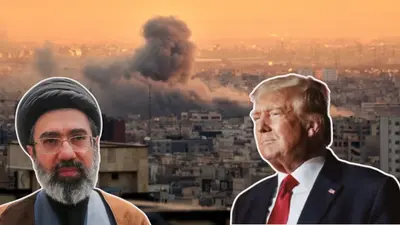






The ongoing conflict between the United States and Iran shows no clear signs of ending anytime soon, with senior officials in Washington indicating both strategic resolve and financial readiness to sustain a prolonged military campaign.
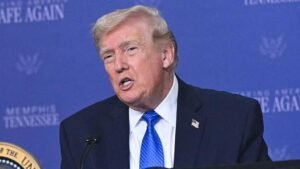
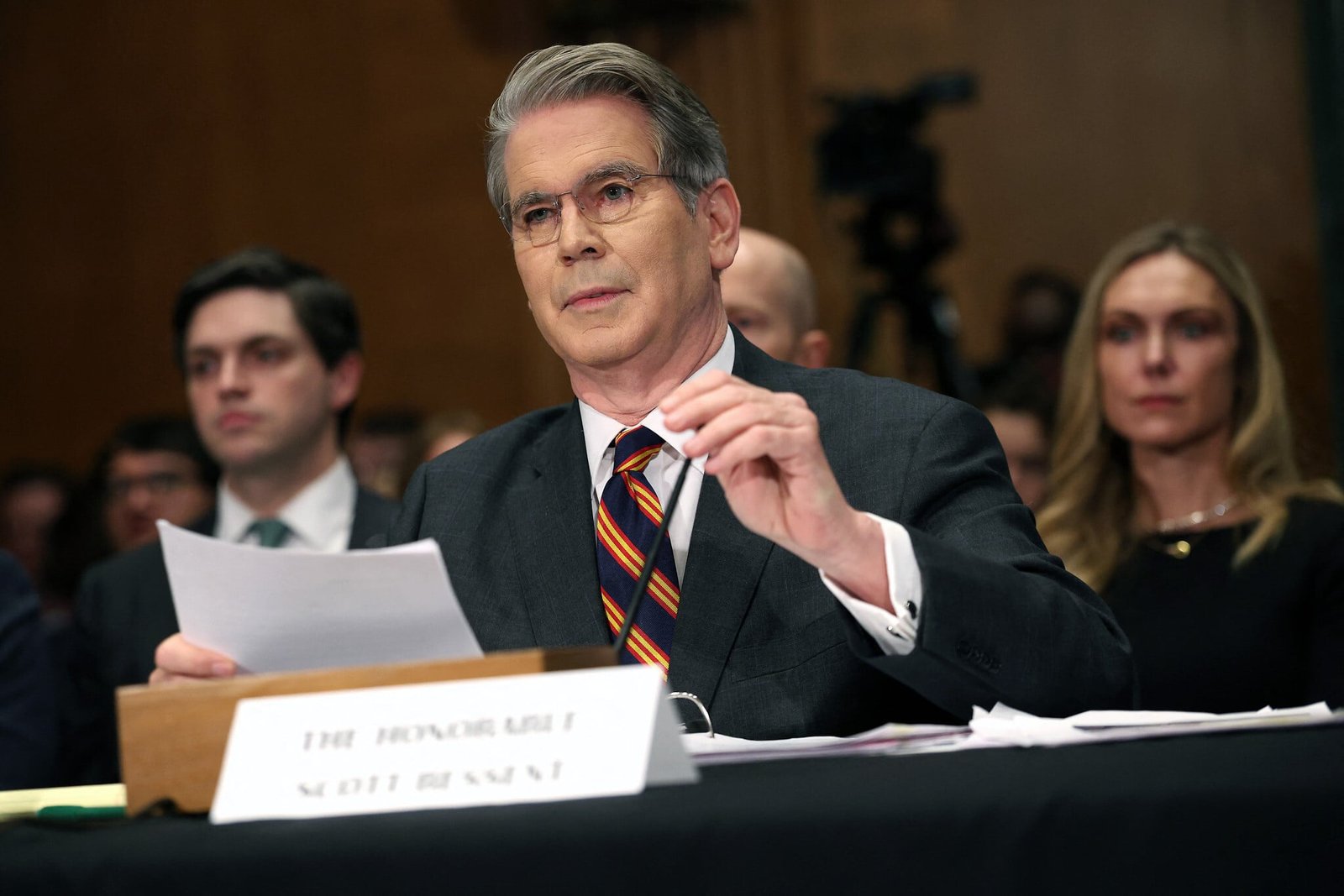
US Treasury Secretary Scott Bessent said in a recent interview that the United States has “plenty of money” to continue funding the war effort, even as the administration prepares to seek additional support from Congress.
Speaking on NBC’s Meet the Press, Bessent emphasized that current military operations are already financially covered, describing any future funding requests as supplemental rather than urgent. He also made it clear that the government is not considering raising taxes to pay for the conflict.
War Likely to Continue
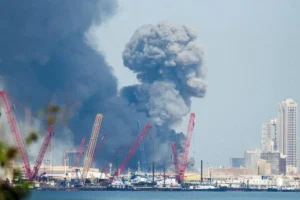
Bessent’s remarks come at a time when the conflict has entered a critical phase, with escalating attacks, rising casualties, and growing geopolitical tension across the Middle East. Analysts say the financial assurance from Washington suggests the administration is preparing for a longer engagement rather than a quick resolution.
Recent reports indicate that the US military has already spent billions within the first weeks of fighting, with additional funding—potentially as high as $200 billion—being discussed to support ongoing and future operations.
Defense officials have echoed this stance, warning that sustained funding will be necessary not just for current missions but also for potential escalation if the conflict widens.
Strategy and Uncertainty
At the same time, the US approach appears to combine military pressure with strategic signaling. Officials have hinted at an “escalate to de-escalate” strategy, suggesting that intensified action could ultimately force Iran toward negotiations.
However, the situation on the ground tells a more complex story. Iran has remained defiant despite heavy losses, refusing ceasefire proposals and continuing retaliatory actions across the region.
This has raised concerns among global observers that the conflict could drag on, increasing instability in energy markets and heightening risks for neighboring countries.
Political and Economic Pressure
Back in Washington, the prospect of extended military engagement is already fueling political debate. While some lawmakers support additional defense funding, others are questioning the scale of spending, especially after recent record military budgets.
The war is also having broader economic consequences. Disruptions in oil supply routes—particularly around the Strait of Hormuz—have driven up global energy prices, adding pressure to already fragile economic conditions.
No Quick End in Sight
Despite these challenges, the US administration remains firm in its position. Bessent’s comments underline a key message: the United States is financially prepared for a prolonged conflict, even as diplomatic solutions remain uncertain.
With both sides showing little willingness to back down, the war risks becoming not just a test of military strength, but also one of endurance—economic, political, and strategic.