










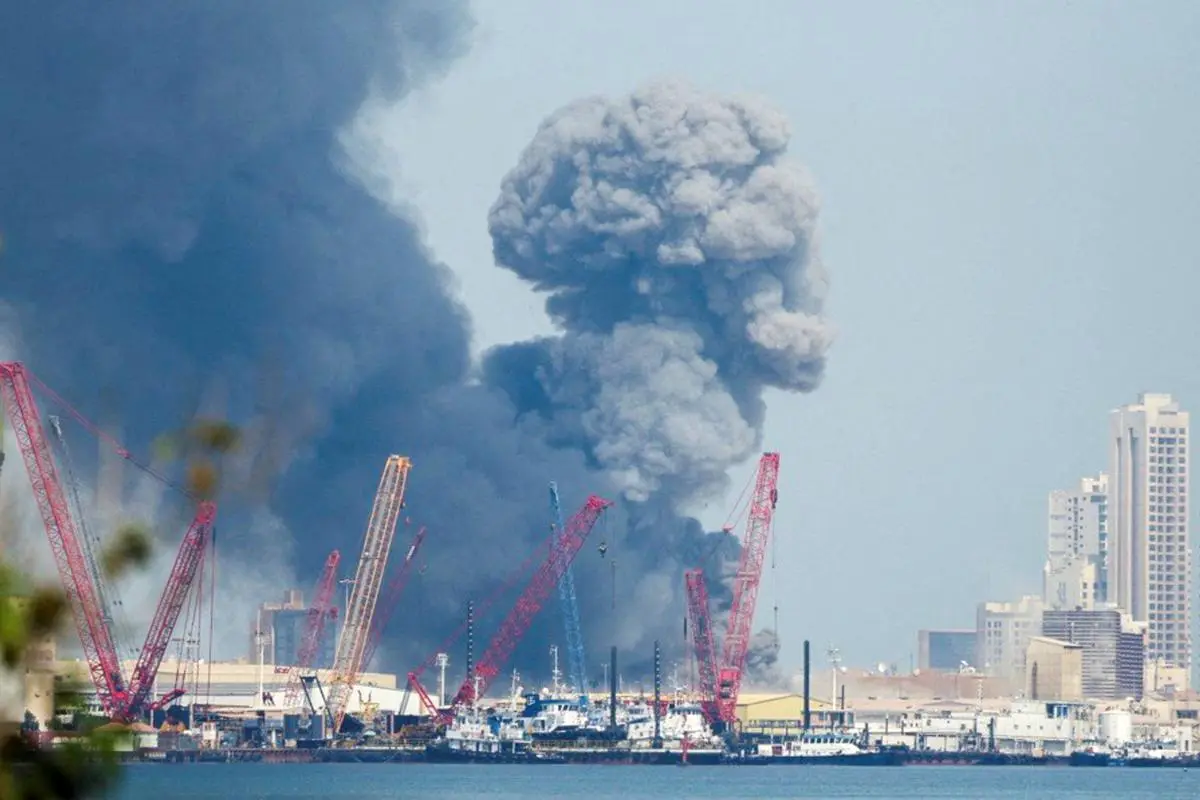
A powerful explosion that tore through a residential neighborhood in Bahrain earlier this month may have been caused by a US-operated air defense missile, according to a new independent analysis that raises fresh questions about the incident.
The blast occurred on March 9 in the Mahazza area on Sitra island, injuring at least 32 civilians, including children, and damaging several homes. At the time, both Bahrain and the United States attributed the explosion to an Iranian drone strike amid escalating tensions in the region. However, emerging evidence now suggests a more complex story.
What the new analysis found
Researchers from the Middlebury Institute of International Studies examined satellite imagery, open-source videos, and damage patterns from the scene. Their findings indicate—with moderate to high confidence—that a Patriot interceptor missile was likely launched from a US-operated battery located near Riffa, just a few kilometres from the blast site.
Footage reviewed by analysts shows a missile flying at low altitude before a sudden flash in the sky, consistent with a mid-air detonation. The resulting explosion appears to have caused widespread debris and structural damage across nearby streets.
Experts believe there are two possible scenarios: either the missile successfully intercepted a drone mid-air, triggering a large explosion, or the interceptor itself malfunctioned and detonated before reaching its target. So far, no conclusive public evidence has been presented to confirm the presence of an Iranian drone at the time of the incident.
Official responses remain cautious
Bahraini authorities have acknowledged that a Patriot missile was involved but maintain that it intercepted an incoming drone and prevented a more serious attack. Officials insist that neither the missile nor the drone directly struck the ground, suggesting the damage resulted from an aerial explosion.
The United States has not directly confirmed whether its forces fired the missile. While US officials reiterated that their military “never targets civilians,” they declined to address specific questions about the incident.
A broader concern in modern warfare
The incident highlights growing concerns about the use of advanced air defense systems like the Patriot missile in densely populated areas. Designed to intercept aerial threats, these systems carry powerful warheads that can still cause significant destruction—even when functioning as intended.
Military analysts say the Bahrain blast underscores a key challenge in modern conflicts: defending against low-cost drones using high-cost, high-impact missile systems. Even successful interceptions can produce dangerous fallout for civilians on the ground.
Questions still unanswered
Despite the new findings, several critical questions remain unresolved. It is still unclear whether a drone was actually present, what exactly triggered the explosion, and who ultimately bears responsibility for the damage caused.
As tensions continue to rise in the wider Middle East conflict, the Bahrain incident is likely to fuel further scrutiny over military accountability and the risks posed to civilians caught in the crossfire.